
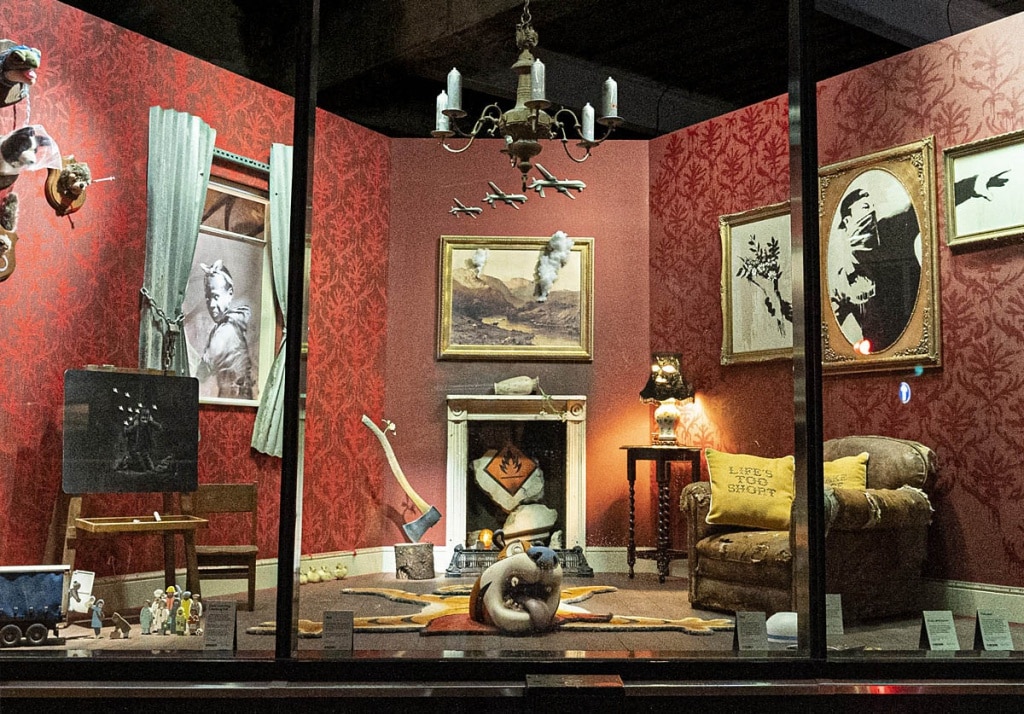
Banksy, British underground street-art artist, announced the launch of his line of products.
For sale will be handmade items, the cost of which will start at £ 10.
Banksy’s initiative is a response to the actions of one of the British companies, trying to make money on sales on behalf of the artist
.
Banksy is preparing to open a pop-up shop in Croydon, London, to present a collection of their products for sale online officially. According to the artist, he was forced to produce his products after receiving a lawsuit from a company whose name is not disclosed.
“The company producing greeting cards is trying to confiscate the legal right to Banksy’s name from the artist, who was advised the best way to prevent it is to sell his range of branded goods,” the report says.
According to the artist’s lawyer Mark Stevens, Banksy found himself in a difficult situation: “Since he does not produce goods himself and does not use his trademark, the law allows you to pass it on to the person who does it.
Banksy’s showroom will serve only as a demonstration of goods, while all sales will be conducted through a specially created website grossdomesticproduct.com. It was reported by the artist on his Instagram, accompanied by a photo of the showcases of the future space. Installation near the pop-up shop is a series of exhibitions, which presents a lot of works of art, created by Banksy, including a vest, in which the British hip-hop musician Stormzy performed at the festival Glastonbury 2019.
Many of the items that will go on sale were made specifically for the online store. According to a traditional statement, the number of goods will be limited, and all things will be made in the UK, including from recycled materials.
Bluewater opens its first new anchor since 1999. Next takes the former House of Fraser space with about 132,000 square…
Opening in IMAX 70mm on July 17, 2026: Christopher Nolan's The Odyssey. Select shows went on sale one year in…
European retail is scaling AI, agentic commerce and retail media, but consumer trust is becoming the constraint. Four structural shifts…
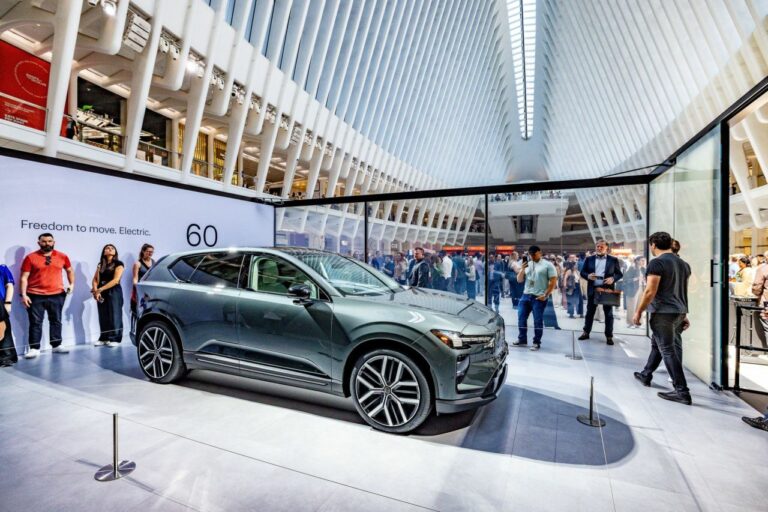
Mall operators are no longer leasing space for pop-ups. They are selling audience access.
Physical stores still drive most retail sales, fulfill online orders, support AI shopping, and help brands return to market.
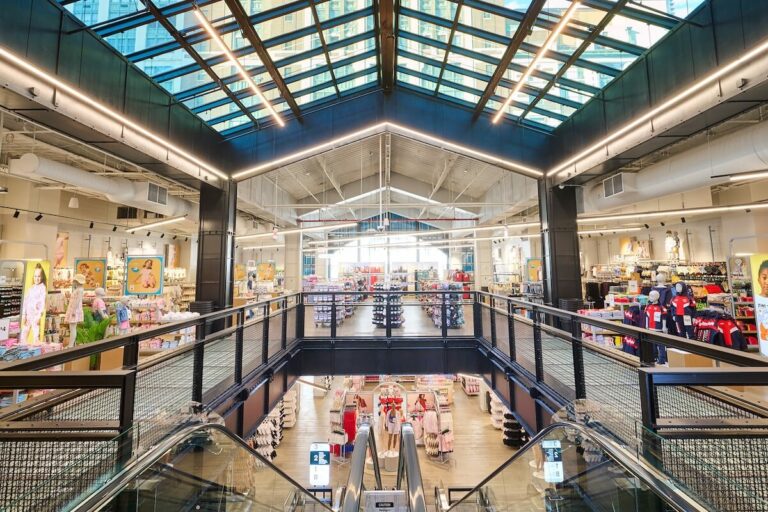
A practical guide to nine mall tenant formats in 2026, from flagships and pop-ups to anchor redevelopment and mixed-use retail.
Verified signals on brand expansion, store openings, and mall development. Free.
Free · No credit card · Unsubscribe any time
