

The American brand plans to open several flagship stores around the world in 2021.
American shoe manufacturer UGG has announced the opening of its first flagship store in New York. The store is located on 5th Avenue next to Vans, and other flagship stores from world-famous brands surround it.
Based in Southern California, the company announced that in 2021 it plans to open several flagship stores around the world. The brand continues to invest in retail development and expansion, while most players optimize costs and go online. It has recently been reported that 16 major Nordstrom stores have been closed. More than 1,000 Ann Taylor stores have been reduced, and the flagship Gap store in San Francisco has been closed.
#SHOWGALLERY#
At the same time, NPD Group analysts note that consumers are returning in search of products that make them feel relaxed. Nearly a third of clothing spending in the U.S. in the run-up to the New Year’s season is expected to be on hoodies, sports pants, pajamas, and socks.
Experts note that UGG is successfully using the moment. The brand launched a new seasonal ready-to-wear collection this autumn, which included casual clothing made of soft fabrics, including sherpa, fake fur, and fleece. The company also announced a partnership with the design brand Telfar, scheduled to start in 2021. As of the fourth quarter of 2020, UGG operates 130 concept stores with locations in major cities worldwide.
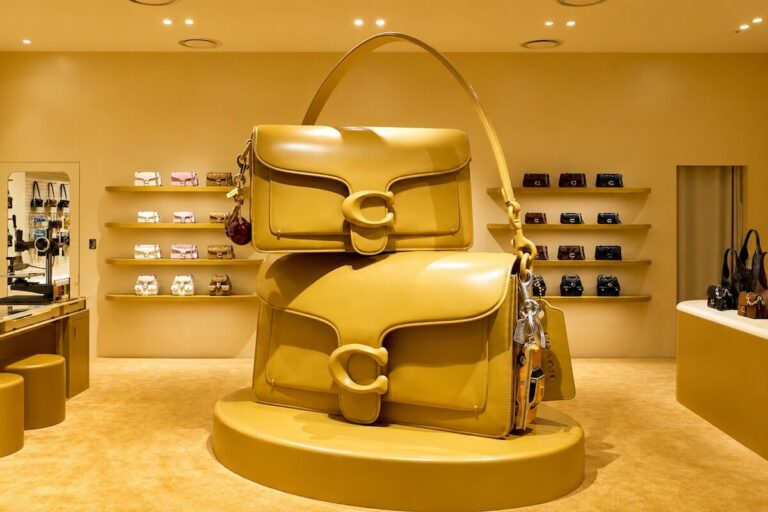
Gross margins and selected profit metrics for Coach, Pop Mart, lululemon, Miniso, Five Below, TJX and Costco, plus where each…
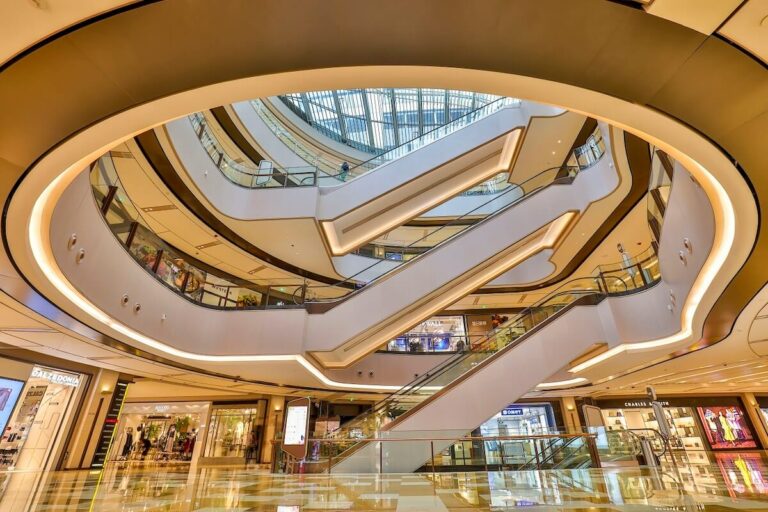
NikeSKIMS, Birkenstock and Starbucks Reserve chose HKRI Taikoo Hui for major China debuts. Why the Shanghai complex keeps winning new…
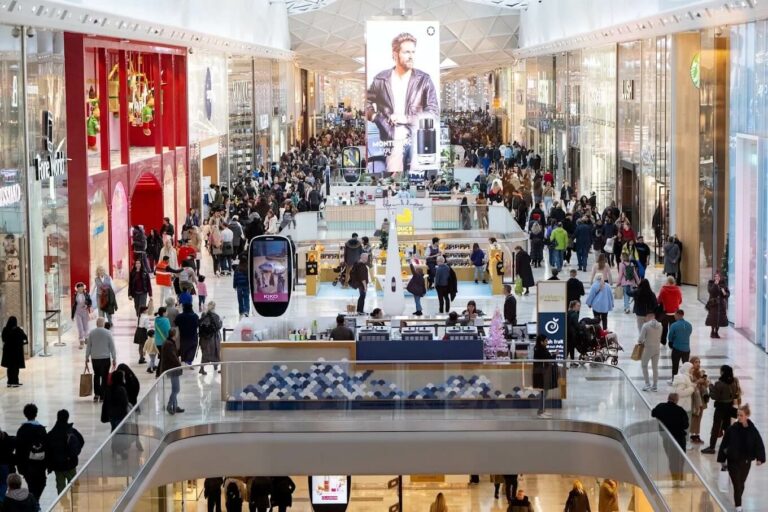
Bluewater opens its first new anchor since 1999. Next takes the former House of Fraser space with about 132,000 square…
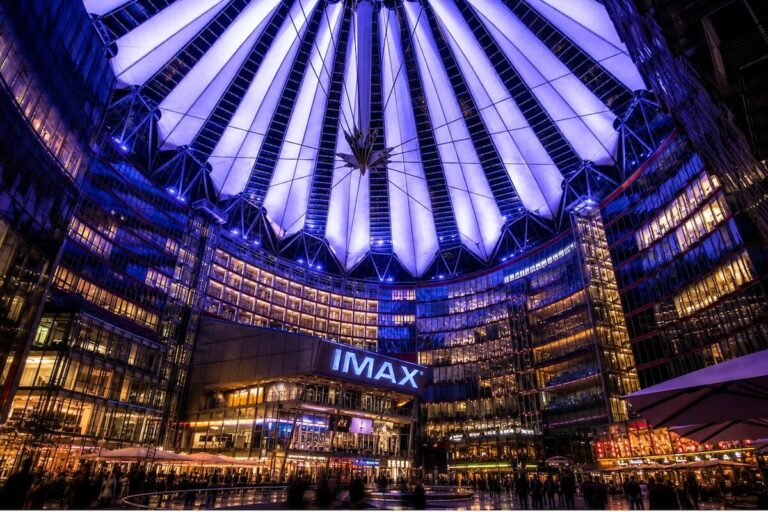
Opening in IMAX 70mm on July 17, 2026: Christopher Nolan's The Odyssey. Select shows went on sale one year in…

European retail is scaling AI, agentic commerce and retail media, but consumer trust is becoming the constraint. Four structural shifts…
Mall operators are no longer leasing space for pop-ups. They are selling audience access.
