Food and beverage retailers have become an increasingly core part of the modern shopping center.
Research from ICSC in connection with JLL found that the right line-up of F&B had a “halo effect” – shopper traffic grew, customers spent more time in the center, and overall sales grew.
The global retail and leisure landscape is experiencing significant change–lasting and structural, driven by macro demographic trends, technological advancements and ever- evolving consumer expectations. The combination of these trends and expectations is having a huge impact on both the retail and foodservice sectors globally, regarding consumer spending patterns and space allocation. Across most countries, consumer spending on foodservice has been outpacing grocery spending (and indeed all retail spending) in recent years. Moreover, as spend shifts from transactional to experiential food offers, food, and beverage (F&B) is growing in importance to retail real estate. In some regions of the U.K., Canada, and U.S., the amount of space in properties assigned to F&B is forecast to reach up to 20% or more of total area by 2025 (and it could exceed 30% in Asia). Realized correctly, food service drives shopper traffic, dwell time, spend and overall sales increase—the “halo effect.” To be sure, more restaurants and bars do not indeed equate to success for shopping centers, as this massive extension in space allocation appears with opportunities (e.g., increased shopper traffic and sales) but also risks (e.g., oversupply). But overall, F&B can now act as an anchor.
This paper explores the impact of foodservice growth on retail real estate, plans and best methods for the successful integration of food service, and the future outlook.
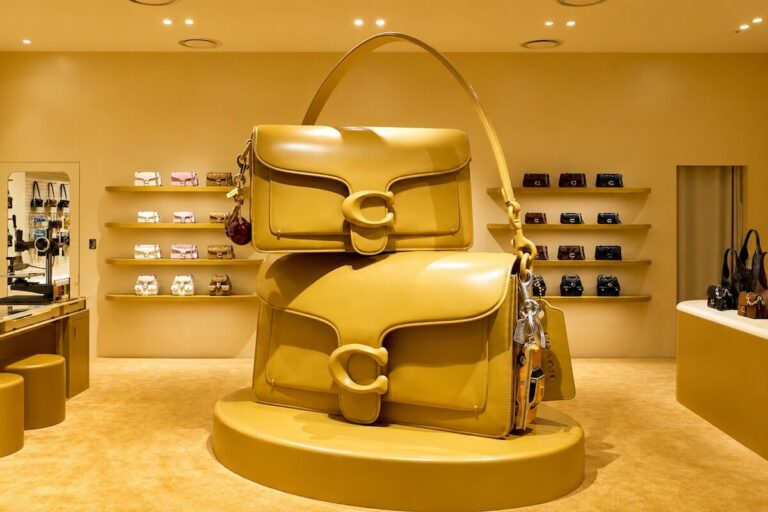
Gross margins and selected profit metrics for Coach, Pop Mart, lululemon, Miniso, Five Below, TJX and Costco, plus where each…
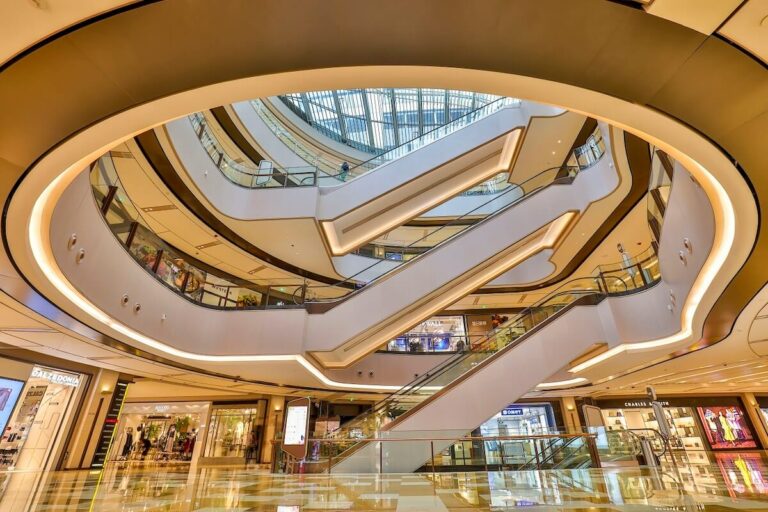
NikeSKIMS, Birkenstock and Starbucks Reserve chose HKRI Taikoo Hui for major China debuts. Why the Shanghai complex keeps winning new…
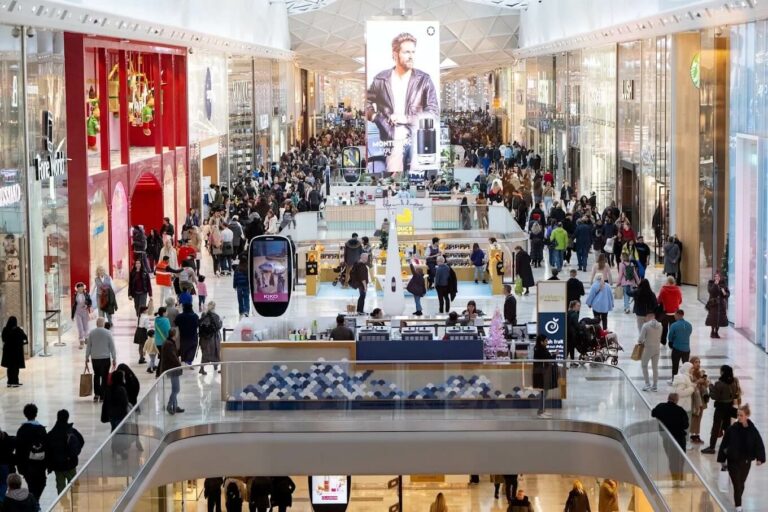
Bluewater opens its first new anchor since 1999. Next takes the former House of Fraser space with about 132,000 square…
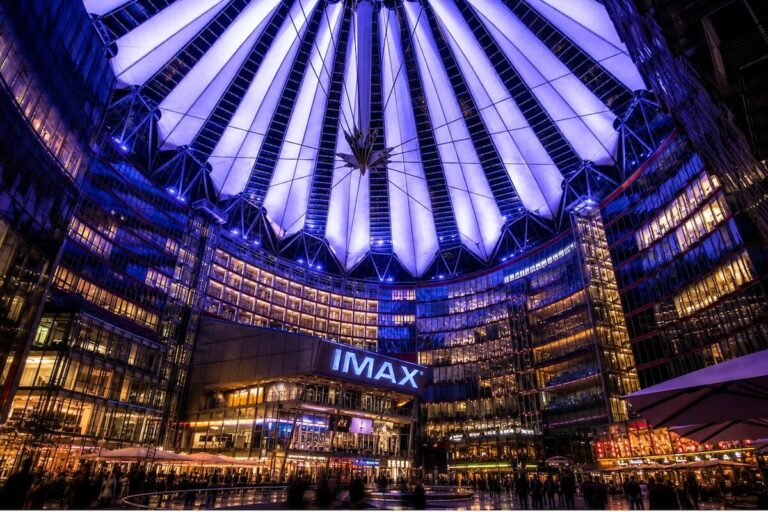
Opening in IMAX 70mm on July 17, 2026: Christopher Nolan's The Odyssey. Select shows went on sale one year in…
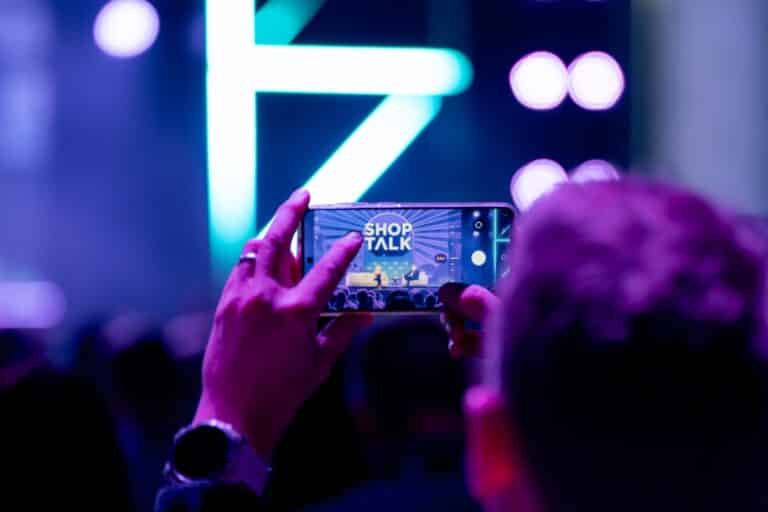
European retail is scaling AI, agentic commerce and retail media, but consumer trust is becoming the constraint. Four structural shifts…
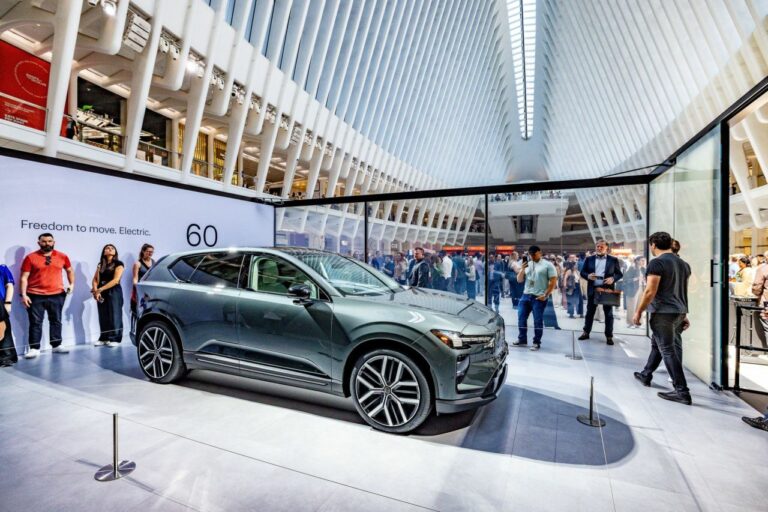
Mall operators are no longer leasing space for pop-ups. They are selling audience access.