

Ascena will close most of the Justice stores, as well as individual Ann Taylor, Loft, Lane Bryant, and Lou & Grey stores.
American women’s clothing retailer Ascena has filed for bankruptcy under Chapter 11 of the U.S. Bankruptcy Code. Under the terms of the procedure, the company may make a complete reorganization to help resolve the situation and remain on the market. Ascena has become another retailer that has failed to survive the coronavirus pandemic and is trying to reorganize its operations through bankruptcy proceedings.
Ascena owns many well-known women’s clothing stores, including Ann Taylor, Loft, Lou & Grey, Lane Bryant, Cacique, Catherines, and Justice. This latter brand will have the largest number of closed stores. The company also reports that some of its most popular brands Ann Taylor and Loft, will also stop working, as well as some retail outlets such as brands Lane Bryant and Lou & Grey. In total, the retailer operates more than 2800 stores in the U.S. and other countries.
The exact number of stores that will be closed in the near future is not reported, the company only says it will be a “significant” number. The fate of each store will be decided by the outcome of Ascena’s negotiations with the landlords. In cases where it is possible to agree on deferral of payments or receipt of payment conditions, the company will try to keep the store running and keep the store running for the foreseeable future. But the stores in Canada, Puerto Rico, and Mexico are planned to close down definitively already in the first stage of restructuring, and this applies to all brands of the company.
In its bankruptcy petition, Ascena said the company owes between $10 billion and $50 billion and has more than 100,000 creditors, most of whom are shopkeepers. As part of the restructuring, the company plans to reduce its debt by about a billion dollars, and the company also plans to sell the rights to its clothing brand plus-side Catherines in the future.

European retail is scaling AI, agentic commerce and retail media, but consumer trust is becoming the constraint. Four structural shifts…
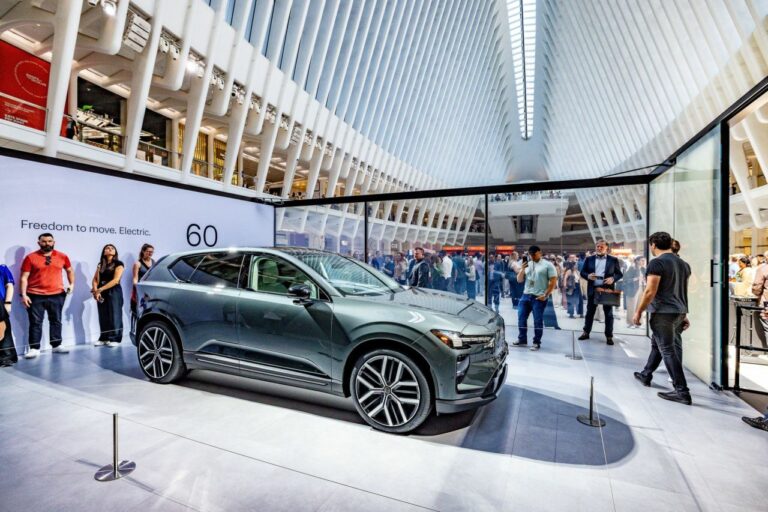
Mall operators are no longer leasing space for pop-ups. They are selling audience access.
Physical stores still drive most retail sales, fulfill online orders, support AI shopping, and help brands return to market.
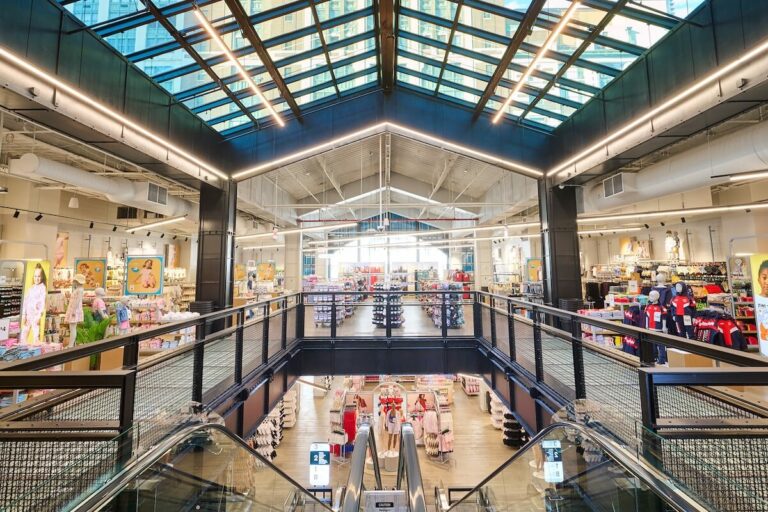
A practical guide to nine mall tenant formats in 2026, from flagships and pop-ups to anchor redevelopment and mixed-use retail.
1,051 of 1,173 US malls hold zero ultra-luxury brands. Half of all Cartier, Chanel, Hermès, and Louis Vuitton mall stores…
Every physical expansion decision starts with the same question: where does the store go?
Verified signals on brand expansion, store openings, and mall development. Free.
Free · No credit card · Unsubscribe any time
