

From Riyadh and Bangkok to Shanghai, the US, and Europe, these flagship retail projects demonstrate how scale, design, and urban role are evolving by 2026.
From Riyadh and Bangkok to Shanghai, the US and Europe, these flagship retail projects show how scale, design and urban role are evolving by 2026.
For decades, global retail conversations followed a familiar pattern.
The biggest malls. The loudest megaprojects. Developments designed to dominate headlines long before their doors ever opened.
By 2026, that framework no longer explains what is really happening in retail.
Across Asia, the Middle East, the United States and Europe, even the most anticipated and highly visible projects are being built around fundamentally different assumptions. Size alone is no longer the differentiator. Neither is branding. What increasingly matters is how retail is positioned within cities, daily routines and long-term urban growth strategies.
The projects reaching key milestones in 2026 reflect this shift clearly. Some are large by any definition. Others are compact and urban. What unites them is intent. Retail is no longer treated as a standalone destination designed purely to absorb footfall. It is being redefined as urban infrastructure — shaping movement, social life, time spent and the way districts function over time.
This Malls.com editorial examines a selection of the most strategically important retail developments scheduled to advance in 2026. Together, they show how the next generation of flagship retail is taking shape. Not louder. Not necessarily bigger. But more integrated, more deliberate and far more aligned with how people actually use cities today.
Saudi Arabia’s retail transformation is often discussed in broad terms. The Avenues Riyadh makes that transformation tangible.
Expected to reach opening phases in 2026, the project introduces a multi-district, city-within-a-mall concept to the Saudi market. Luxury, entertainment and lifestyle retail are combined at a scale rarely seen in the region. Unlike traditional malls, The Avenues is designed to be navigated as an urban environment, with distinct zones rather than uniform corridors.
Its importance is less about scale and more about direction. Retail in the Kingdom is no longer about importing global formats wholesale. It is about adapting them to local lifestyles, climate and social behavior. For international brands, projects like this are becoming essential points of entry into the region’s next retail chapter.
The arrival of a Westfield-branded project in the Saudi capital carries weight far beyond its tenant mix.
With a 2026 opening window, Westfield Riyadh represents a meeting point between global retail branding and Middle Eastern ambition. For Saudi Arabia, it reinforces the country’s position as a destination for premium retail investment. For Westfield, it marks a strategic move into one of the world’s fastest-evolving consumer markets.
The expectation is a blend of international luxury and regional sensibility that sets a new benchmark for large-scale retail environments in the Gulf.
Northern Bangkok has long lacked a true retail landmark capable of anchoring the area’s growth. That absence is precisely where The Central Phaholyothin positions itself.
Scheduled to open toward the end of 2026, the project is not conceived as just another large shopping center. It is designed as a city-shaping destination, combining retail, events, public space and infrastructure at a scale usually reserved for central business districts. The ambition here is easy to read. The project aims to act as a northern counterpart to CentralWorld, though with a more contemporary mixed-use logic.
Its importance comes as much from timing as from scale. Retail gravity in Bangkok is expanding outward, following transit corridors and residential density rather than tourist flows alone. The Central Phaholyothin reflects a broader Asian pattern. Malls are no longer responding to urban growth. In many cases, they are helping create it.
Away from capitals and tourist centers, Central Northville highlights another important shift. Retail growth in Southeast Asia is increasingly tied to regional urbanization.
Scheduled to open in 2026, the project targets an emerging residential and commercial zone rather than an established retail hub. Its scale and positioning suggest confidence in long-term domestic consumption, not just transient footfall.
These regional centers rarely dominate global headlines, but they often prove the most resilient. Central Northville exemplifies how retail growth in Southeast Asia is increasingly tied to local urbanization rather than spectacle.
Central Phuket’s luxury expansion tells a related story in a resort context. Luxury retail in resort markets is changing, and this project reflects that evolution.
Rather than relying solely on seasonal tourism, the expansion focuses on building year-round appeal through curated luxury, dining and experiential elements. With a planned 2026 delivery phase, it shows how resort retail is being repositioned as a lifestyle destination rather than a transactional stop.
The emphasis here is not volume, but relevance and longevity.
In China, retail growth has moved beyond the question of how many malls a city needs. The focus is now on how the best ones evolve.
The Pavilion extension at Plaza 66 in Shanghai, expected to open in the second half of 2026, reflects this shift. The emphasis is on luxury, service and spatial experience, along with stronger integration into the surrounding public realm. Instead of expanding outward, projects like Plaza 66 are refining inward, becoming more selective, more intimate and more aligned with changing consumer expectations.
In the United States, some of the most meaningful retail innovation is happening at a smaller, more integrated scale.
Culver Steps is not a mall in the traditional sense. It is a compact, open-air retail environment embedded directly into the daily rhythms of a creative, media-driven city. Retail here functions as urban infrastructure. It supports everyday use, social interaction and repeat visitation rather than destination-driven trips.
As US retail continues to recalibrate away from enclosed formats, projects like Culver Steps offer a clear signal of where long-term relevance may lie.
Southdale Center occupies a unique position in retail history as the world’s first enclosed shopping mall. Its current redevelopment marks an equally important moment.
The ongoing transformation reframes the site as a mixed-use district where retail remains a central anchor rather than a residual function. Residential, office and public space are layered around a redefined retail core, reflecting a broader shift in how legacy mall assets are being repositioned across the United States.
With key phases aligning toward 2026, Southdale stands as a systemic case study for how the American mall model is evolving rather than disappearing.
La Maquinista has long been one of Europe’s most successful open-air retail destinations. Its current expansion phase underscores how mature urban malls are adapting to changing consumer expectations.
Rather than pursuing aggressive growth, the project focuses on optimizing tenant mix, leisure integration and time-spent dynamics. Retail here is embedded within a real residential city fabric, not isolated from it.
As European retail increasingly prioritizes experience, accessibility and long-term urban compatibility, La Maquinista offers a compelling reference point.
Looked at together, these 2026 projects reveal a shared direction. They are not defined by size or branding alone. They are defined by intent.
Across regions, developers are moving away from one-size-fits-all solutions and toward projects that respond to specific urban, social and cultural contexts. Retail is no longer positioned as an isolated destination. It is becoming part of a city’s infrastructure, shaping how people move, meet and spend time.
As these projects come online, they will offer a clearer picture of where malls are heading next. Not louder. Not bigger. Simply more integrated and more relevant to how people actually use cities.
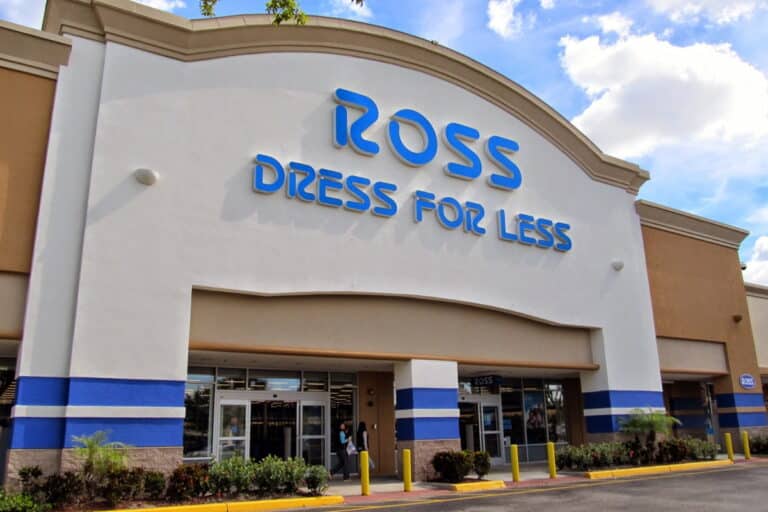
Last year, the California retailer reached the 2,000-store mark, including 1,700 Ross and 330 DD's with locations in 40 states.
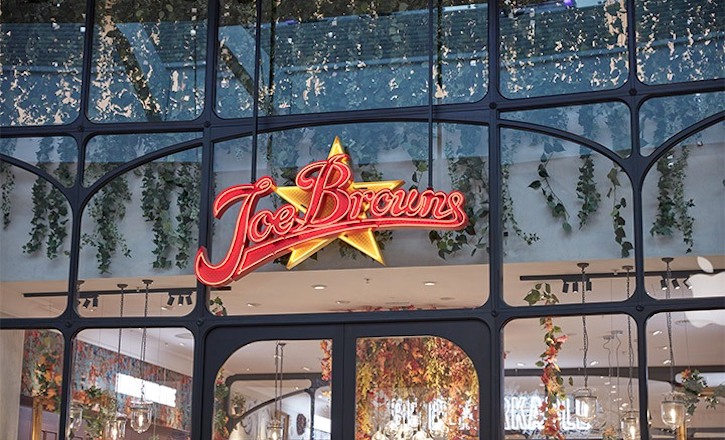
The 3300 sq. feet space is in Ho Chi Minh City, the country's second-largest city.
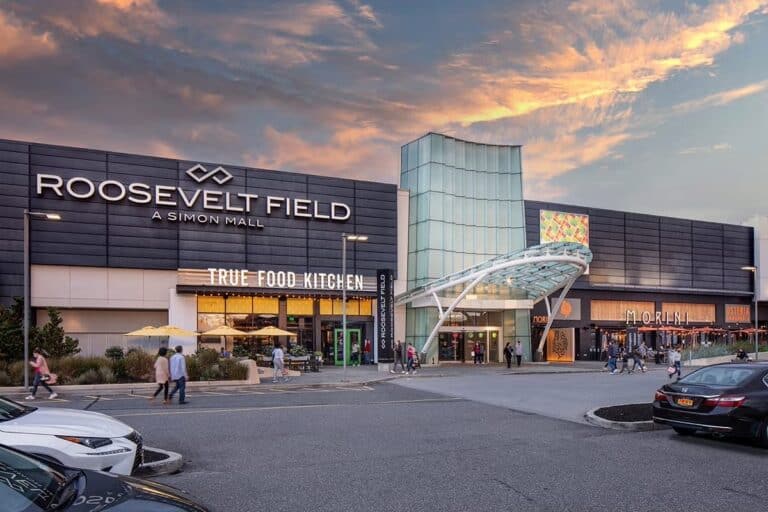
900 malls remain in the United States. The top 100 account for half the sector's value.
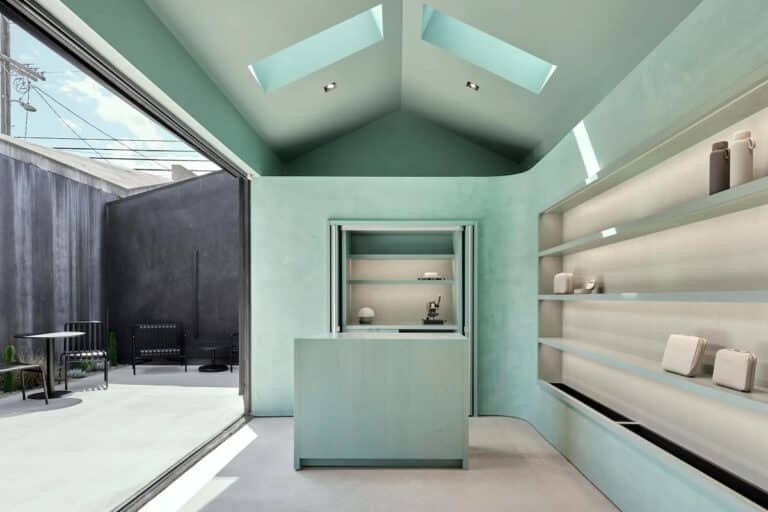
57 verified brand expansion signals. 25+ markets. Seven archetypes. One structural pattern.
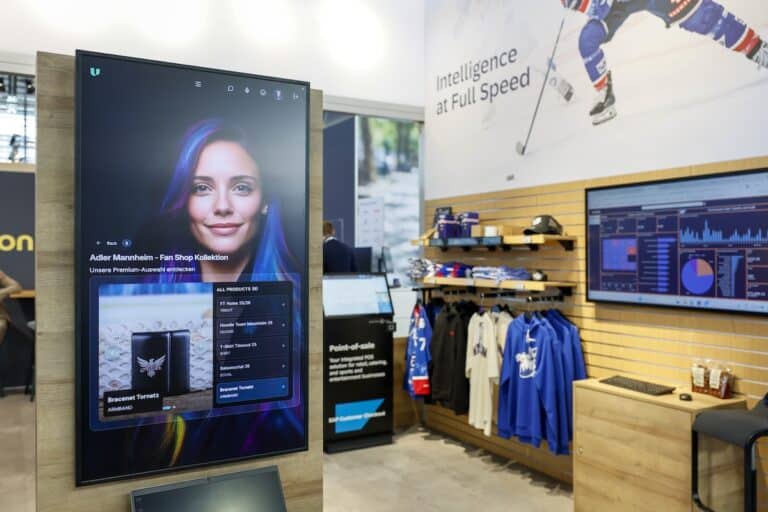
In-store retail media crossed $0.5B. AI moved from the cloud into checkout scanners. Retail space supply hit historic lows.
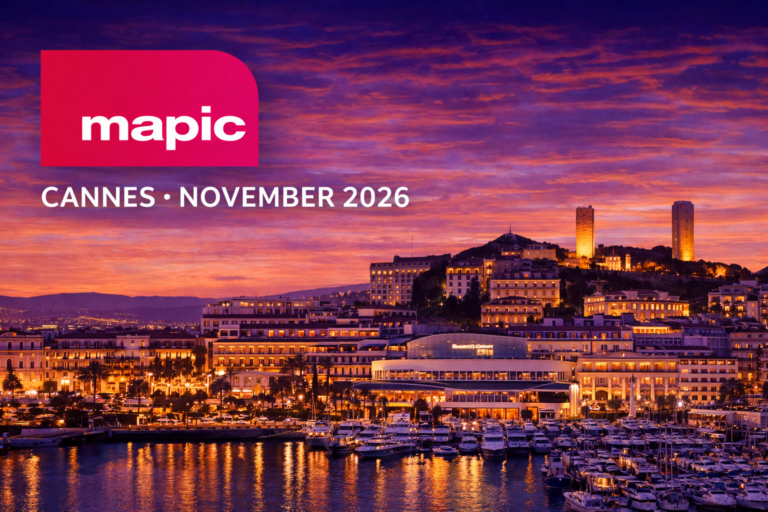
3-4 November 2026, Cannes MAPIC takes place every autumn in Cannes and remains one of the few global events where…
Verified signals on brand expansion, store openings, and mall development. Free.
Free · No credit card · Unsubscribe any time
Billed annually · View full comparison · Payment via invoice or PayPal
