

Superdry’s turnover fell by almost 25% and the company’s management had to turn to banks for a multi-million dollar loan.
According to the report for the last fiscal quarter (ended July 25), due to the ubiquitous quarantine of sales in stores, the British fashion retailer fell by 58.1%, and wholesale turnover fell by 31% due to blockages in many countries. That same factor led to an increase in online sales by 93.2%, as the company’s total turnover fell “only” by 24.1%.
According to Superdry, management is even more satisfied with these results, as earlier forecasts were much more pessimistic. The brand has been experiencing difficulties for quite some time, beginning in mid-2019. The pandemic, on the other hand, has become a more severe problem if the brand manages to survive poorly. It’s still noticeably better than many other retailers.
Also, in the survey, Superdry said the 80 million euro loan would be spent on restructuring the company and optimizing its processes for the future. For a company that makes such an impressive amount of money in difficult times, management takes a lot of risks. But fundamental changes are vital for the company right now.
Superdry’s CEO, Julian Dunkerton, who founded the company in 1985 and rejoined the board in April last year, said he was convinced it was time to “restart” the brand. His transformation plans mean that the brand will return to its original style inspired by Japanese motifs. At the same time, the range of products will expand, while the number of discounts will remain limited.
Photo credit: depositphotos.com.
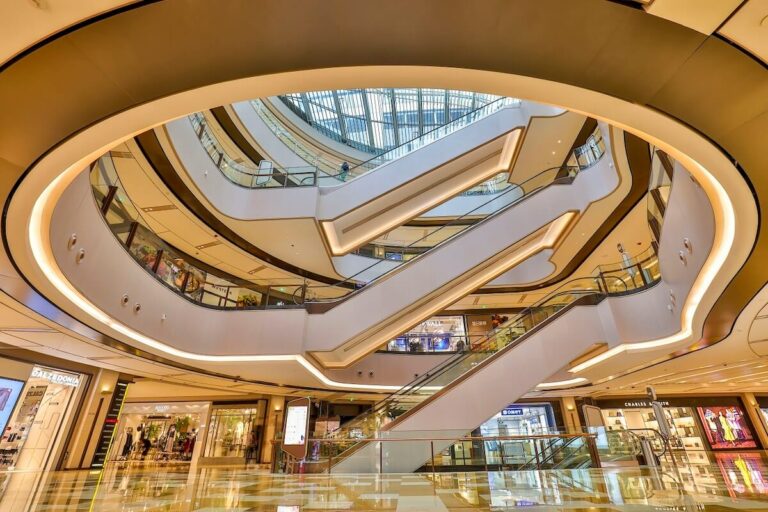
NikeSKIMS, Birkenstock and Starbucks Reserve chose HKRI Taikoo Hui for major China debuts. Why the Shanghai complex keeps winning new…
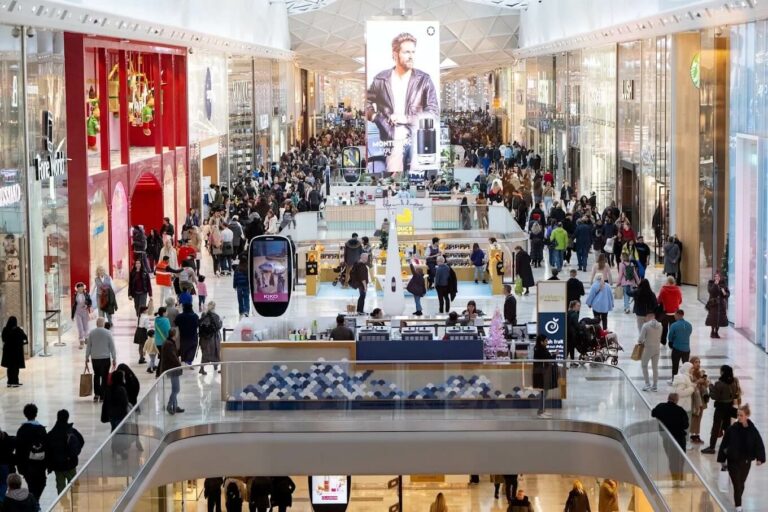
Bluewater opens its first new anchor since 1999. Next takes the former House of Fraser space with about 132,000 square…
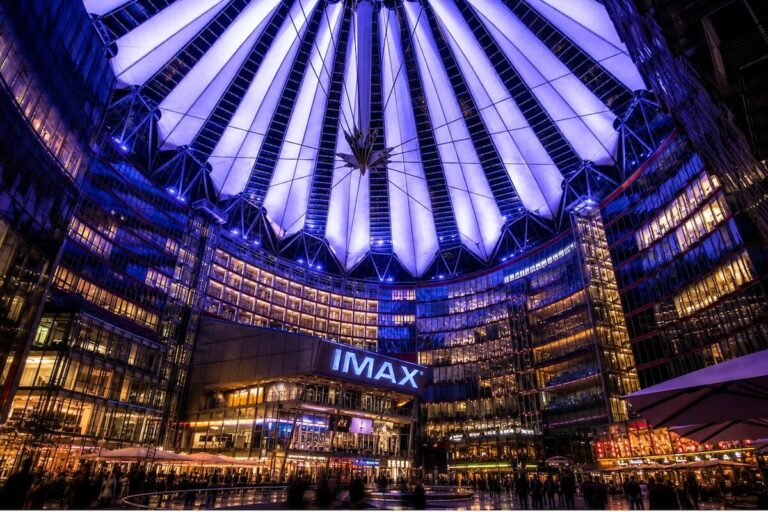
Opening in IMAX 70mm on July 17, 2026: Christopher Nolan's The Odyssey. Select shows went on sale one year in…

European retail is scaling AI, agentic commerce and retail media, but consumer trust is becoming the constraint. Four structural shifts…

Mall operators are no longer leasing space for pop-ups. They are selling audience access.
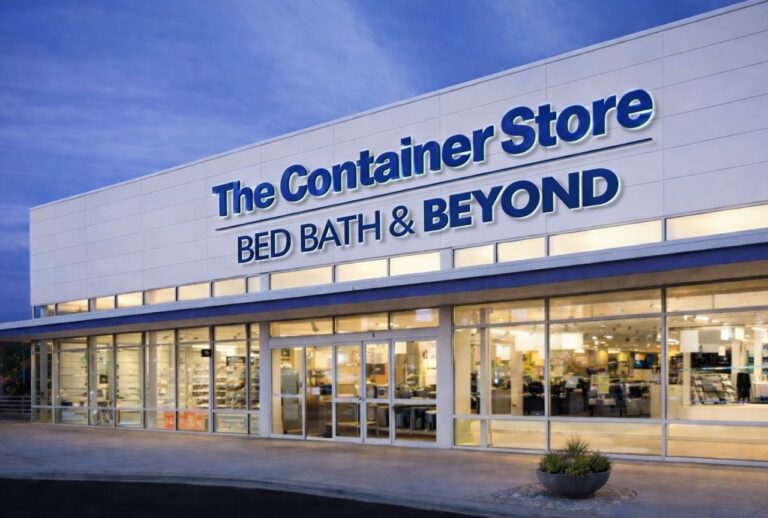
Physical stores still drive most retail sales, fulfill online orders, support AI shopping, and help brands return to market.
Verified signals on brand expansion, store openings, and mall development. Free.
Free · No credit card · Unsubscribe any time
