

The company emphasized that cost-cutting is a pivotal focus for its future endeavors.
NIKE, Inc. unveiled its second-quarter 2024 financial results, leading to a more than 10% drop in its stock price. Despite a 1% revenue growth to $13.4 billion in the second quarter, the brand’s revenue forecast for the latter half of the year was adjusted downward, reflecting diminished expectations.
The company emphasized that cost-cutting is a pivotal focus for its future endeavors. Over the next three years, the company intends to reduce expenses by $2 billion. This encompasses streamlining its product assortment, increasing automation, and restructuring its workforce. Estimates for restructuring expenses, pre-tax, range from $400 million to $450 million, primarily linked to severance payments, indicating imminent significant layoffs.
Looking ahead, Nike highlighted the need to concentrate on innovative products and a differentiated market experience to boost company revenues. “The second-quarter results demonstrated how we are regaining footing in our key areas of innovation and growth,” shared John Donaho, the company’s President and CEO. “Today, we are investing company-wide in areas with the greatest potential, accelerating the pace of innovation, and enhancing our flexibility and operational efficiency.”
The results for the third quarter of the 2024 financial year will be published in a few months, serving as an indicator of how effectively these actions are addressing the identified challenges.
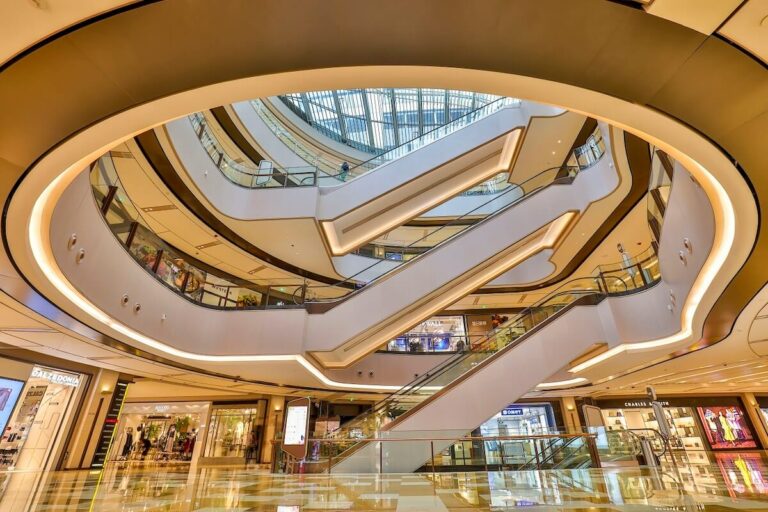
NikeSKIMS, Birkenstock and Starbucks Reserve chose HKRI Taikoo Hui for major China debuts. Why the Shanghai complex keeps winning new…
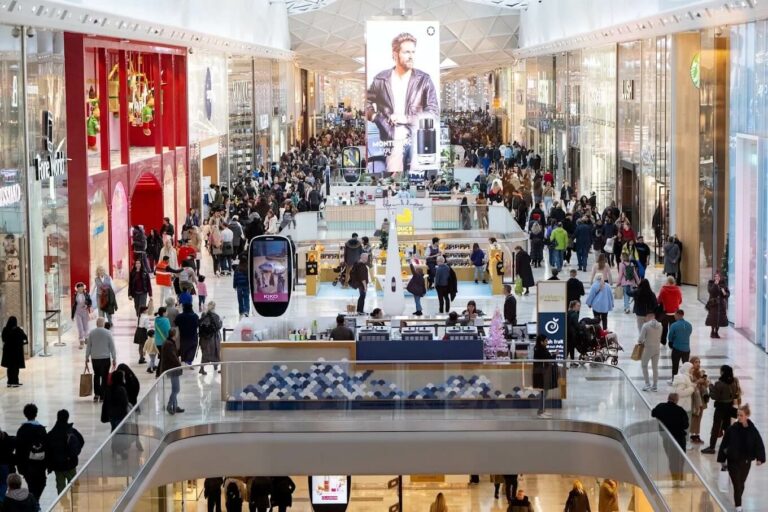
Bluewater opens its first new anchor since 1999. Next takes the former House of Fraser space with about 132,000 square…
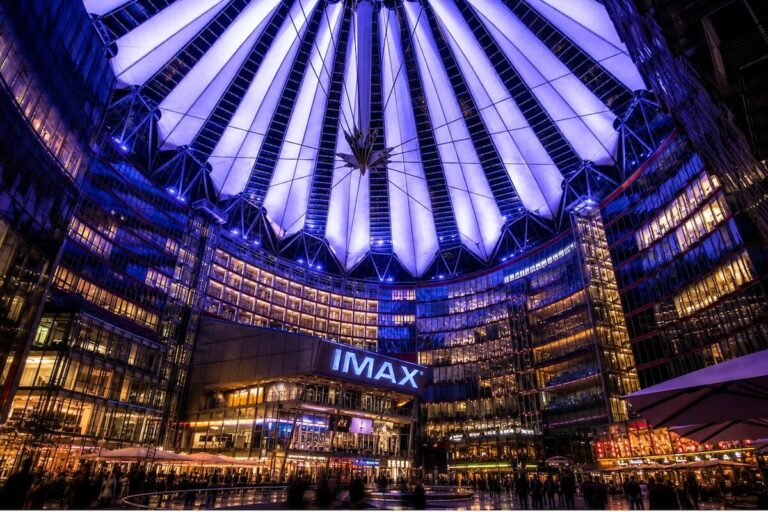
Opening in IMAX 70mm on July 17, 2026: Christopher Nolan's The Odyssey. Select shows went on sale one year in…

European retail is scaling AI, agentic commerce and retail media, but consumer trust is becoming the constraint. Four structural shifts…
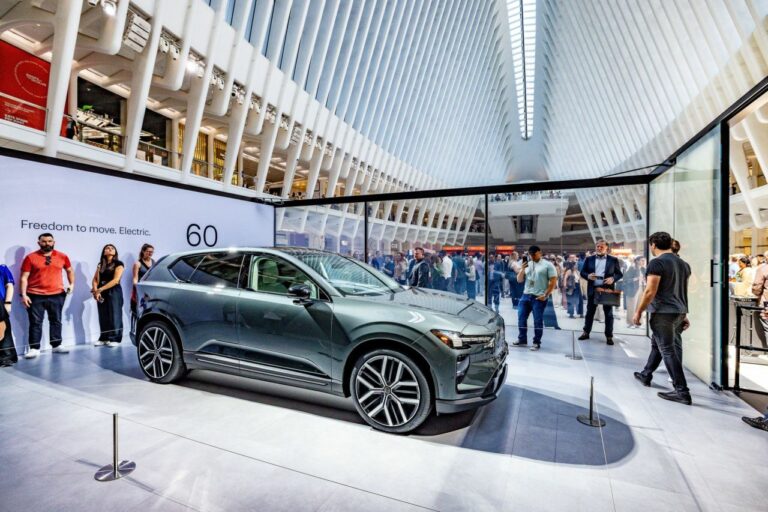
Mall operators are no longer leasing space for pop-ups. They are selling audience access.
Physical stores still drive most retail sales, fulfill online orders, support AI shopping, and help brands return to market.
