
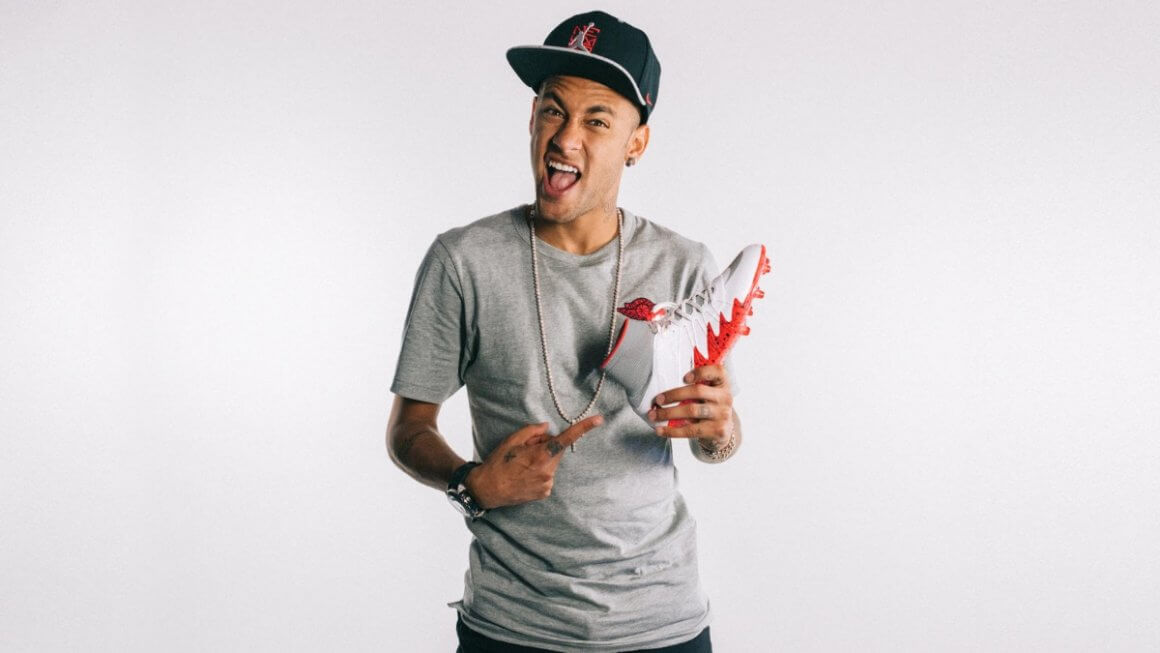
The footballer himself assures that the reason for the termination of the contract lies exclusively in the business perspective.
The announcement that Nike would terminate its contractual relationship with soccer star Neymar da Silva Santos Jr., who was playing for Paris Saint-Germain, appeared in August 2020. However, the company didn’t name the reason for the breakup and preferred not to discuss why it happened, although it was still about eight years before the end of the contract.
Nike now has its investigation into the allegations against the Brazilian athlete for sexual harassment, which was the research outcome and led to the breakdown of the contract. About it, citing sources close to the brand and the documents obtained writes The Wall Street Journal.
The incident, which became the subject of the investigation, occurred back in 2016. A Nike employee whom Neymar sexually harassed in a New York City hotel room reported it in 2018, filing a formal complaint. A formal investigation was launched in 2019. It resulted in the decision to terminate the contract; the athlete refused to participate in the study. At the same time, Neymar officially denies all accusations and argues that the break with Nike occurred solely for commercial reasons.
According to Hilary Crane, general counsel of Nike, the company had not previously discussed this issue publicly because they were unable to provide supporting evidence. At the time of the contract breakup, the investigation was not yet complete.
Before the breakup in August 2020, Neymar was the face of Nike in South America, with his own branded footwear and apparel collections, and was among the highest-paid athletes the brand had partnered with. In early September 2020, two weeks after breaking his contract with Nike, the athlete signed a deal with another brand of sports shoes – it was the brand Puma, which has since managed to release a particular model of sneakers with the soccer player’s name.
European retail is scaling AI, agentic commerce and retail media, but consumer trust is becoming the constraint. Four structural shifts…
Mall operators are no longer leasing space for pop-ups. They are selling audience access.
Physical stores still drive most retail sales, fulfill online orders, support AI shopping, and help brands return to market.
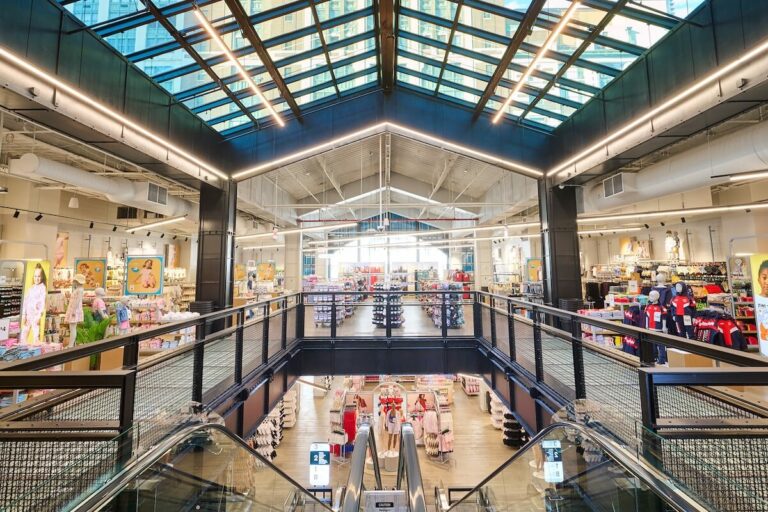
A practical guide to nine mall tenant formats in 2026, from flagships and pop-ups to anchor redevelopment and mixed-use retail.
1,051 of 1,173 US malls hold zero ultra-luxury brands. Half of all Cartier, Chanel, Hermès, and Louis Vuitton mall stores…
Every physical expansion decision starts with the same question: where does the store go?
Verified signals on brand expansion, store openings, and mall development. Free.
Free · No credit card · Unsubscribe any time
