
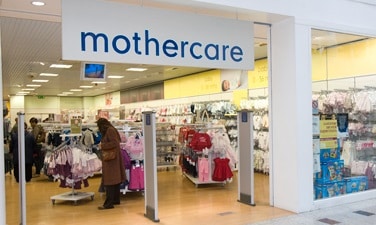
Mothercare, the baby goods retailer, has experienced a boost in its profits and sales after holding off the launch of their Christmas sales.
The
retailer reported that holding off their festive sales until Boxing
Day has resulted in the stabilization of the overall business. The
group has faced several disastrous years, as competition grows.
The
company owns the Early Learning Center chain and stated that for the
13-week period ending January 10, like-for-like sales increased by
1.1%. This comes in spite of a store closure event which reduced
their sales space by 4.2%. Overall sales indicated a 1.9% decline in
UK revenues.
Over
the same period, global sales, a combination of wholesale income,
international retail and UK sales, increased by 2.2%. Total group
sales, which is a total of UK sales, international partner receipts,
including royalties, and cost of goods delivered to franchise
partners, declined by 2.9%.
Chief
executive, Mark Newton-Jones, launched a rights issue to fund IT
improvements, debt reduction, refurbishments and store closures, in a
bid to secure the future of the company.
He
stated that the trading update is in line with their plans. He added
that in the UK the company continued the reduction of promotional
activities and held off on their end of season sale until Boxing Day,
when they had less stock available. The actions that they have taken
have resulted in the re-establishment of Mothercare as a full price
retailer and have stabilized their margin.
Internationally,
the group has seen growth in all regions, in spite of the uncertainly
in certain markets.
The
company’s online stores have shown good growth over the 13-week
period, with an increase of 16.1%. Online sales now account for
31.8% of the overall UK sales.
The
company’s shares increased by almost 3% during early trading, but
later fell back to 1.1%.
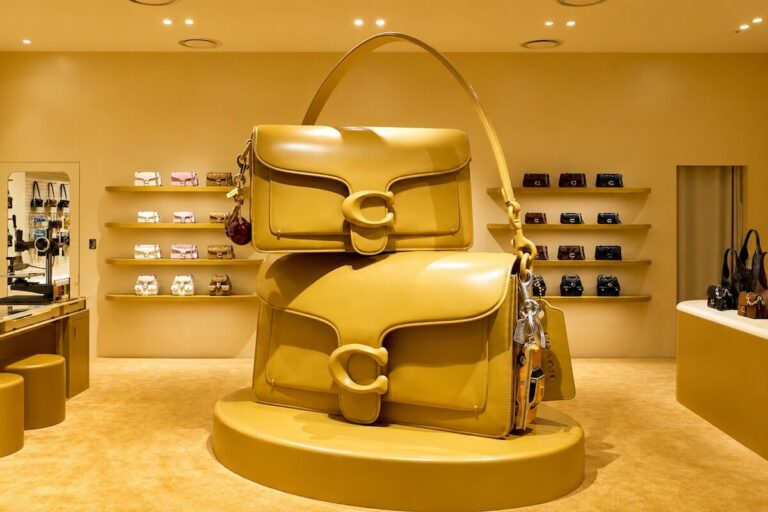
Gross margins and selected profit metrics for Coach, Pop Mart, lululemon, Miniso, Five Below, TJX and Costco, plus where each…
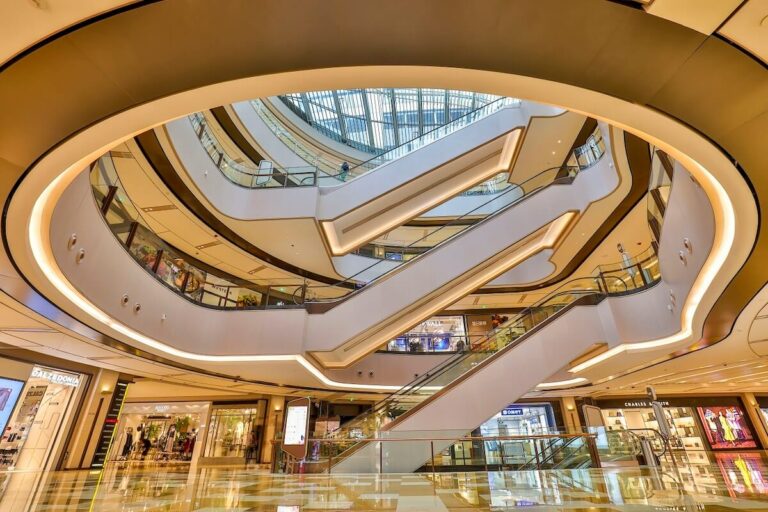
NikeSKIMS, Birkenstock and Starbucks Reserve chose HKRI Taikoo Hui for major China debuts. Why the Shanghai complex keeps winning new…
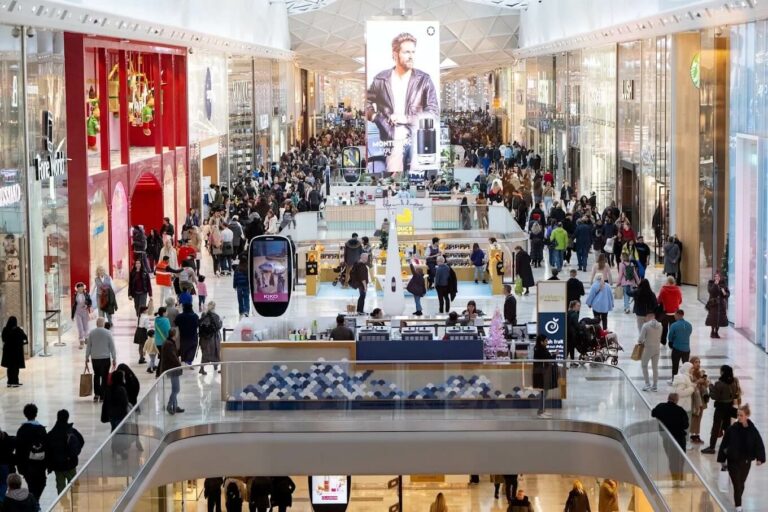
Bluewater opens its first new anchor since 1999. Next takes the former House of Fraser space with about 132,000 square…
Opening in IMAX 70mm on July 17, 2026: Christopher Nolan's The Odyssey. Select shows went on sale one year in…

European retail is scaling AI, agentic commerce and retail media, but consumer trust is becoming the constraint. Four structural shifts…

Mall operators are no longer leasing space for pop-ups. They are selling audience access.
