
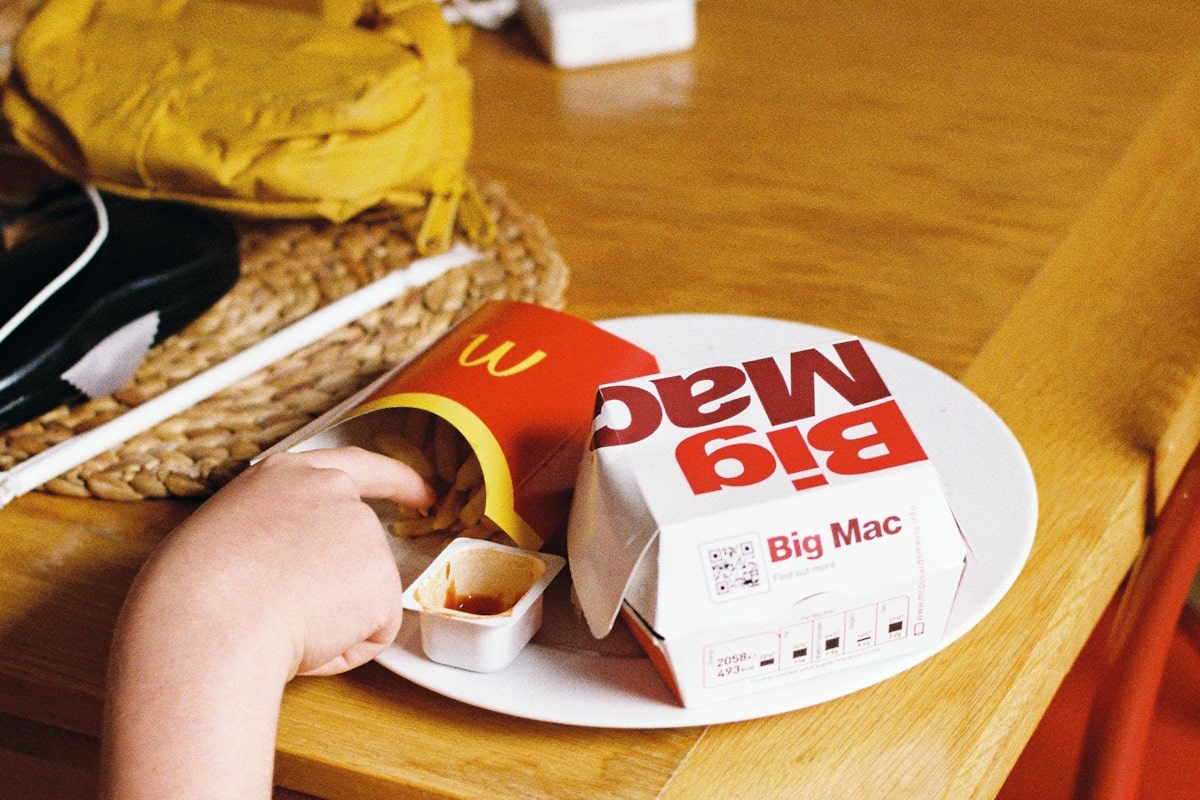
McDonald’s is going to roll out the new practice to its 13,460 restaurants in the United States.
Fast food restaurant chain McDonald’s is changing the process of cooking a Big Mac in the United States. Now a smaller number of beef patties are fried at a time for more even frying, and there is more sauce. The lettuce and pickles are also now fresher and the cheese is now more melted. The buns are served brioche with chaotically scattered sesame seeds, giving them a homemade look.
The company decided to change the way it cooks its burgers “in the face of increased competition in the marketplace, especially from upscale fast-food chains like Five Guys.” “We can do it quickly and safely, but it’s not necessarily going to taste good. So we want to incorporate quality,” said senior director of global menu strategy Chris Young.
The publication, citing an internal report, writes that McDonald’s is going to put “Our Best Burgers Ever” on billboards. Hamburglar, the burger snatcher, will once again be the main character of the new advertising campaign.
The update will affect most of the burgers on the chain’s main menu. The new technology was tested in Australia, now McDonald’s is going to roll it out to its 13,460 restaurants in the United States.
Earlier this year, McDonald’s chef Chad Schafer made a double cheeseburger in a new way: he cooked a beef patty with onions on top, put room temperature cheese that melts faster, and took a bun.
McDonald’s worked with suppliers to grow varieties of onions that can be dehydrated quickly after picking, the newspaper notes. Restaurants rehydrate the onions and use plastic shakers to spread them on burgers as they cook. McDonald’s has also found that cooking six burgers at a time instead of eight improves their quality.
The vendors and deployments behind shopping advice, store navigation and retail operations, with a closer look at what it takes…
Miss A, Rowan and HEYTEA are on US mall opening lists in fall 2026. Their public records show what each…
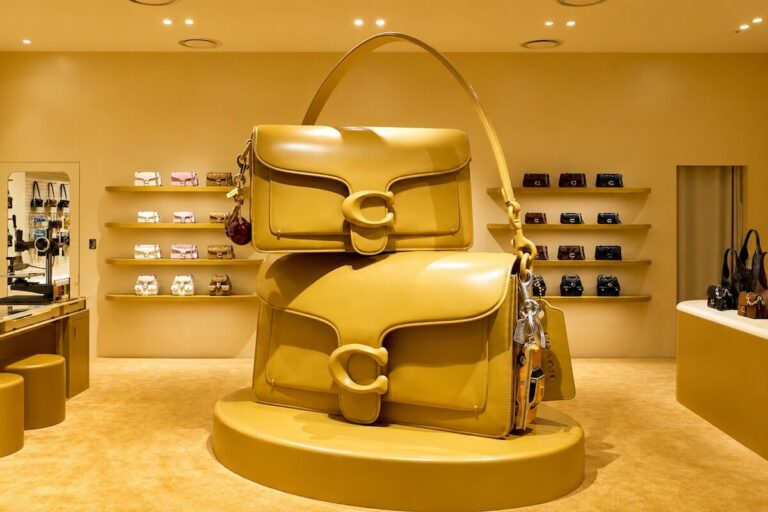
Gross margins and selected profit metrics for Coach, Pop Mart, lululemon, Miniso, Five Below, TJX and Costco, plus where each…
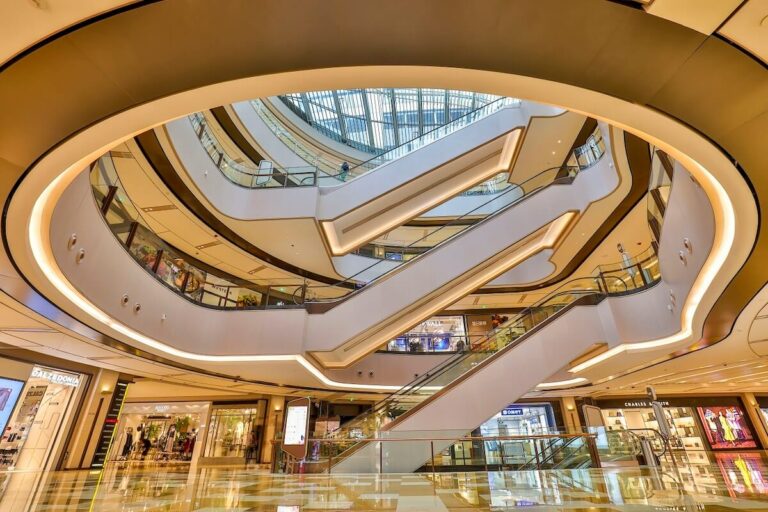
NikeSKIMS, Birkenstock and Starbucks Reserve chose HKRI Taikoo Hui for major China debuts. Why the Shanghai complex keeps winning new…
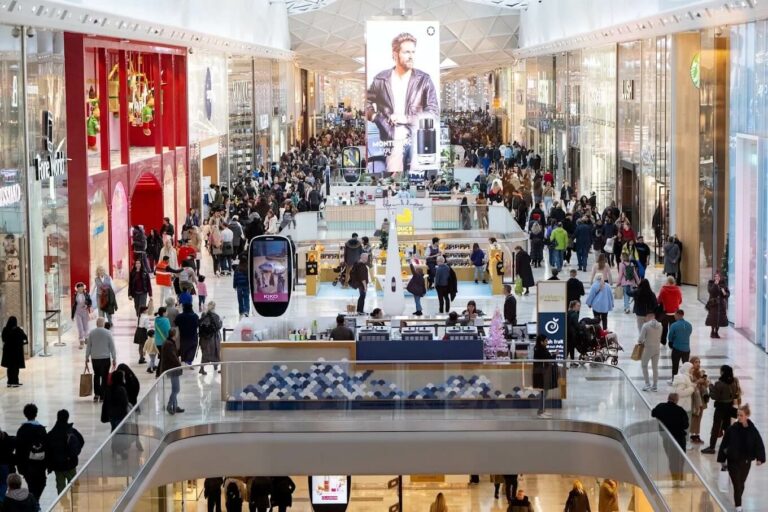
Bluewater opens its first new anchor since 1999. Next takes the former House of Fraser space with about 132,000 square…
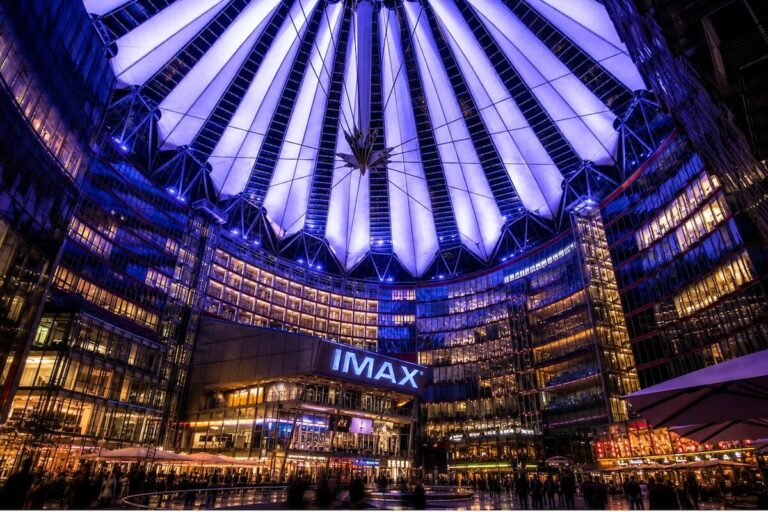
Opening in IMAX 70mm on July 17, 2026: Christopher Nolan's The Odyssey. Select shows went on sale one year in…
