
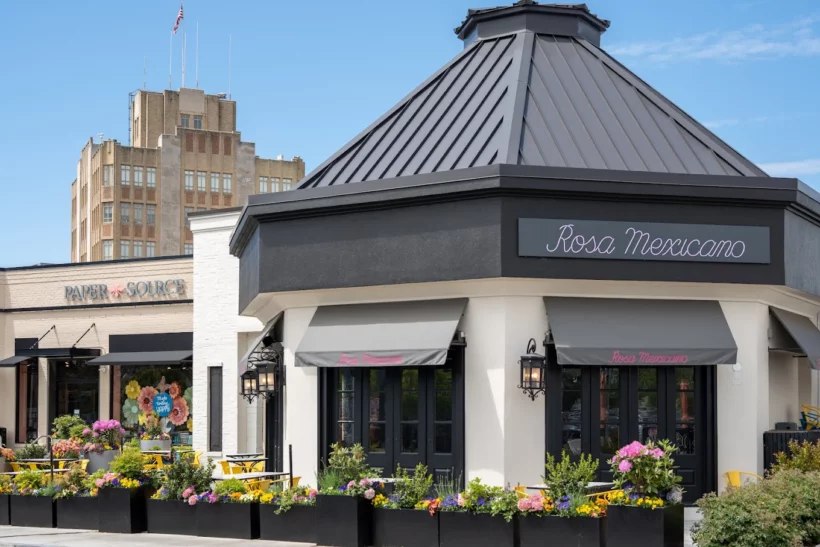
Suburban Square is a 200,000 square foot lifestyle center in Ardmore, Pennsylvania, operated by B.L. England Properties and classified as an A+ asset. Opening in 1928, it holds a place among the oldest shopping centers in the United States. A significant redevelopment in the late 2010s expanded its mixed-use character and improved public spaces, producing an open-air format that functions as both a retail destination and a gathering point for the surrounding community.
Ardmore sits within Montgomery County, one of the most affluent counties in Pennsylvania, along the historic Main Line corridor west of Philadelphia. The trade area spans communities including Bryn Mawr, Haverford, Wynnewood, and Narberth, where household incomes and educational attainment run well above national averages. Philadelphia’s western suburbs generate consistent discretionary spending, supported by a professional and academic population anchored by institutions throughout the region. Suburban Square draws from this dense, high-income base while also pulling commuter traffic from the SEPTA Regional Rail station adjacent to the property, which connects Ardmore directly to Center City Philadelphia.
The confirmed anchors span activewear, eyewear, beauty, apparel, and home furnishings, with lululemon, Warby Parker, Sephora, Urban Outfitters, and West Elm establishing the range of the tenant mix. These brands cover a consumer who prioritizes product quality, brand identity, and the in-store experience over price-driven shopping. The open-air format reinforces this by allowing each retailer to present with strong street-level visibility. Dining and service tenants extend dwell time beyond core shopping visits, and the mixed-use redevelopment supports a pattern of repeat, purpose-driven traffic rather than single-visit browsing.
For brands evaluating the Philadelphia metro, Suburban Square presents a concentrated entry point into Main Line spending power without the footprint or complexity of a traditional regional mall. The format rewards retailers whose store concepts work at human scale, with frontage and foot traffic that suit both established brands building suburban density and newer concepts entering the market for the first time. The absence of a traditional department store anchor means individual tenants carry more weight in driving their own traffic, which favors brands with a defined following and a clear reason to visit. Retailers in activewear, beauty, specialty food, home goods, and contemporary fashion have the strongest alignment with the existing tenant structure and the consumer profile this trade area consistently delivers.

