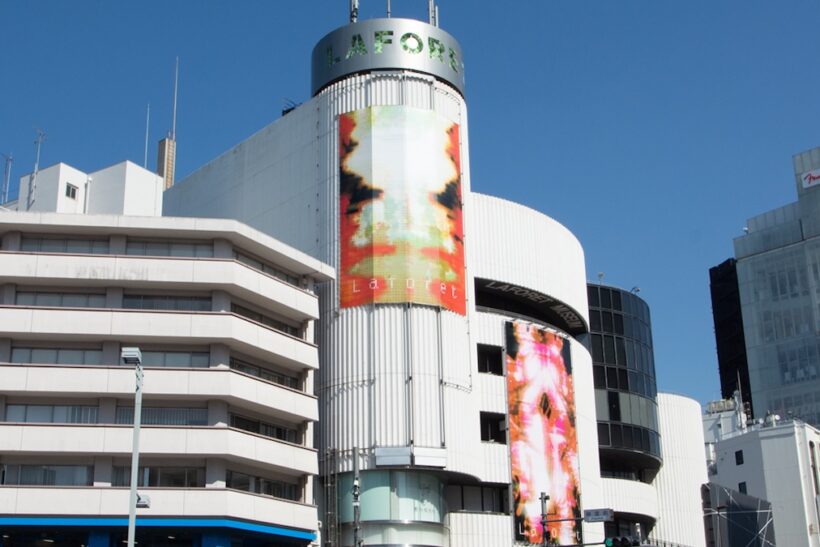
Laforet Harajuku is a 13,000 square meter retail complex at the Jingumae intersection in Shibuya Ward, opened in October 1978 as the founding property of Mori Trust’s retail portfolio (a separate company from the unrelated Mori Building, founded by different members of the Mori family). Classified A in the Malls.com framework, the property is built around an 11-floor cylindrical building that has functioned as the format reference for Tokyo subculture retail for over four decades. The Laforet Museum on the sixth floor hosts pop-up exhibitions, brand events, and seasonal showcases that anchor the property’s cultural programming and distinguish it from the curated mall format that dominates other Tokyo flagships.
Laforet Harajuku anchored Harajuku’s emergence as Tokyo’s youth fashion district through the 1980s and 1990s, when the property’s mix of independent designer boutiques shaped the Urahara streetwear movement, the Lolita gothic fashion subculture, the gyaru tanned-platform-shoe aesthetic, and other Japanese street fashion trends that defined the country’s subcultural retail influence globally. The Harajuku district immediately surrounding the property concentrates Tokyo’s primary youth fashion cluster, with Takeshita Street running east from Harajuku Station handling approximately 60,000 daily pedestrians on weekend peak days. Harajuku Station handles approximately 230,000 daily passengers on the JR Yamanote Line, with Meiji-jingumae Station handling Tokyo Metro Chiyoda and Fukutoshin Line traffic.
The retail tenant base of approximately 140 tenants weights heavily toward independent Japanese fashion labels, vintage selectors, and Tokyo-only concept stores rather than the international chains that dominate other Tokyo retail centers. The merchandising rotates more frequently than typical mall formats, with short-term residencies and pop-ups distinguishing the property from long-term tenant agreements at central Tokyo luxury malls. The Laforet Museum drives the property’s subculture programming with Lolita fashion gatherings, anime-adjacent brand exhibitions, and seasonal Harajuku trend showcases. The format favors small storefronts of 30 to 80 square meters supporting the independent label tenant base.
For brands evaluating Tokyo’s subculture and street fashion segment, Laforet offers the format reference for youth and subculture retail with multi-decade authority distinct from the luxury and mass-market formats elsewhere in the city. Entry conditions favor brands with subculture authenticity, Japanese designer partnerships, or pop-up programming rather than long-term flagship positioning. Traffic skews young Japanese domestic with strong inbound subculture tourism, particularly from East Asian and European markets where Harajuku fashion has direct cultural recognition. Laforet works for brands building Tokyo presence around subcultural authenticity rather than the curated mall format that dominates Ginza, Omotesando, and the post-2010 Tokyo flagships.