

The company’s top priority for the coming years will be to increase its recognition abroad’s Lululemon brand.
Many clothing manufacturers were hard hit by the crisis caused by the pandemic coronavirus. Lululemon company even managed to increase its market capitalization this year, bringing it to $50 billion. It was made possible by a significant increase in demand for comfortable sportswear used for everyday wear and exercise. But the company doesn’t intend to stop there.
Because Lululemon has already managed to achieve excellent results in the North American market, it hopes to strengthen its position on other continents. It is stated that by 2023, the annual volume of overseas sales will reach $ 1.44 billion; that is, it will increase three times compared to today. The company will pay particular attention to China’s presence, where Lululemon already has 50 stores and expanding operations in Japan, South Korea, and Australia.
Simultaneously, the company will be doing some “tweaking” of its image and its marketing strategy. Many consumers perceive the Lululemon brand as exclusively female. And now the task is to make the brand popular also among men. According to the company’s executive director, Calvin Macdonald, “many men do not know about Lululemon, and if they do, then only as a brand of women’s yoga.” And it needs to be explained to them that the brand is actually “more than just yoga.” The company hopes it will win a more male audience abroad, where the company is not perceived as a manufacturer of goods exclusively for yoga lovers.
Lululemon was successful this year, mostly thanks to online sales, which increased immediately by 43%. But the company also intends to expand into the offline sales sector, opening new stores. Pandemia forced competitors of the sportswear brand to close existing ones. In 2021 it plans to open 30-35 new outlets worldwide and expand some existing ones. According to the company, about 140 of Lululemon’s 515 branded stores are outside North America.
Photo credit: depositphotos.com.
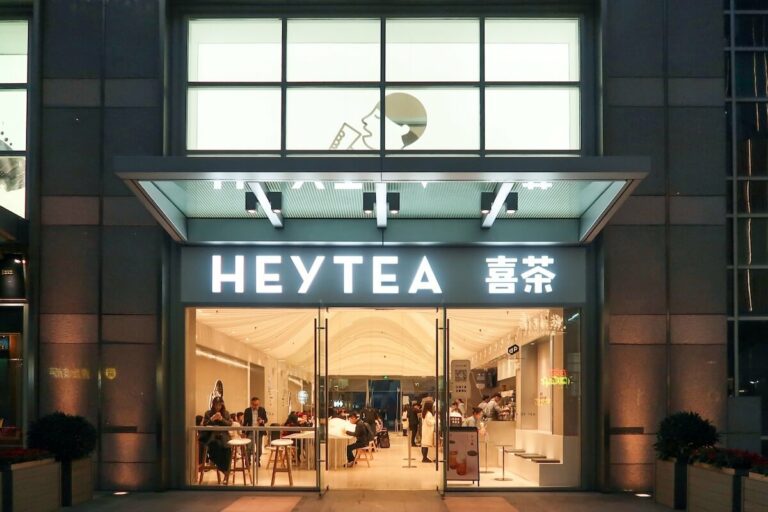
Miss A, Rowan and HEYTEA are on US mall opening lists in fall 2026. Their public records show what each…
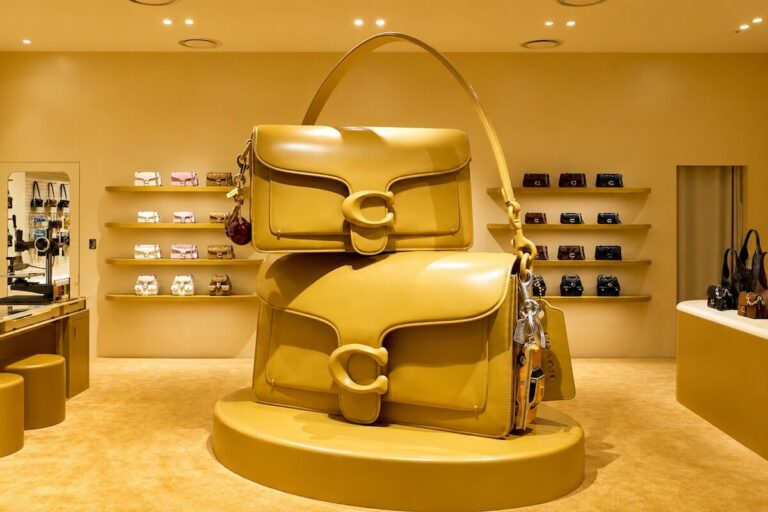
Gross margins and selected profit metrics for Coach, Pop Mart, lululemon, Miniso, Five Below, TJX and Costco, plus where each…
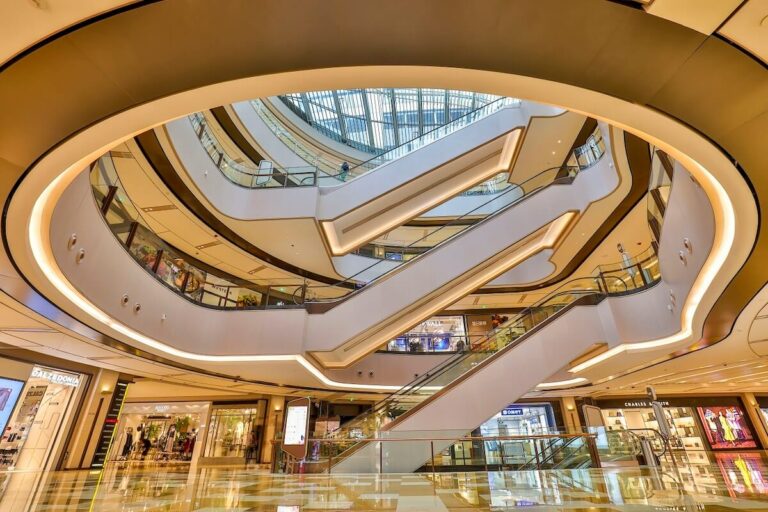
NikeSKIMS, Birkenstock and Starbucks Reserve chose HKRI Taikoo Hui for major China debuts. Why the Shanghai complex keeps winning new…
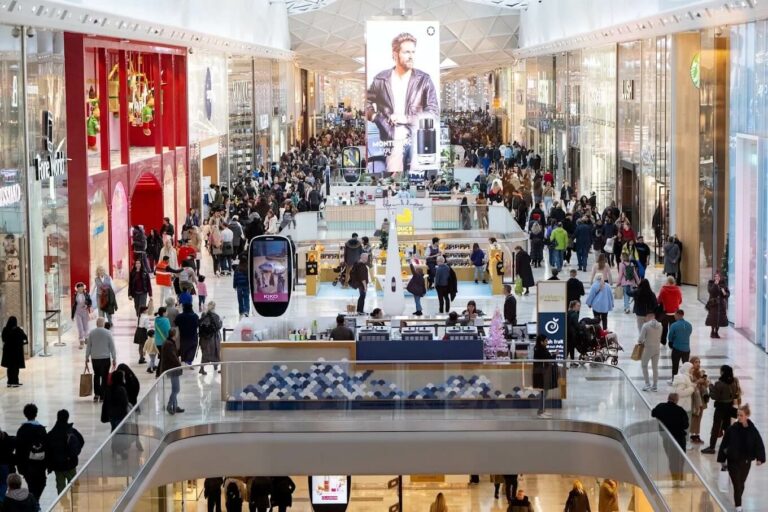
Bluewater opens its first new anchor since 1999. Next takes the former House of Fraser space with about 132,000 square…

Opening in IMAX 70mm on July 17, 2026: Christopher Nolan's The Odyssey. Select shows went on sale one year in…

European retail is scaling AI, agentic commerce and retail media, but consumer trust is becoming the constraint. Four structural shifts…
