

Growth in demand for comfortable clothing has increased due to the pandemic and sportswear retailers like Lululemon experiencing an uptick amid a general crisis.
Lululemon reported $1.1 billion in sales in the third fiscal quarter of 2020. That’s a 22% increase over last year. In North America alone, net revenue was up 19% from the previous year.
Like other manufacturers of comfortable sportswear, the retailer was in a winning position during the pandemic. Staying home because of the quarantine, shoppers pay more attention to comfort clothing, buying it in much higher volumes than last year. Sportswear has become a must-buy item, while office suits, blouses, and dresses have become almost unnecessary.
An essential factor in the growth of Lululemon sales was the attention is paid to the development of e-commerce. The significant increase was demonstrated through direct sales to consumers, but only through the brand’s stores and website, without intermediaries’ involvement. Revenue from direct sales grew 94%, accounting for 42.8% of total revenue, up from 26.9% a year earlier.
The company does not yet offer a forecast for 2020 results, citing the uncertainty of the situation. Because of the increased number of diseases and the introduction of restrictive measures, Lululemon was forced to re-close many stores. Thus, it is not yet possible to assess what the annual results of the company will be.
Photo credit: depositphotos.com.
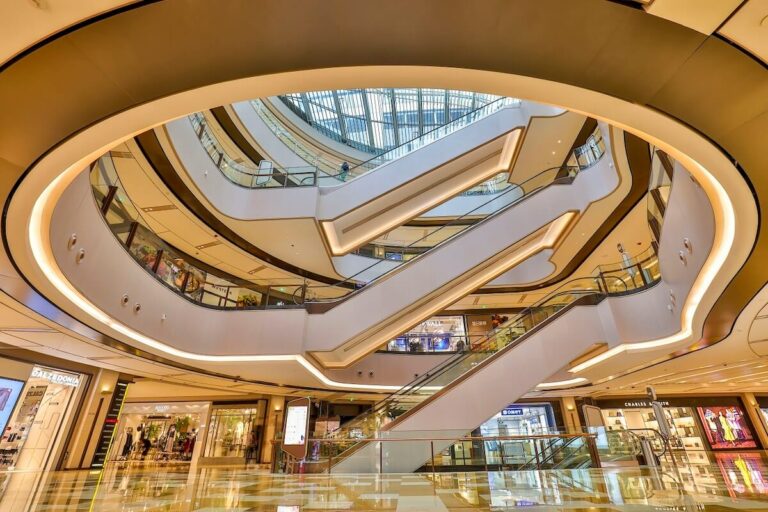
NikeSKIMS, Birkenstock and Starbucks Reserve chose HKRI Taikoo Hui for major China debuts. Why the Shanghai complex keeps winning new…
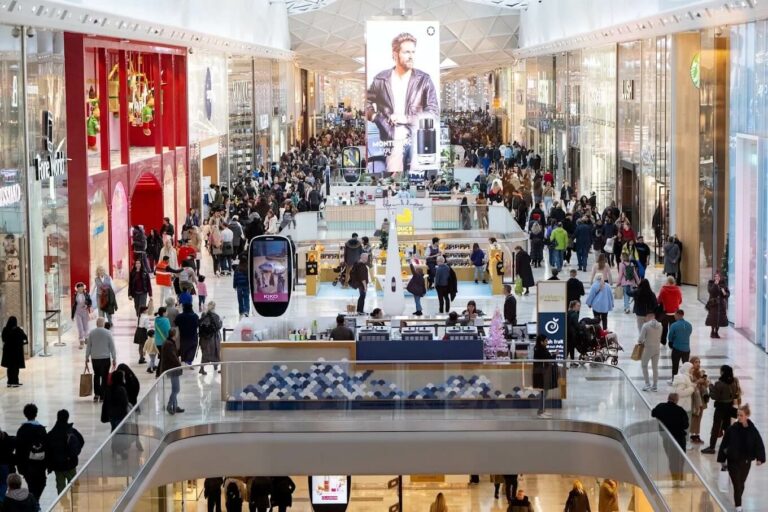
Bluewater opens its first new anchor since 1999. Next takes the former House of Fraser space with about 132,000 square…

Opening in IMAX 70mm on July 17, 2026: Christopher Nolan's The Odyssey. Select shows went on sale one year in…

European retail is scaling AI, agentic commerce and retail media, but consumer trust is becoming the constraint. Four structural shifts…
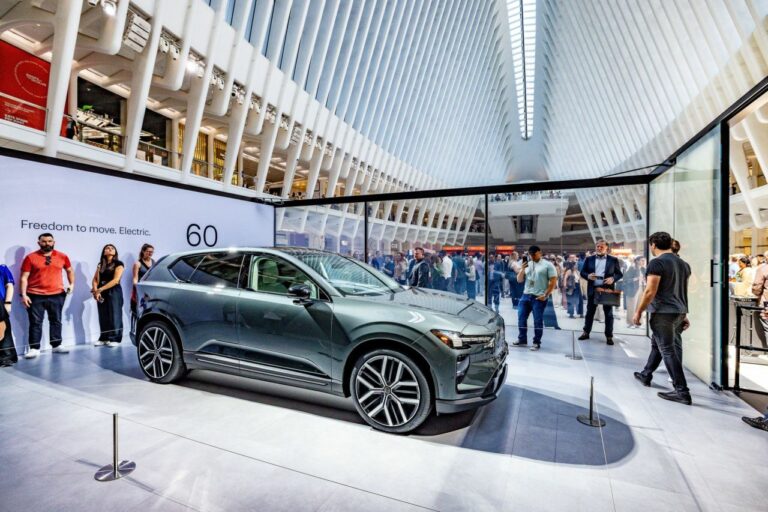
Mall operators are no longer leasing space for pop-ups. They are selling audience access.
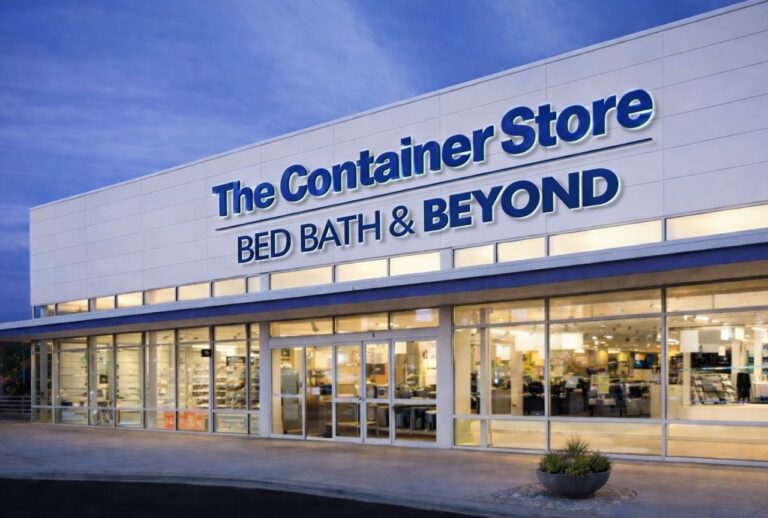
Physical stores still drive most retail sales, fulfill online orders, support AI shopping, and help brands return to market.
