
Westfield Group, owners and operators of 40 global shopping centers, has managed a testing lab within the Westfield San Francisco Center.
After
several years of testing, Westfield Labs is due to offer brands the
opportunity to rent small areas within a mall to test the different
types of technology.
In
a bid to attract the attention of the tech retail industry in San
Francisco, the lab initiated a project called Bespoke. This will
result in around 40000ft² being converted into an events, tech, and
co-working demonstration space during next year.
The
aim of this project is to reconsider the methods used by traditional
retailers in the group’s global shopping centers. Although
in-store shopping still makes up most of the retailers’ revenue,
ecommerce also adds to sales.
The
mall is also planning to pilot a Web and mobile food-ordering
service, which will allow nearby residents and office workers to
order food deliveries from the food court.
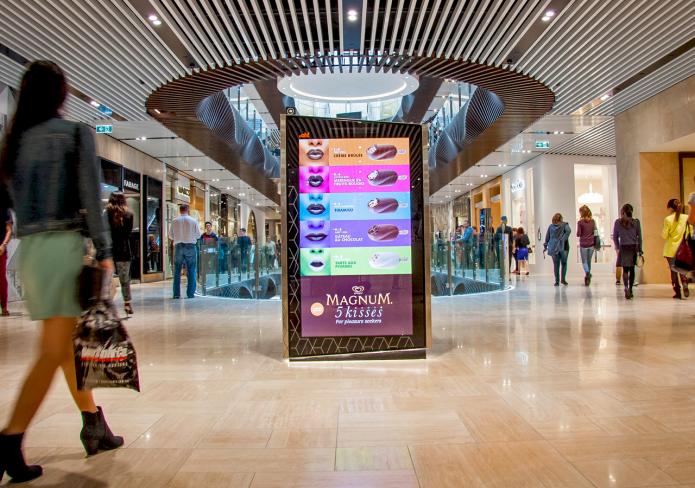
The
best hands-on project within the mall occurred during the last
holiday season when they partnered with eBay. Three 10-foot tall
glass screens were set up to allow shoppers to view in excess of 100
products from Toms Shoes, Rebecca Minkoff and Sony, and later
purchase it from a mobile device. The screens were located across
from the office of Westfield Labs, which allowed staff to view the
public’s reaction to the project from their desks.
Westfield
is moving its tech-heavy aspects to other shopping centers as well,
such as its new opening at New York’s World Trade Center,
incorporating 150 stores with all the digital add-ons.
Westfield
Labs will also implement seven-foot digital screens in its New Jersey
Garden State Plaza when it opens during March. Product images from
nearby stores will be displayed on the screens, with information for
shoppers on locating them. This time, however, the screens will not
allow shopping. Their previous experience with eBay indicated that
not many people made purchases at the point of viewing.
The
team at Westfield Labs has grown to around 70 people, with most
employed in San Francisco, but there are teams based in England and
Australia.
The vendors and deployments behind shopping advice, store navigation and retail operations, with a closer look at what it takes…
Miss A, Rowan and HEYTEA are on US mall opening lists in fall 2026. Their public records show what each…
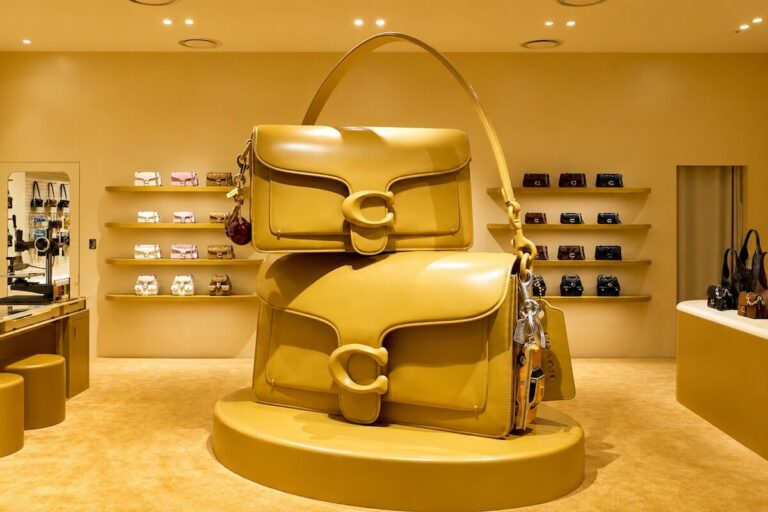
Gross margins and selected profit metrics for Coach, Pop Mart, lululemon, Miniso, Five Below, TJX and Costco, plus where each…
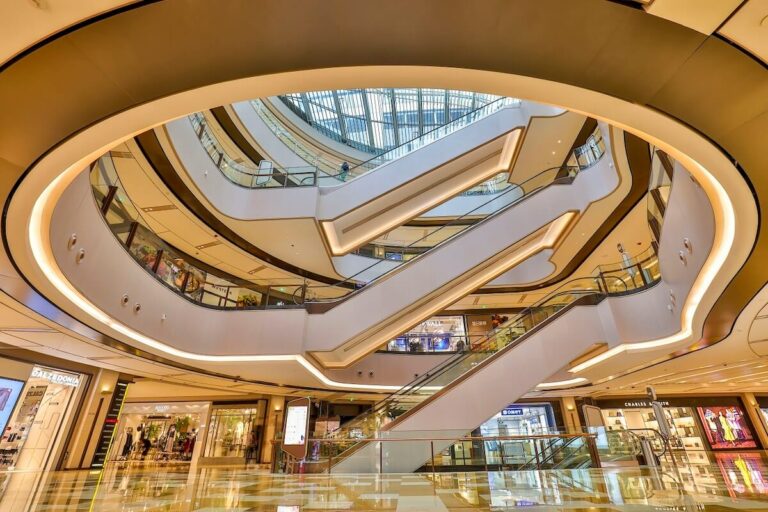
NikeSKIMS, Birkenstock and Starbucks Reserve chose HKRI Taikoo Hui for major China debuts. Why the Shanghai complex keeps winning new…
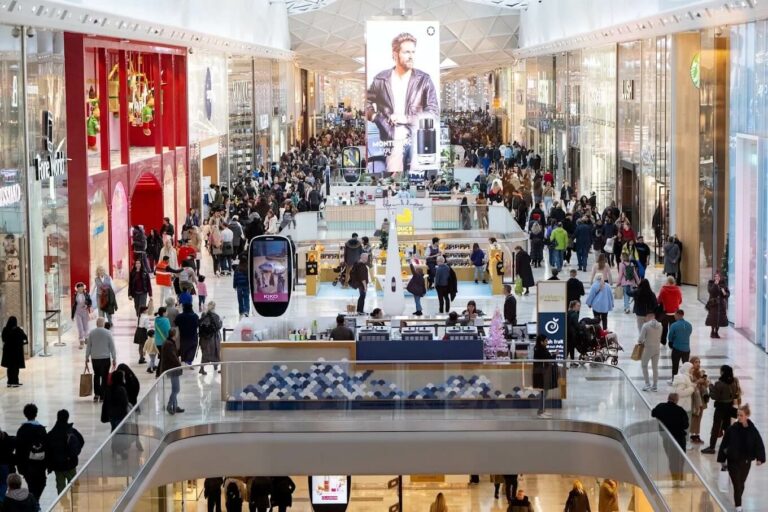
Bluewater opens its first new anchor since 1999. Next takes the former House of Fraser space with about 132,000 square…
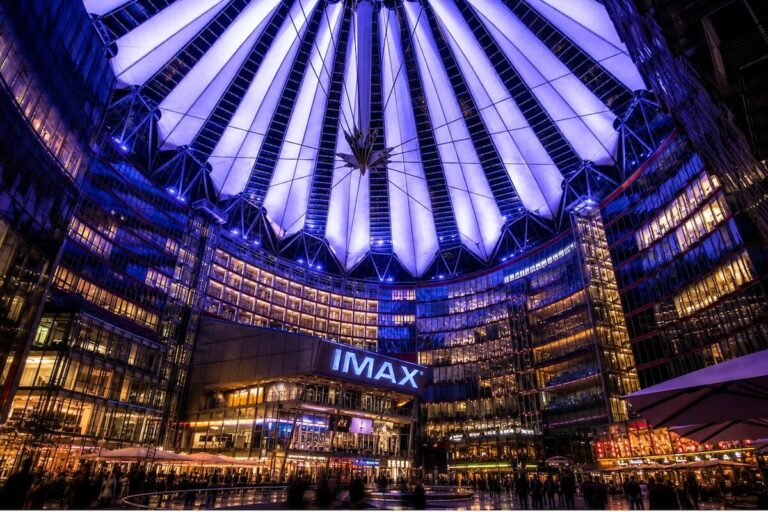
Opening in IMAX 70mm on July 17, 2026: Christopher Nolan's The Odyssey. Select shows went on sale one year in…
