
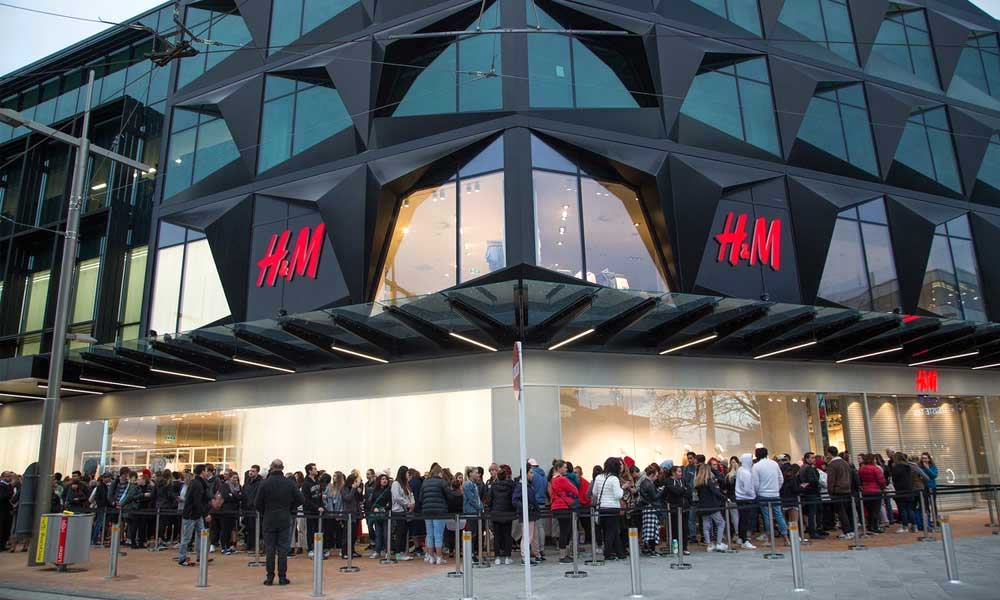
The Swedish group Hennes & Mauritz started an experiment in selling third-party branded products in the stores of H&M network.
For one of the world’s largest fashion retailers, this is a significant change in strategy, with the possibility of competing with online multi-brand stores such as Zalando and ASOS.
Previously, third party branded products were sold in H&M-controlled stores & Other Stories and Arket. H&M notes that the expansion of the offer and introduction of new brands will allow the company to attract new customers. Other details of the pilot project in the company are not disclosed yet.
“The main task is to supplement our offer with external brands. This way, we will bring more inspiration and energy, and we see more opportunities for growth and new customers,” H&M said in a statement on its website.
It should be noted that over the past three years, the profit of the world’s second-largest fashion retailer (H&M revenue is second only to Inditex) has been declining. And the main reason for the negative dynamics is the slowdown in sales in retail stores of H&M, which generate the primary revenue of the group. This week it became known that H&M sales in the third quarter of 2019 increased by 8%. The news had a positive impact on H&M stock quotations, although investors are still concerned about the latest operating results of the company, which keeps the retailer’s securities under pressure.
Among the large fashion retailers who switched to the multi-brand store model, the British company Next is particularly notable. Over the past ten years, the company’s website with a single brand has become a full-fledged aggregator for the sale of clothing, footwear, and household goods from various suppliers. Anyway, it is too early to talk about a full transition of H&M to a new model of development. The possibility of expanding the project to introduce new brands and products in the range of products in the company will be reported after the experiment.
European retail is scaling AI, agentic commerce and retail media, but consumer trust is becoming the constraint. Four structural shifts…
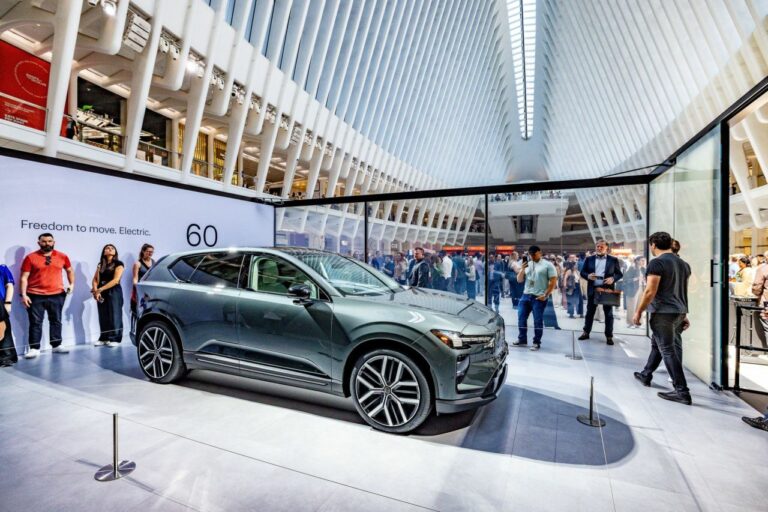
Mall operators are no longer leasing space for pop-ups. They are selling audience access.
Physical stores still drive most retail sales, fulfill online orders, support AI shopping, and help brands return to market.
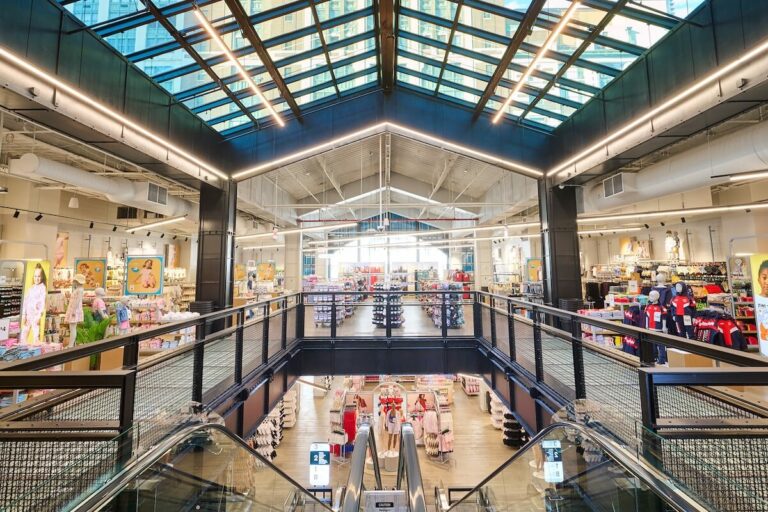
A practical guide to nine mall tenant formats in 2026, from flagships and pop-ups to anchor redevelopment and mixed-use retail.
1,051 of 1,173 US malls hold zero ultra-luxury brands. Half of all Cartier, Chanel, Hermès, and Louis Vuitton mall stores…
Every physical expansion decision starts with the same question: where does the store go?
Verified signals on brand expansion, store openings, and mall development. Free.
Free · No credit card · Unsubscribe any time
