
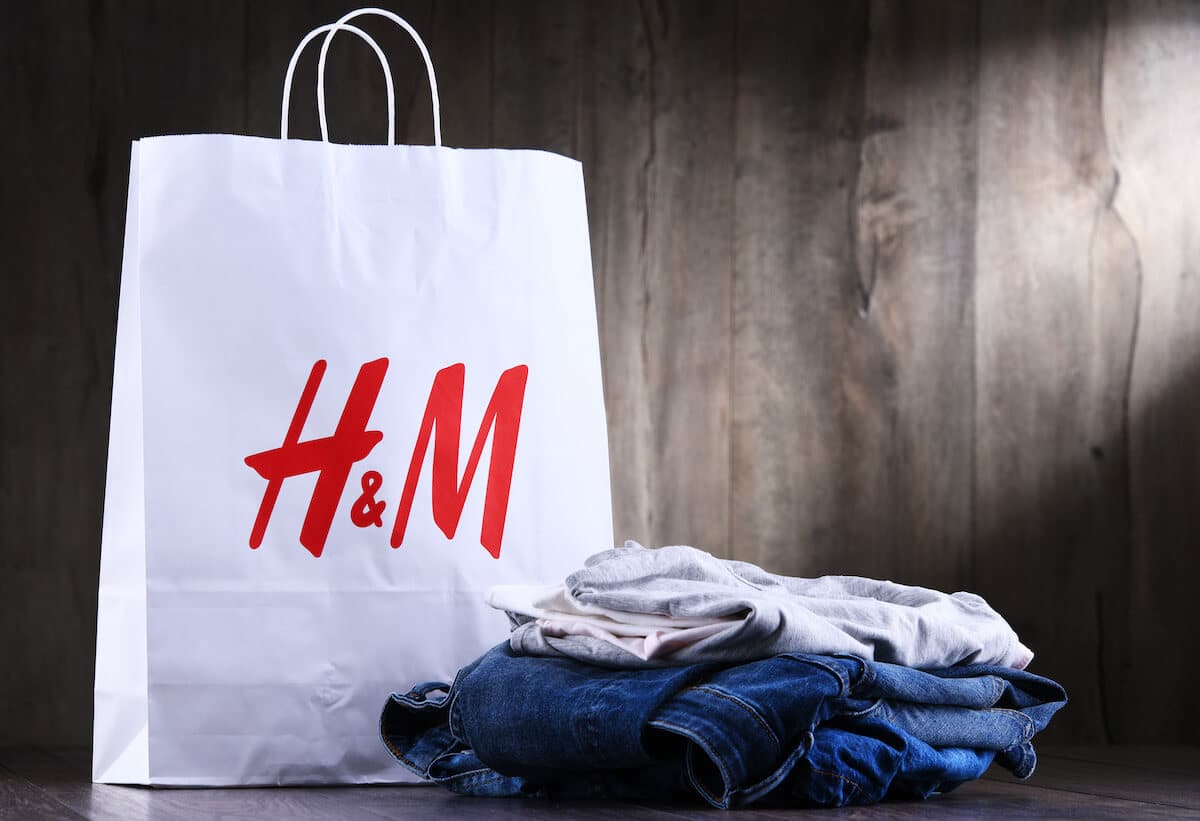
Sellpy’s online stores focus on eco-friendly fashion and are popular with the younger generation.
Sellpy, the online second-hand store owned by Swedish retailer H&M, has announced a significant expansion. The network of online second-hand stores will start operating in 20 European countries.
The popularity of the online marketplace for second-hand goods is because more and more customers, especially among the younger generation, are thinking about the negative consequences of “fast fashion.” Fashionistas and fashionistas prefer second-hand clothes of good quality because this approach allows them to care about the environment. The cost of products is usually lower than their newer counterparts of the same brands.
Sellpy began operations in 2014 in Sweden, and after the expansion, the number of markets in which the online store is represented will reach 24. A unique feature of the startup is that the platform itself takes care of the entire process of selling used clothing, from receiving the goods from sellers to photographing, marketing, and shipping. In 2015, Sellpy was acquired by Swedish retailer H&M, which was already experiencing declining sales and was looking for new sources of revenue. As a result, the company invested about $24 million in Sellpy and owned a 70% stake in the startup.
According to Sellpy’s head of development Gustav Wessman, “Every used item purchased saves resources for our planet. Demand in our new markets is overgrowing.” The company also emphasizes in its expansion announcement that the second-hand market is one of the fastest-growing segments of the fashion industry today.
Photo credit: depositphotos.com.

European retail is scaling AI, agentic commerce and retail media, but consumer trust is becoming the constraint. Four structural shifts…

Mall operators are no longer leasing space for pop-ups. They are selling audience access.
Physical stores still drive most retail sales, fulfill online orders, support AI shopping, and help brands return to market.
A practical guide to nine mall tenant formats in 2026, from flagships and pop-ups to anchor redevelopment and mixed-use retail.
1,051 of 1,173 US malls hold zero ultra-luxury brands. Half of all Cartier, Chanel, Hermès, and Louis Vuitton mall stores…

Every physical expansion decision starts with the same question: where does the store go?
Verified signals on brand expansion, store openings, and mall development. Free.
Free · No credit card · Unsubscribe any time
