

A unique textile processing device, called Looop, can create new things from the old ones.
This machine has already been installed in the company’s brand store located in Stockholm. Externally it looks like a transparent transport container, i.e., visitors can see what is happening inside, where unique mechanisms clean and shred old clothes – from which yarn is then created. Then, sweaters or scarves are knitted from the received yarn.
Looop does not use water and does not use chemicals, i.e., its impact on the environment is minimal. Anyone can use the services of the machine. For this, you need to pay $16, and if you are a member of the H&M loyalty program, $11. The process of creating something new takes about 5 hours.
The company notes that Looop was created to show visitors the recycling procedure, to interest them in creating new things from the old ones, instead of just throwing the latter in the trash. Given the volume of clothing produced today, machines like Looop are not enough to make recycling on an industrial scale. H&M alone has accumulated an unsold stock of about $4.3 billion.
To date, about 87% of old clothes are thrown away or burned. Another 12% is recycled for insulation or stuffing for mattresses. And only 1% of the old things are created by new ones. All of this would mean significant damage to the environment.
Earlier, H&M representatives said that the company plans to switch to environmentally friendly materials by 2030 entirely. To date, their share in the company’s production processes is 57%.
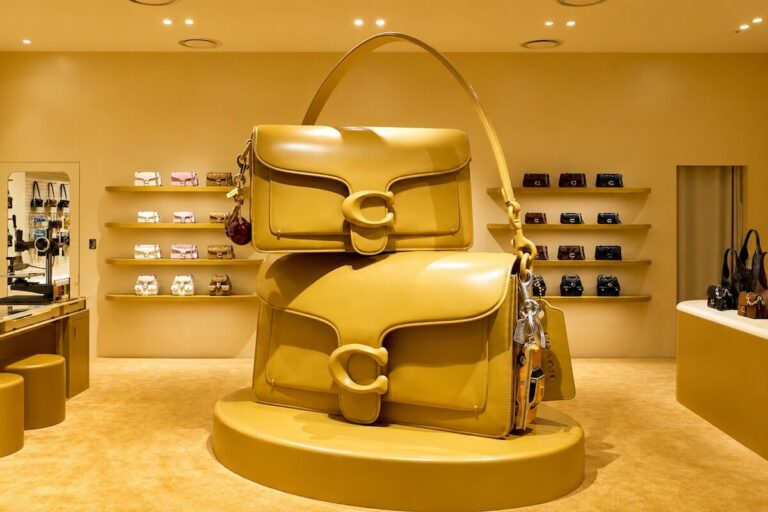
Gross margins and selected profit metrics for Coach, Pop Mart, lululemon, Miniso, Five Below, TJX and Costco, plus where each…
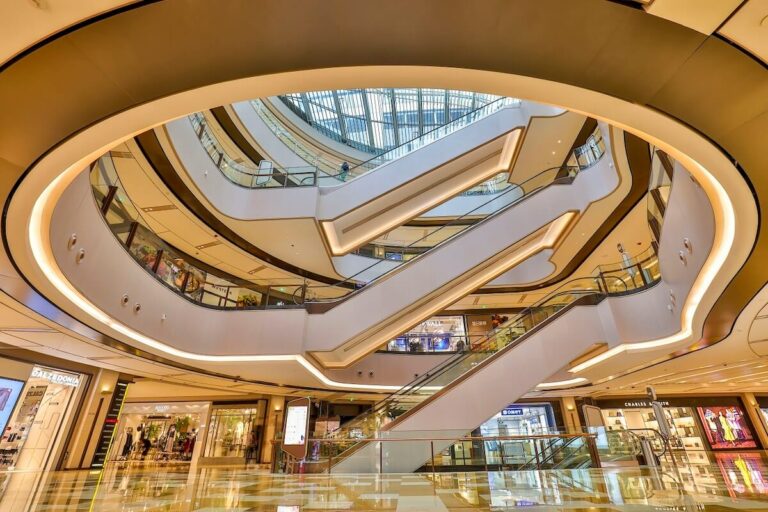
NikeSKIMS, Birkenstock and Starbucks Reserve chose HKRI Taikoo Hui for major China debuts. Why the Shanghai complex keeps winning new…
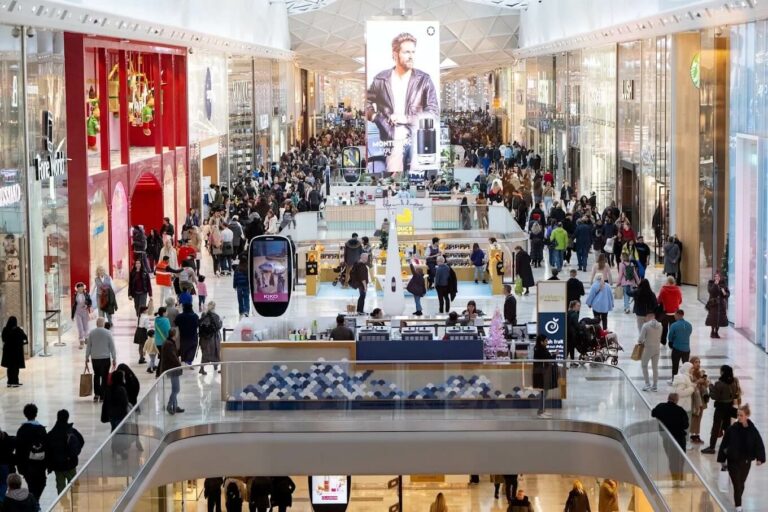
Bluewater opens its first new anchor since 1999. Next takes the former House of Fraser space with about 132,000 square…
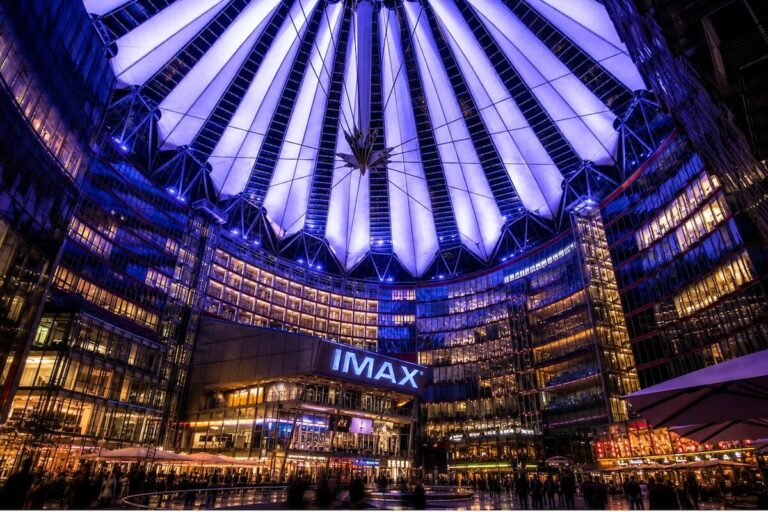
Opening in IMAX 70mm on July 17, 2026: Christopher Nolan's The Odyssey. Select shows went on sale one year in…

European retail is scaling AI, agentic commerce and retail media, but consumer trust is becoming the constraint. Four structural shifts…

Mall operators are no longer leasing space for pop-ups. They are selling audience access.
