Marc Heller, president of leading commercial lending and leasing services provider CIT Commercial Services, has shared numerous insights on the state of the retail industry in “E-commerce Drives Retail Revolution,” the latest piece of market intelligence from CIT Group. He touches on numerous topics in the report, including one of the most sought-after demographics in […]
Marc Heller, president of leading commercial lending and leasing services provider CIT Commercial Services, has shared numerous insights on the state of the retail industry in “E-commerce Drives Retail Revolution,” the latest piece of market intelligence from CIT Group. He touches on numerous topics in the report, including one of the most sought-after demographics in nearly every industry.
“In apparel, millennials and teen consumers have different buying habits than their parents, which is reflected in millennials’ preference for ‘buying’ one specific item, even when at a mall or a store, rather than ‘shopping’ for multiple items. This difference can be attributed to the fact that millennials are often accustomed to buying a specific item online rather than browsing for items in multiple stores.
Consumers whose shopping behavior was established before the rise of e-commerce could be more likely to browse through a store or a mall, leading to the discovery of new items and greater sales,” he says in the report.
The report from CIT confirms some of the trends that have become prevalent in 2016, namely the closing of unprofitable locations by major retailers that are attempting to cut their losses, and the continued adoption of e-commerce as a means of closing the gap with internet-based retailers.
The CIT Group also confirms the shift in consumer preferences as a whole. Increasingly, consumers are looking for experiences as opposed to just simple grab and go shopping experiences. Apparel and accessories spending has slowed, while spending in the areas of dining, vacation and health spas are on the upswing.
One bright spot that continues to shine through is the furniture sector, but a potential trouble spot is on the horizon. Overseas manufacturers are considering implementing a direct to retail model, bypassing U.S. furniture companies in the process. If that comes to pass, the bright spot in the industry would quickly become full of clouds.
Finally, activity on the mergers and acquisitions front continues to be strong for consumer product companies. Those that sell directly to retail are looking to acquire scale at the front and back end by acquiring other business, which can be a boon to the bottom line in the long run if the merger goes through at the right price.
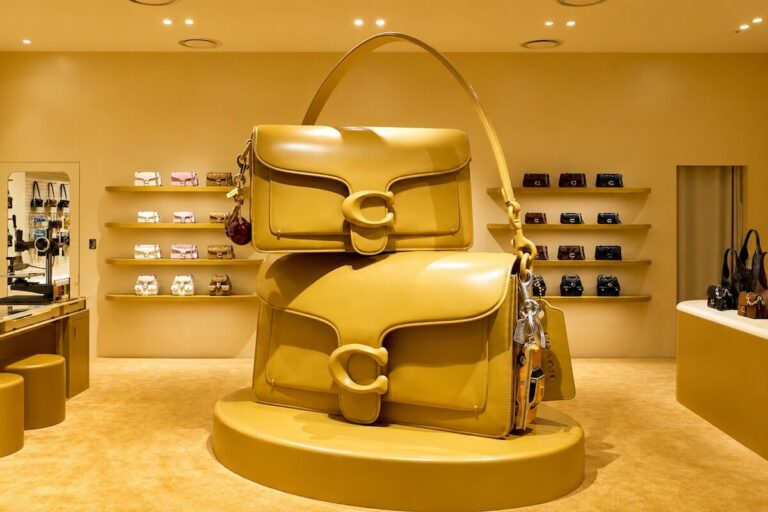
Gross margins and selected profit metrics for Coach, Pop Mart, lululemon, Miniso, Five Below, TJX and Costco, plus where each…
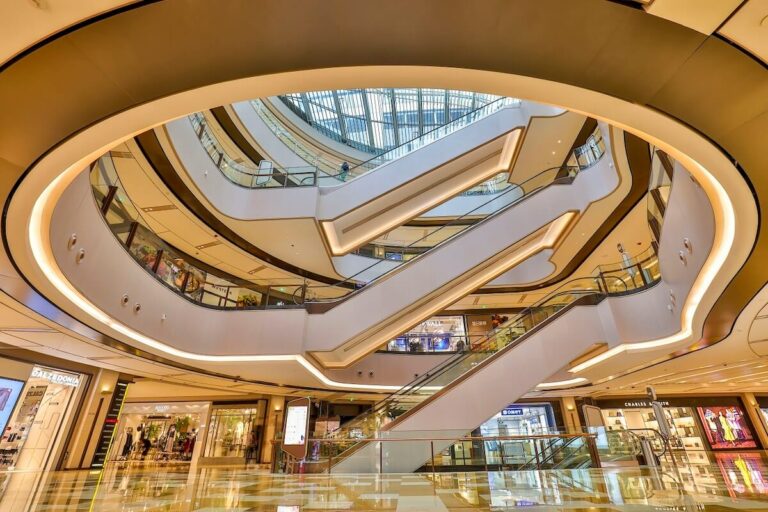
NikeSKIMS, Birkenstock and Starbucks Reserve chose HKRI Taikoo Hui for major China debuts. Why the Shanghai complex keeps winning new…
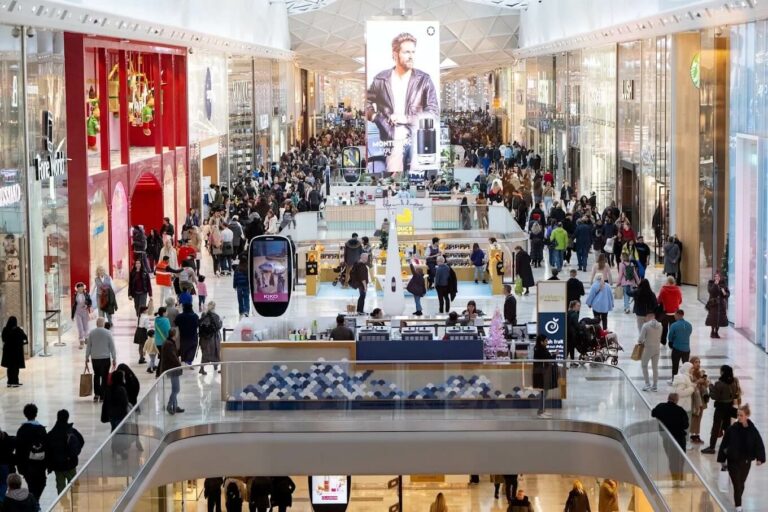
Bluewater opens its first new anchor since 1999. Next takes the former House of Fraser space with about 132,000 square…

Opening in IMAX 70mm on July 17, 2026: Christopher Nolan's The Odyssey. Select shows went on sale one year in…

European retail is scaling AI, agentic commerce and retail media, but consumer trust is becoming the constraint. Four structural shifts…

Mall operators are no longer leasing space for pop-ups. They are selling audience access.