

The fast-food restaurant chain will redesign several restaurants to match growing online sales.
New technologies are bringing changes to traditional ways of organizing restaurants. American chain Chipotle Mexican Grill announced that growing online sales led to the need to redesign existing restaurants and adapt them to the new realities.
Restaurants in Chicago, Cincinnati, Phoenix, Newport Beach, and San Diego will participate in the testing of new formats. New design features will include order picking windows, no need for customers to go inside the restaurant, and different ways of seating. Also, the company will continue to experiment with unique shelves from which customers will be able to pick up ordered food and “Chipotlane” – dedicated driveways for receiving orders from passing cars.
Chipotle experts will evaluate each test option based on sales volumes, customer feedback, and the ability of the individual restaurant to flexibly change the menu. And then it will be decided which option will be accepted for all American restaurants in the chain.
According to the company’s reports, in the third fiscal quarter of 2019 alone, Chipotle online sales grew 87.9%, which is almost a fifth of total sales. To support this growth, physical restaurants will also inevitably change and introduce innovative features and design solutions.
It is not the first step by Chipotle to expand its digital business. From 2016, all restaurants in the chain began to be equipped with separate lines in the kitchen that served online orders, and this process was completed in 2019. And by 2020, it is planned to open about 150-165 new restaurants, and half of them will be initially equipped with “Chipotlane”.
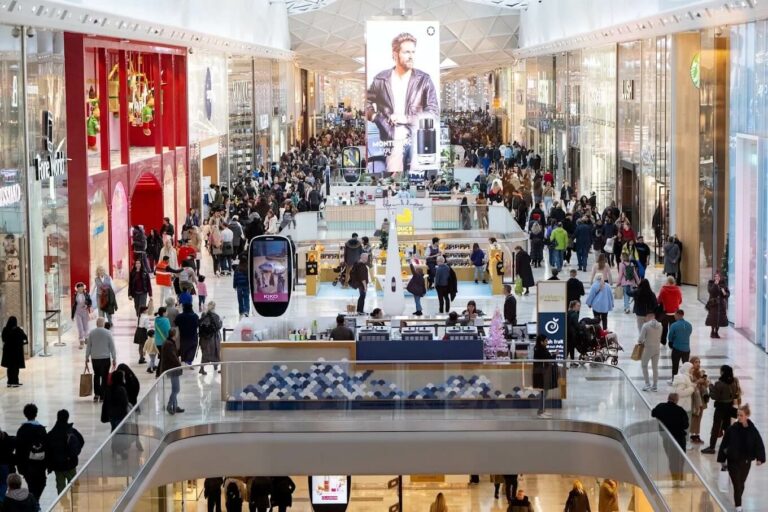
Bluewater opens its first new anchor since 1999. Next takes the former House of Fraser space with about 132,000 square…
Opening in IMAX 70mm on July 17, 2026: Christopher Nolan's The Odyssey. Select shows went on sale one year in…
European retail is scaling AI, agentic commerce and retail media, but consumer trust is becoming the constraint. Four structural shifts…
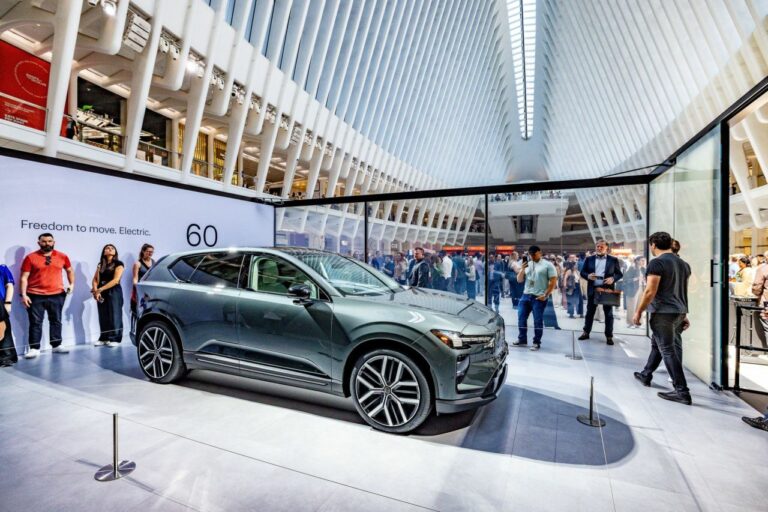
Mall operators are no longer leasing space for pop-ups. They are selling audience access.
Physical stores still drive most retail sales, fulfill online orders, support AI shopping, and help brands return to market.
A practical guide to nine mall tenant formats in 2026, from flagships and pop-ups to anchor redevelopment and mixed-use retail.
Verified signals on brand expansion, store openings, and mall development. Free.
Free · No credit card · Unsubscribe any time
