

British luxury retailer Burberry reopened its flagship store on New Bond Street in London.
British luxury retailer Burberry reopened its flagship store on New Bond Street in London. The flagship had been under renovation for two years. The brand introduced its most modern concept in the new format, first tested in Knightsbridge in 2021.
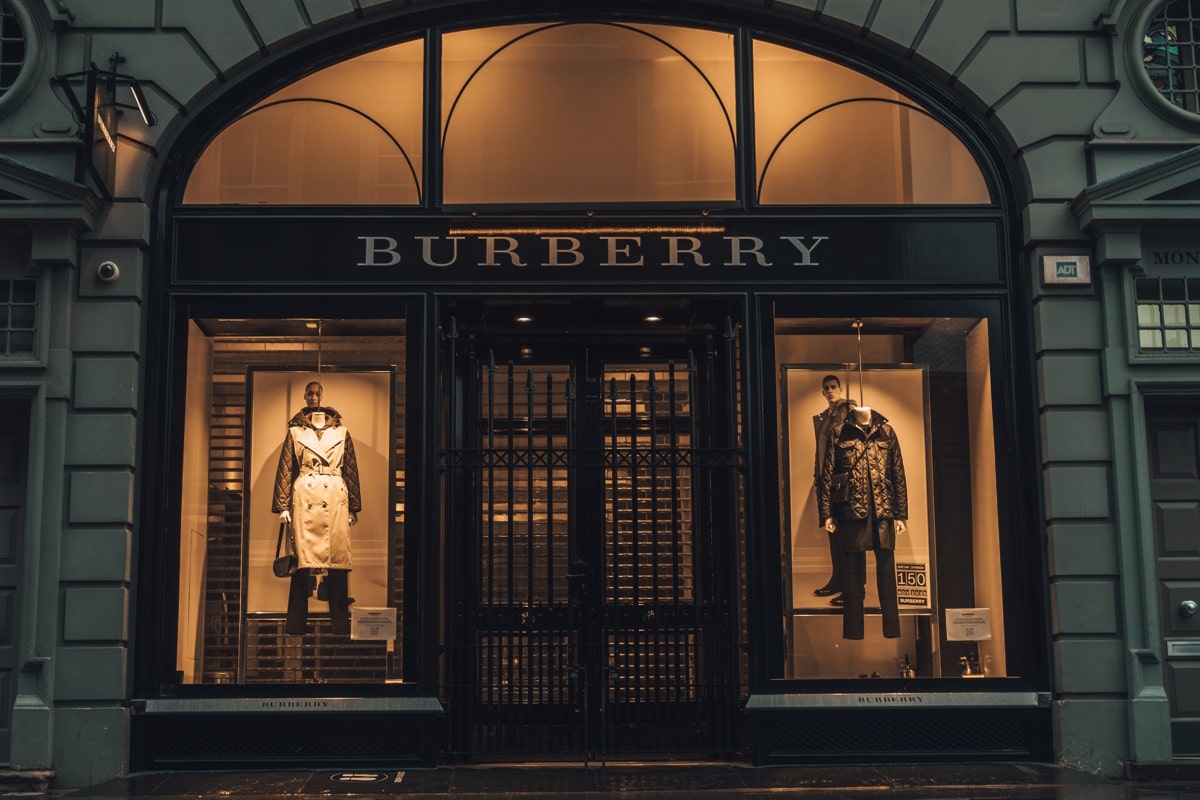
“This is Burberry’s anchor store and destination, and because of the location, the focus is on elevation, service and luxury,” said Burberry CEO Jonathan Akeroyd. With the opening of the new store, Burberry will focus more on developing “a high-end customer base that has really grown a lot in the last year or so.”
According to Akeroyd, it’s now about spending as much time as possible with the customer. “Our teams are completely customer-focused, and we’re going to have special people here for more premium service, too,” he added.
The new three-story Burberry flagship has a total area of about 22,000 square feet. The space is decorated with sculpted wood furniture with mid-century modern notes, and the main actors in the store are the products themselves.
An accessories department is open on the first floor of the flagship, with menswear on the lower floor and womenswear on the upper floor. All the spaces have separate VIP areas with small bars and butler service. The space also has a “library” of trench coats, featuring a wide range of the brand’s offerings and bespoke options.
Earlier it was reported that Burberry will spend about £120 million to accelerate the store renovation program. The company plans to renovate about 55 stores by the end of fiscal year 2024. So far about 30 percent of its stores have been refurbished, including Shanghai’s Plaza 66 and Paris’s Rue Saint-Honoré. New updates include planned stores in New York, Los Angeles and Tokyo.
European retail is scaling AI, agentic commerce and retail media, but consumer trust is becoming the constraint. Four structural shifts…
Mall operators are no longer leasing space for pop-ups. They are selling audience access.
Physical stores still drive most retail sales, fulfill online orders, support AI shopping, and help brands return to market.
A practical guide to nine mall tenant formats in 2026, from flagships and pop-ups to anchor redevelopment and mixed-use retail.
1,051 of 1,173 US malls hold zero ultra-luxury brands. Half of all Cartier, Chanel, Hermès, and Louis Vuitton mall stores…
Every physical expansion decision starts with the same question: where does the store go?
Verified signals on brand expansion, store openings, and mall development. Free.
Free · No credit card · Unsubscribe any time
Billed annually · View full comparison · Payment via invoice or PayPal
