
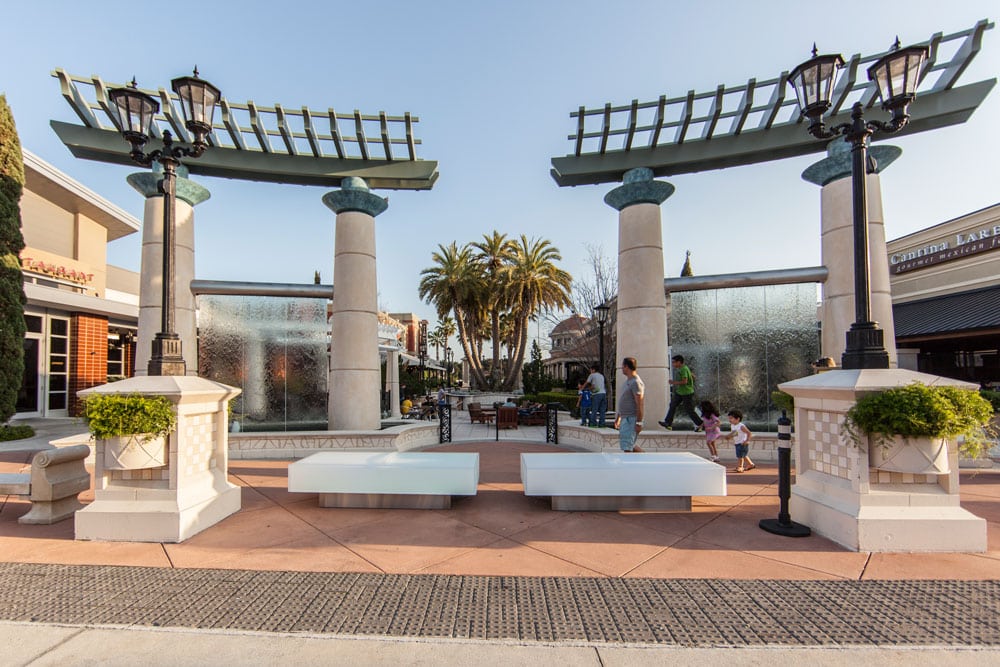
Lifestyle centers are becoming extremely popular among shoppers and developers.
Are these centers, promoted as community-oriented alternatives to older shopping malls merely a new retail outlook?
According to the International Council of Shopping Centers, these new-look centers are classified as “specialized centers”, which offers visitors top of the range specialty stores, along with entertainment and dining options within an outdoor setting. It is also described as multi-purpose leisure destinations, with entertainment, restaurants and amenities and ambiance that are suitable for casual browsing.
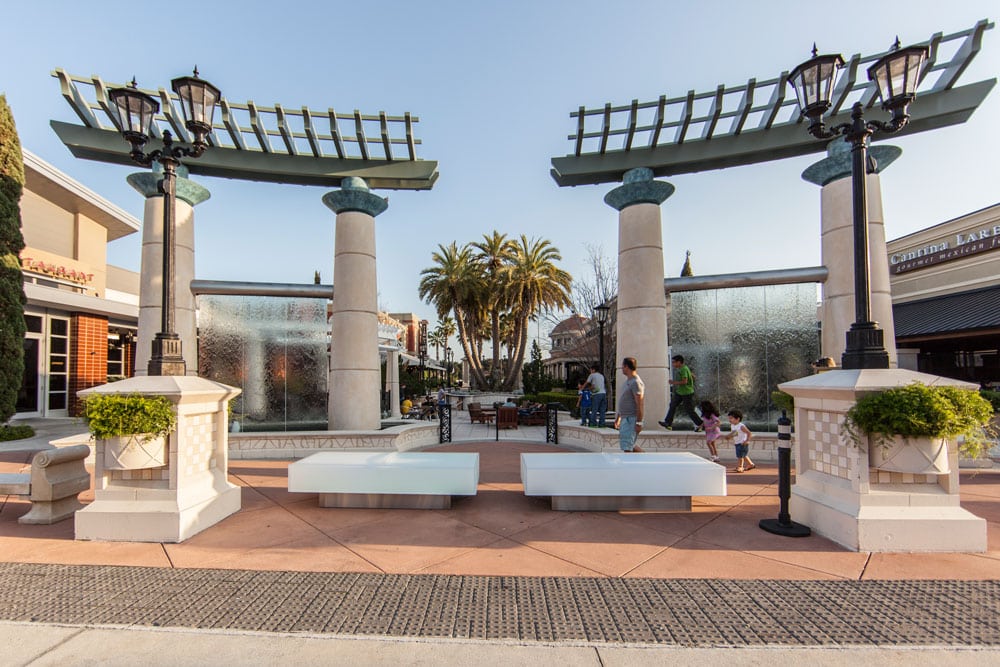
This description sounds very much like the traditional mall, however, there are distinct differences. Traditional malls generally have department store anchors, like Sears and Macy’s, but lifestyle centers are usually anchored by huge specialty stores, such as Pottery Barn and Crate & Barrel, or by movie theaters. Lifestyle malls are also normally much smaller than regional malls.
It is estimated that around 412 of these centers exist within the US today.
Lifestyle malls have shifted focus from exciting architecture to comfort architecture, with attention being focused on the detail of the design, such as lighting and signage. Many lifestyle malls are designed to include certain historical elements to give it the appearance of having evolved over time.
These centers may be based on the idea of Victor Gruen, a Jewish architect from Vienna who immigrated to the US. His vision was to bring a community feel back to suburbs that appeared soulless. His first mall, Southdale Center in Minneapolis, proved to be a success, with 75000 visitors on its first business day.
People eventually became bored with the same type of mall, surrounded by miles of asphalt parking. As malls became bigger, its size would often intimidate shoppers. These blank, dull malls have been replaced by lifestyle centers, which normally appeal to the community, are smaller, hence create a more intimate environment.
Lifestyle centers have been created to try and eradicate the rush in everyday life, however, we must bear in mind that at the core of it all, the aim is to make a profit and these centers will ultimately build a new foundation for commercialism.
Gross margins and selected profit metrics for Coach, Pop Mart, lululemon, Miniso, Five Below, TJX and Costco, plus where each…
NikeSKIMS, Birkenstock and Starbucks Reserve chose HKRI Taikoo Hui for major China debuts. Why the Shanghai complex keeps winning new…
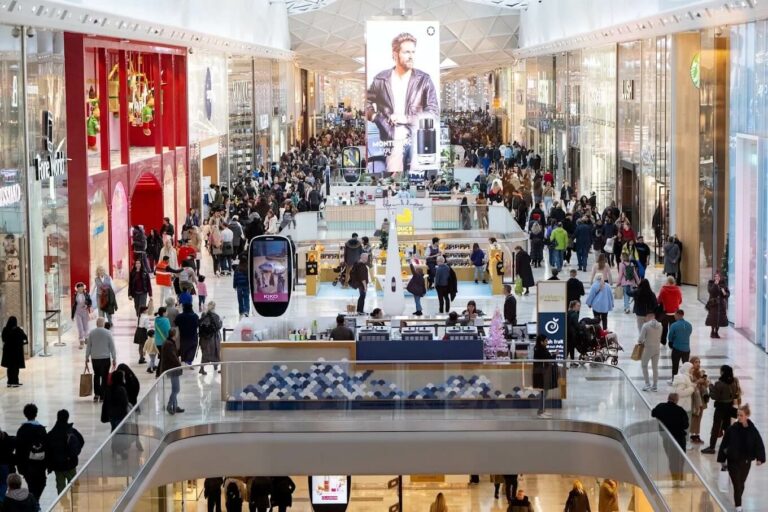
Bluewater opens its first new anchor since 1999. Next takes the former House of Fraser space with about 132,000 square…
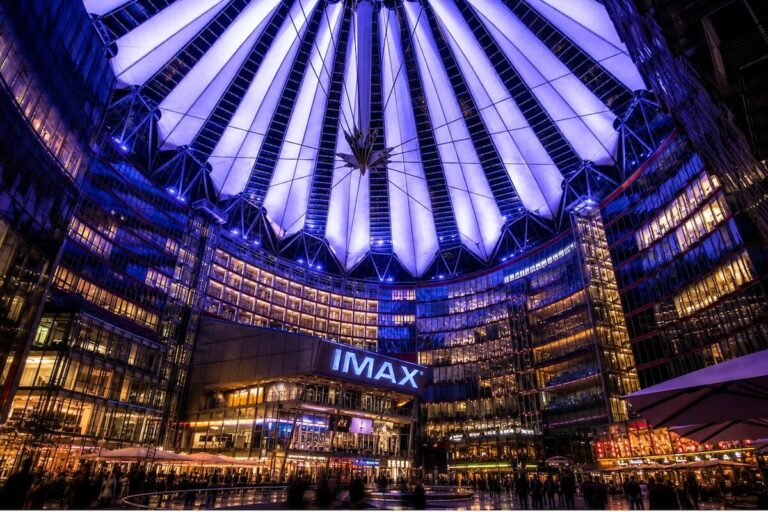
Opening in IMAX 70mm on July 17, 2026: Christopher Nolan's The Odyssey. Select shows went on sale one year in…

European retail is scaling AI, agentic commerce and retail media, but consumer trust is becoming the constraint. Four structural shifts…
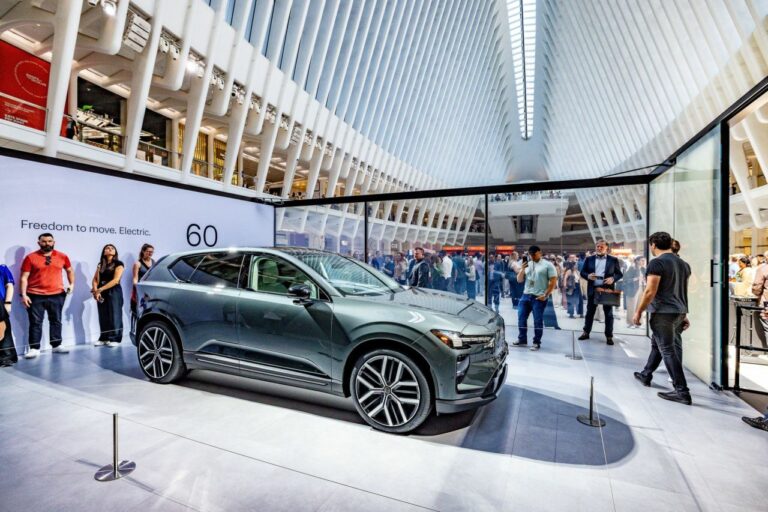
Mall operators are no longer leasing space for pop-ups. They are selling audience access.
