
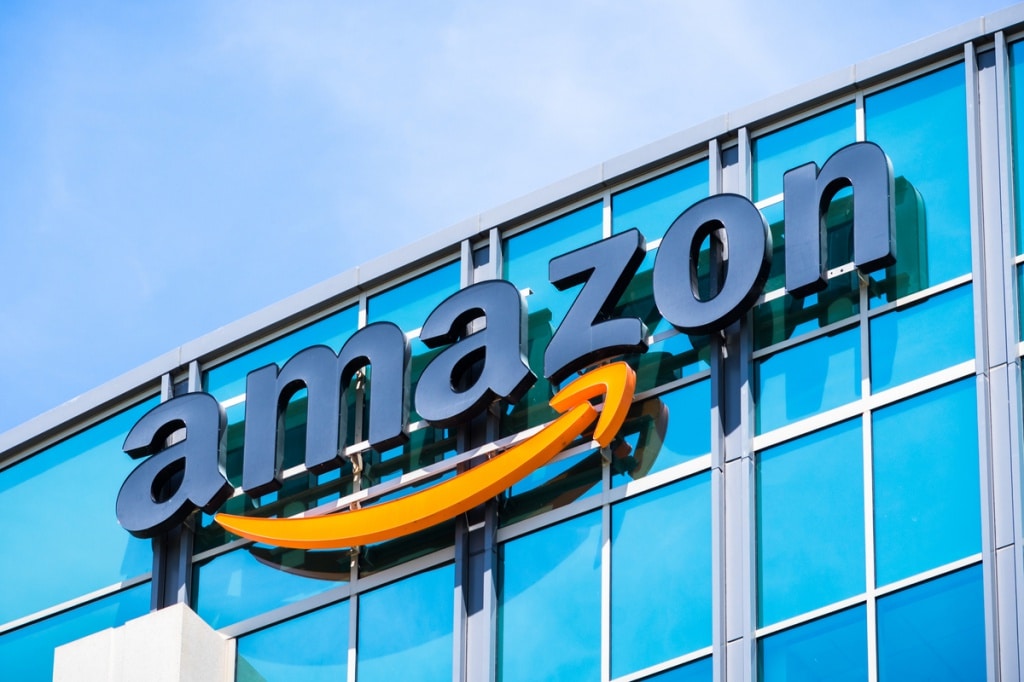
Amazon, the largest Internet retailer, plans to use the space in the shopping malls for order distribution points.
The largest Internet retailer Amazon plans to buy some of the space in the U.S. shopping centers and use them as their points of delivery. According to The Wall Street Journal, the Internet giant is currently negotiating with one of the largest owners of retail real estate Simon Property Group.
As part of the deal, Amazon may acquire ownership of the premises previously leased by J.C. Penney Sears. Simon’s portfolio includes more than 70 retail outlets, which were released after the retailers’ bankruptcy. In their place, Amazon expects to launch a network of processing and ordering centers.
At the end of the second quarter of 2020, when a significant portion of retail facilities was closed worldwide due to quarantine, Amazon has increased revenue by 40% year-on-year to $ 88.9 billion. The company’s net profit reached $5.2 billion, doubling. The market capitalization of Amazon has exceeded the mark of $1.5 trillion, with Jeff Bezos estimated at $180 billion.
Market participants note that the wave of bankruptcies in the U.S. retail market has led to significant losses of fees for Simon. He may be interested in letting the area even at much lower rates. Due to the crisis in the retail and shopping center market, the company’s shares have fallen in price by 60% since the beginning of the year.
For Amazon, it may be a simple and profitable solution for the company to develop an inexpensive “last mile” delivery route to its customers. Last year the company’s division delivered a record 5.2 billion orders to the U.S. How many spaces in shopping malls Amazon can buy to develop a network of delivery points is not yet reported.
Gross margins and selected profit metrics for Coach, Pop Mart, lululemon, Miniso, Five Below, TJX and Costco, plus where each…
NikeSKIMS, Birkenstock and Starbucks Reserve chose HKRI Taikoo Hui for major China debuts. Why the Shanghai complex keeps winning new…
Bluewater opens its first new anchor since 1999. Next takes the former House of Fraser space with about 132,000 square…
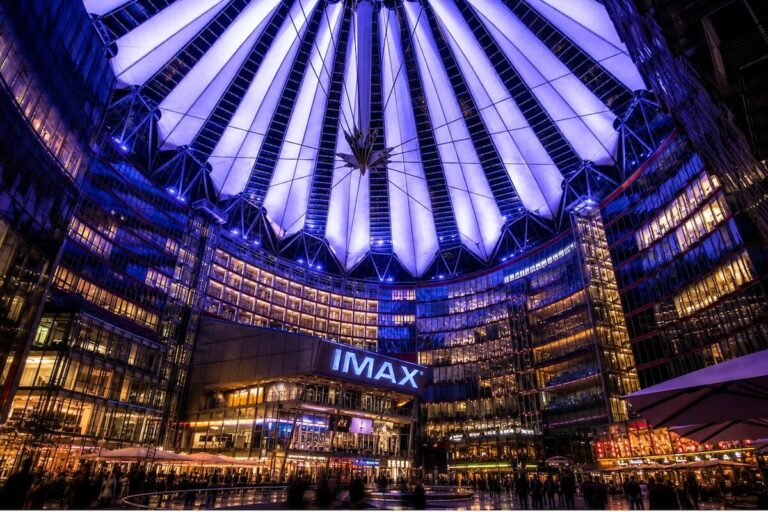
Opening in IMAX 70mm on July 17, 2026: Christopher Nolan's The Odyssey. Select shows went on sale one year in…
European retail is scaling AI, agentic commerce and retail media, but consumer trust is becoming the constraint. Four structural shifts…
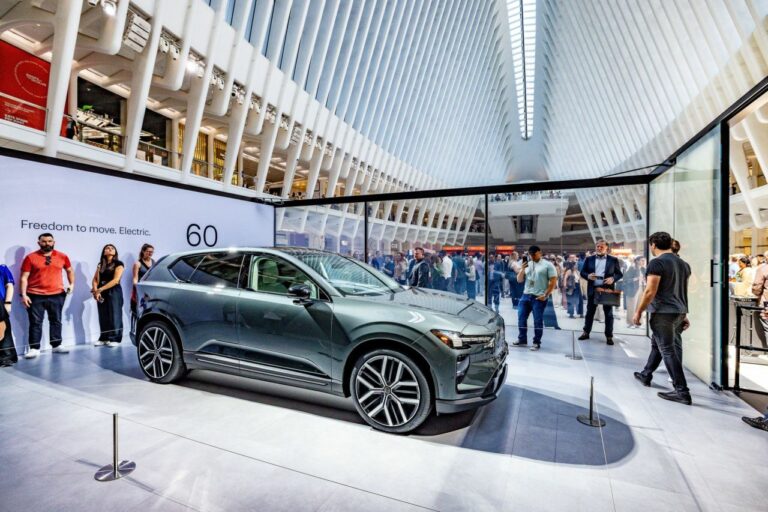
Mall operators are no longer leasing space for pop-ups. They are selling audience access.
