

The new categories allowed Lululemon to increase sales significantly.
Thanks to the expansion of the range of products and intelligent marketing, the income of Lululemon in the second quarter significantly exceeded the expectations of analysts. Revenues in North America grew by 21%. The company’s profit increased by 22%, reaching 883.35 million dollars (a year ago – $723.5 million) and surpassing the expectations of analysts, who predicted the number of 846.83 million dollars. At the same time, the company plans to quadruple its international revenue by 2023.
The company has also improved its annual forecast. General Director Calvin McDonald said he sees an “impressive runway” ahead, thanks to the fact that Lululemon continues to move into new categories.
Sales of men’s clothing, which became a key driver of growth, grew by 35%, surpassing those of women’s clothing. Sales growth and the expansion of the digital business contributed to it. Customers can now order what they want from Lululemon’s website and then pick it up from virtually any store in the company. Previously, this feature was only available in some stores. The company said it expects a double increase in online sales of men’s clothing, as well as clothing for teenagers.
Earlier this summer, the company opened its largest store in Chicago and plans to continue opening more and more new outlets, of which today there are already 460. It is the part of a growth strategy that also includes the introduction of new categories such as body care products.
After the company announced record results, its shares rose in price by 5%. At the same time, Lululemon shares grew by more than 54% this year.
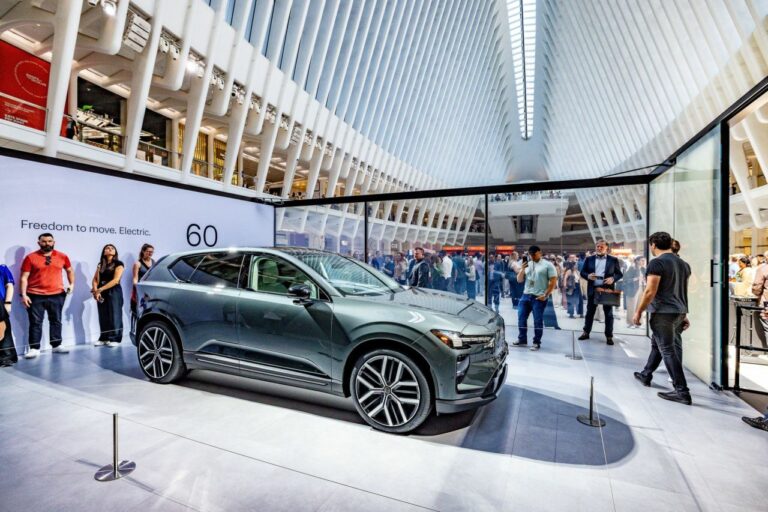
Mall operators are no longer leasing space for pop-ups. They are selling audience access.
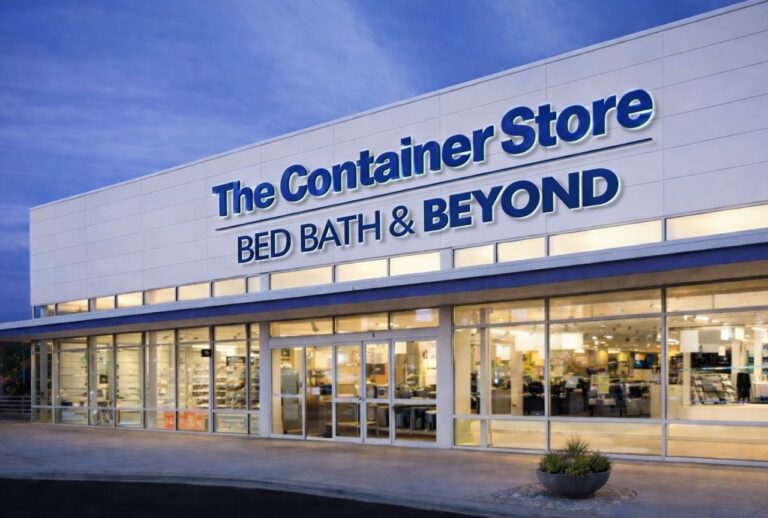
Physical stores still drive most retail sales, fulfill online orders, support AI shopping, and help brands return to market.
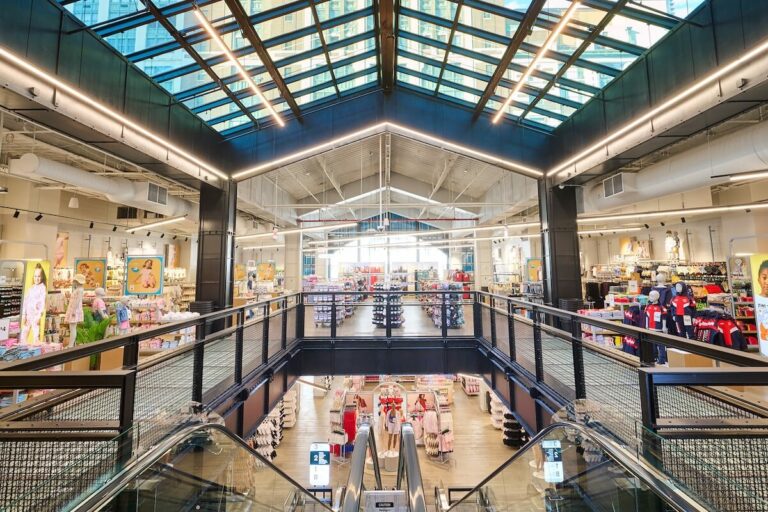
A practical guide to nine mall tenant formats in 2026, from flagships and pop-ups to anchor redevelopment and mixed-use retail.
1,051 of 1,173 US malls hold zero ultra-luxury brands. Half of all Cartier, Chanel, Hermès, and Louis Vuitton mall stores…

Every physical expansion decision starts with the same question: where does the store go?
900 malls remain in the United States. The top 100 account for half the sector's value.
Verified signals on brand expansion, store openings, and mall development. Free.
Free · No credit card · Unsubscribe any time
Billed annually · View full comparison · Payment via invoice or PayPal
