

The collapse of Wilko will be the largest such event in the UK in recent years.
British retailer Wilko, which earlier faced the threat of bankruptcy, will close all stores of the chain by the beginning of October, as a result of which more than 12 thousand company employees may be out of work.
In August, after the failure of negotiations with potential buyers of the business, Wilko went under the external management of administrators from PwC. Still, they managed to find a new owner for only 51 stores out of more than 400 – due to a deal worth 13 million pounds ($16.3 million) part of the outlet’s acquired retailer B&M.
The collapse of Wilko will be the largest such event in the UK in recent years after the bankruptcy of Arcadia Group (owner of brands Topshop, Burton, Dorothy Perkins, etc.) and a network of department stores Debenhams.
Wilko started in 1930 with a hardware store in Leicester. Over 93 years, the chain has grown to hundreds of locations nationwide, offering various household products at affordable prices.
The company has experienced increasing competition recently, resulting in declining sales and exacerbated by other financial difficulties and high inflation. Wilko posted a pre-tax loss of 36 million pounds for 2022.
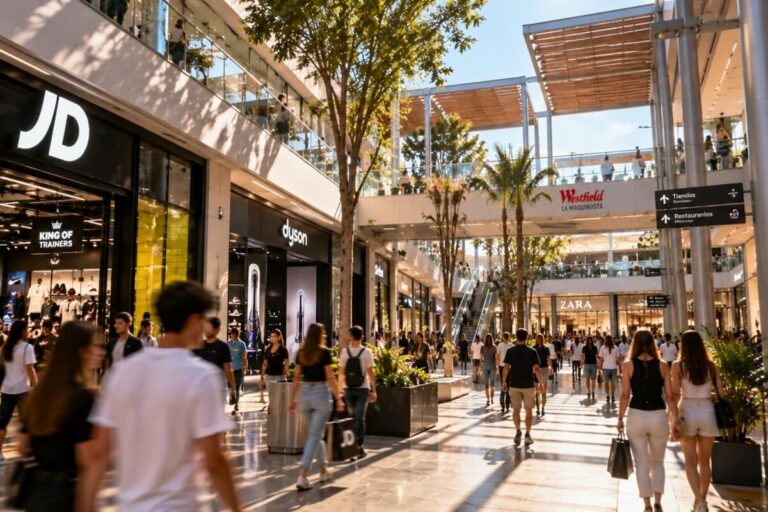
The vendors and deployments behind shopping advice, store navigation and retail operations, with a closer look at what it takes…
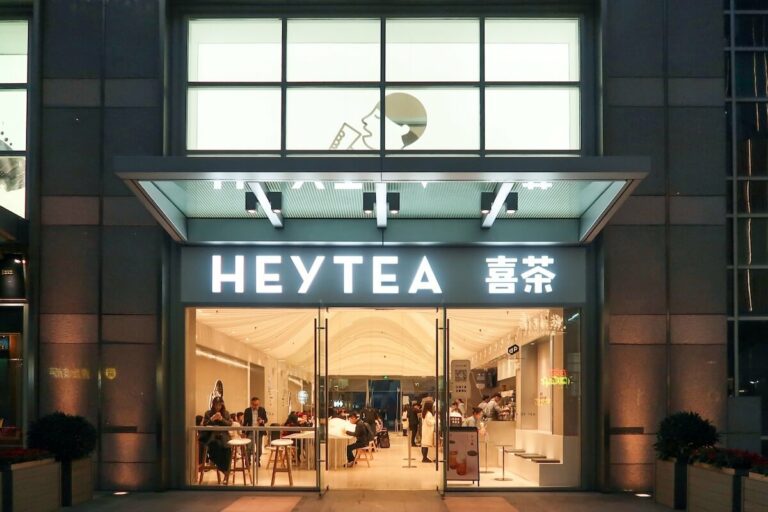
Miss A, Rowan and HEYTEA are on US mall opening lists in fall 2026. Their public records show what each…
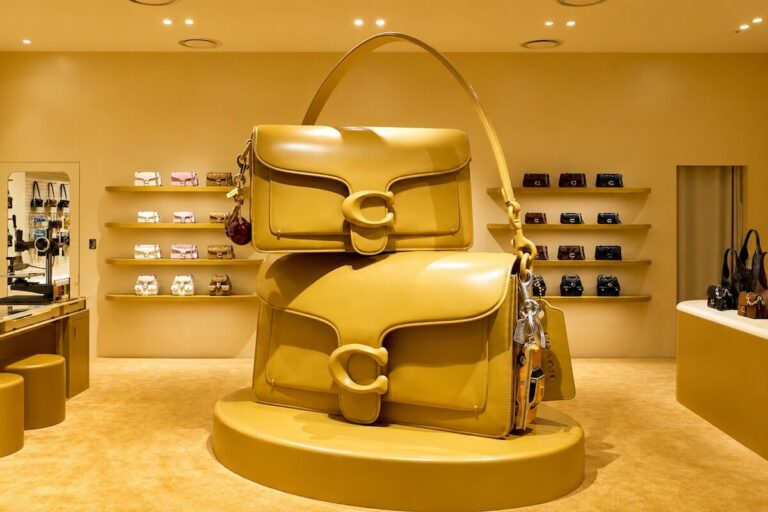
Gross margins and selected profit metrics for Coach, Pop Mart, lululemon, Miniso, Five Below, TJX and Costco, plus where each…
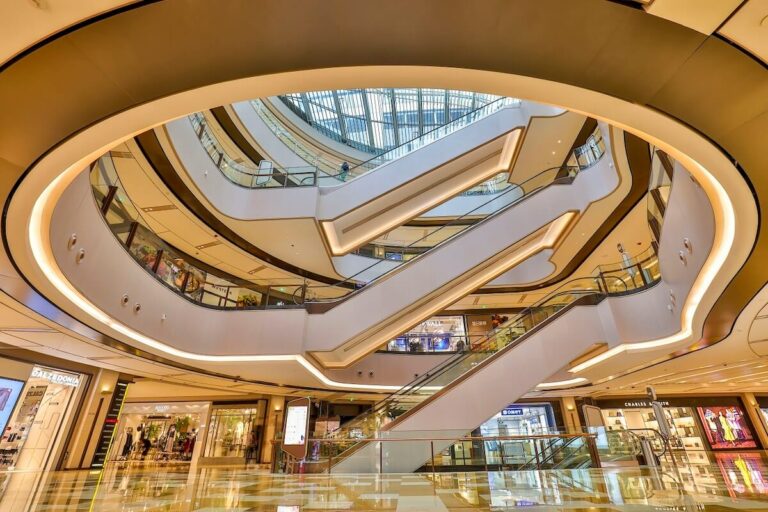
NikeSKIMS, Birkenstock and Starbucks Reserve chose HKRI Taikoo Hui for major China debuts. Why the Shanghai complex keeps winning new…
Bluewater opens its first new anchor since 1999. Next takes the former House of Fraser space with about 132,000 square…
Opening in IMAX 70mm on July 17, 2026: Christopher Nolan's The Odyssey. Select shows went on sale one year in…
