
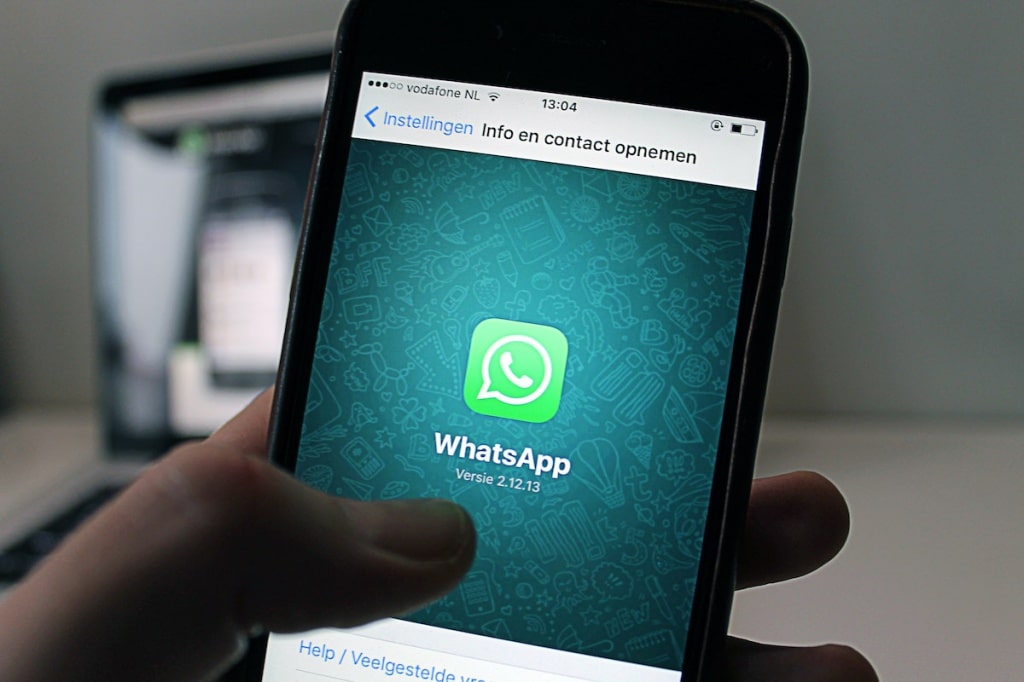
One of the most popular messengers in the world enters the world of e-commerce, providing business with the opportunity to sell goods and services.
New tools will allow sellers to display goods and services, better interact with customers, accept payments directly through WhatsApp. New features enable checking the availability of goods in the Facebook Shop and Instagram Shop now in the chat. Everything is implemented in such a way as to simplify the process of purchasing for the user.
The emergence of new features is part of a plan to strengthen WhatsApp, owned by Facebook, in communication between business and consumers (B2C). Developers stated that they paid much attention to integrating the messenger with other business applications used by the vendors.
Most of the tools will be provided free of charge, but some will charge a small fee to company representatives. All amounts received in this way will be used for further development of WhatsApp business tools. Developers have promised new features very shortly. In particular, work is underway on additional customer service tools to help companies more effectively use WhatsApp to provide more effective support.
The appearance of sales tools on WhatsApp seems logical against the coronavirus pandemic’s lockdown when more and more consumers worldwide are actively moving to online shopping. On Facebook, we are confident that buyers and sellers will be optimistic about the new messenger capabilities.

Gross margins and selected profit metrics for Coach, Pop Mart, lululemon, Miniso, Five Below, TJX and Costco, plus where each…

NikeSKIMS, Birkenstock and Starbucks Reserve chose HKRI Taikoo Hui for major China debuts. Why the Shanghai complex keeps winning new…
Bluewater opens its first new anchor since 1999. Next takes the former House of Fraser space with about 132,000 square…

Opening in IMAX 70mm on July 17, 2026: Christopher Nolan's The Odyssey. Select shows went on sale one year in…

European retail is scaling AI, agentic commerce and retail media, but consumer trust is becoming the constraint. Four structural shifts…

Mall operators are no longer leasing space for pop-ups. They are selling audience access.
