

Walmart broke off the contract with Bossa Nova Robotics and refused to rent mobile robots.
In 2017, the network decided to buy robots to reduce its staffing costs. The robots’ main task was to move between shelves and scan them with machine vision to replenish certain goods’ stock. According to the company, about 500 devices were performing their tasks in stores, according to the contract was completed.
However, due to the pandemic, the demand for online delivery and self-exportation increased dramatically in the United States and Europe. Now Walmart employees themselves have to walk down the aisles more often in stores to complete orders. At the same time, they can collect data on stocks and the items missing on the shelves. Thus, they duplicate the work of the machines themselves.
U.S. Walmart Executive Director John Ferner says the company has developed several simple and cost-effective methods for quickly laying out the goods humans can do. It also turns out that people in stores with dislike and fear react to robots in real life.
Nevertheless, Walmart will continue to test the technology and invest in its services, adding a retailer representative.
In the spring, the chief operating officer of e-commerce Walmart became Jamie Iannone, who previously headed Sam’s Club’s loyalty program. Iannone supervised and supported digital initiatives for the program, resulting in an expanded audience and increased sales of Sam’s Club.
In his new position, the manager must “build an even more robust online business that is easily integrated into all teams and channels. Jamie will oversee various e-commerce activities, including third-party vendors walmart.com, the Store No. 8 technological incubator, and the startups the company has acquired. His experience will help Walmart develop new digital initiatives.
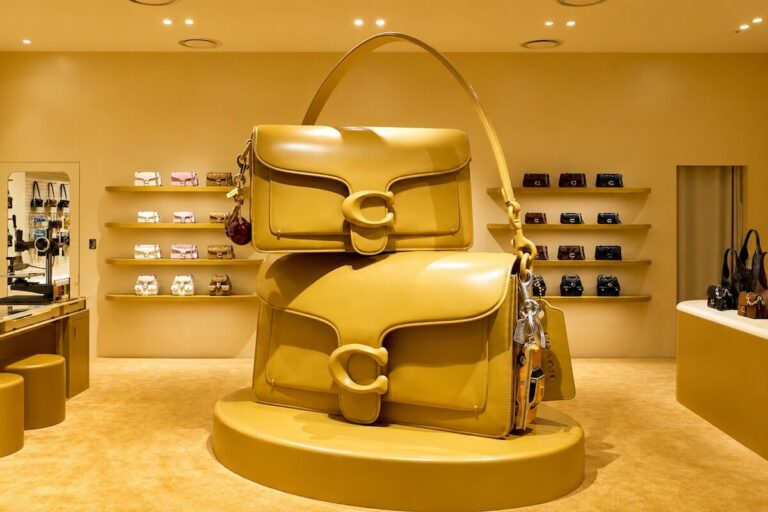
Gross margins and selected profit metrics for Coach, Pop Mart, lululemon, Miniso, Five Below, TJX and Costco, plus where each…
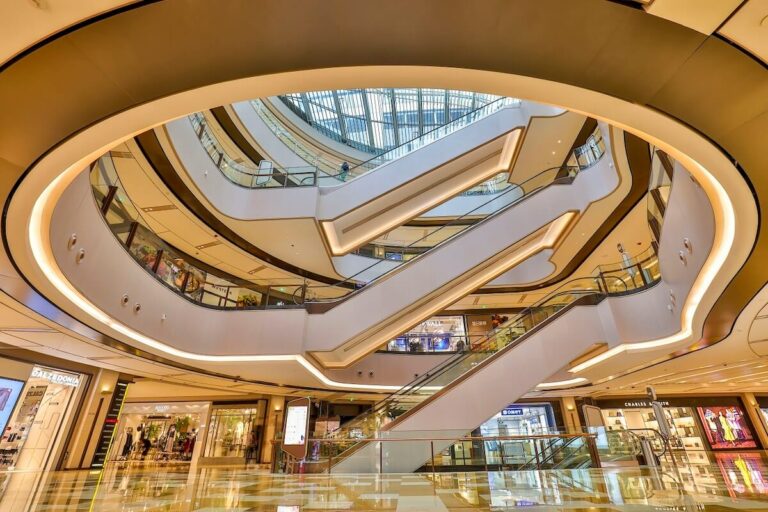
NikeSKIMS, Birkenstock and Starbucks Reserve chose HKRI Taikoo Hui for major China debuts. Why the Shanghai complex keeps winning new…
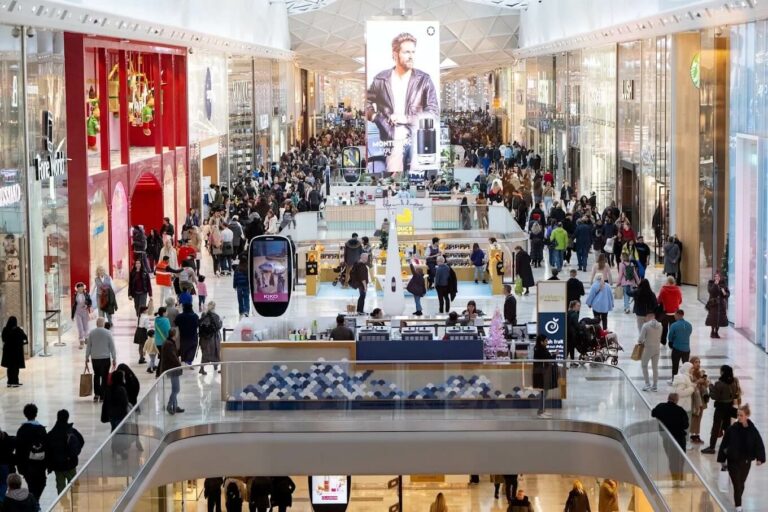
Bluewater opens its first new anchor since 1999. Next takes the former House of Fraser space with about 132,000 square…
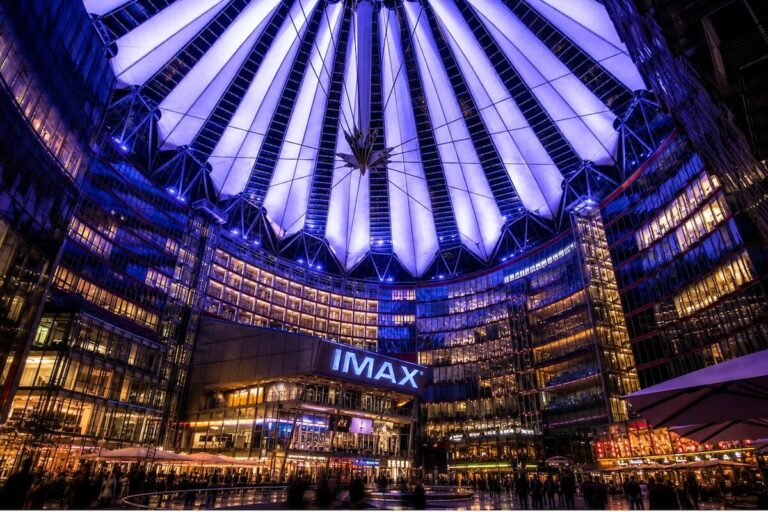
Opening in IMAX 70mm on July 17, 2026: Christopher Nolan's The Odyssey. Select shows went on sale one year in…

European retail is scaling AI, agentic commerce and retail media, but consumer trust is becoming the constraint. Four structural shifts…
Mall operators are no longer leasing space for pop-ups. They are selling audience access.
