

To catch up with Amazon, its main competitor in online commerce, the retailer is relaxing terms for sellers.
Expanding its presence in the online shopping marketplace, U.S. retailer Walmart has significantly relaxed the terms for sellers who can display goods on its online shopping site. Specifically, sellers’ requirement in the United States has been removed from merchants’ rules.
In addition to various goods, vendors worldwide will display additional services, such as advertising services or fulfillment, on the retailer’s site. Also, such services will provide sellers and the marketplace itself, helping to promote and deliver their goods.
For Walmart, this move could be a step beyond just the U.S. and an attempt to close the e-commerce gap with Amazon, representing sellers from around the world on its site. China, with its extensive network of manufacturers, looks particularly promising for Walmart in this regard.
While sellers no longer need a U.S. address or tax registration, Walmart will continue to do its due diligence. The retailer will ensure shoppers have no questionable merchandise on the site, which will be done through a multi-level check both locally and by a dedicated Walmart team.
According to a Walmart statement cited by Bloomberg, “We are opening our U.S. marketplace to a limited number of international businesses that share our commitment to customer trust and safety.
Photo credit: depositphotos.com.
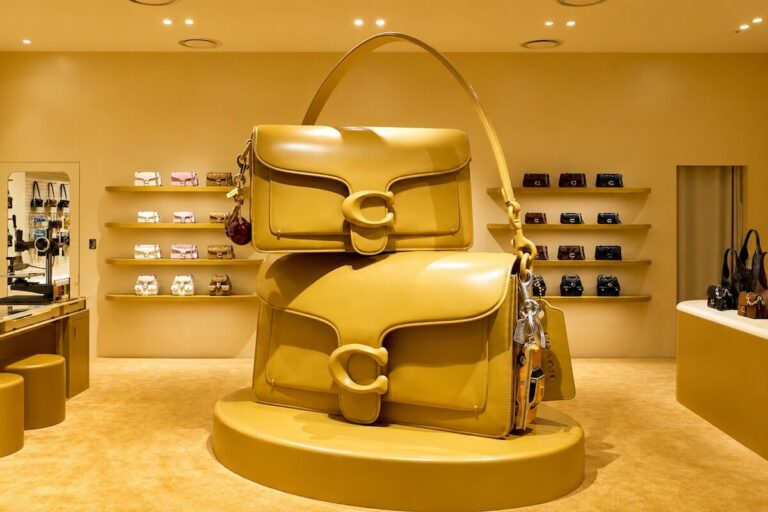
Gross margins and selected profit metrics for Coach, Pop Mart, lululemon, Miniso, Five Below, TJX and Costco, plus where each…
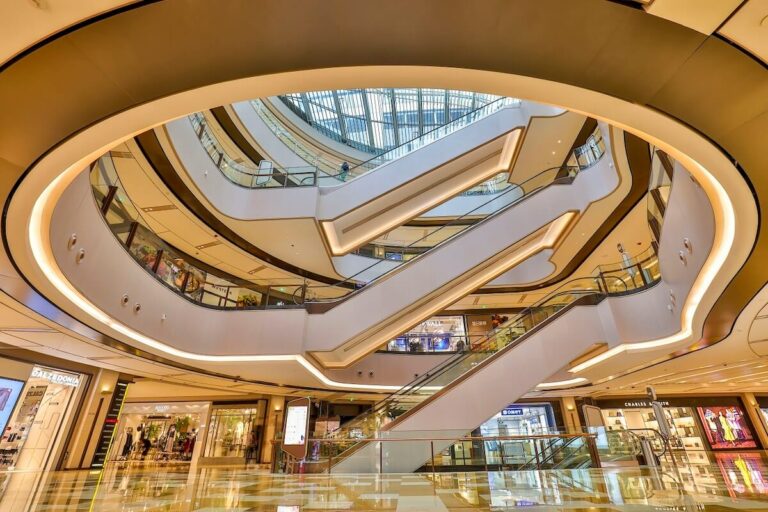
NikeSKIMS, Birkenstock and Starbucks Reserve chose HKRI Taikoo Hui for major China debuts. Why the Shanghai complex keeps winning new…
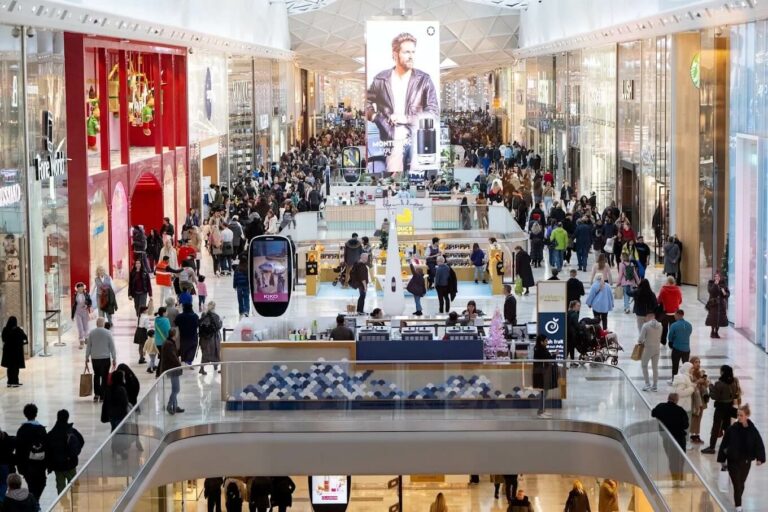
Bluewater opens its first new anchor since 1999. Next takes the former House of Fraser space with about 132,000 square…
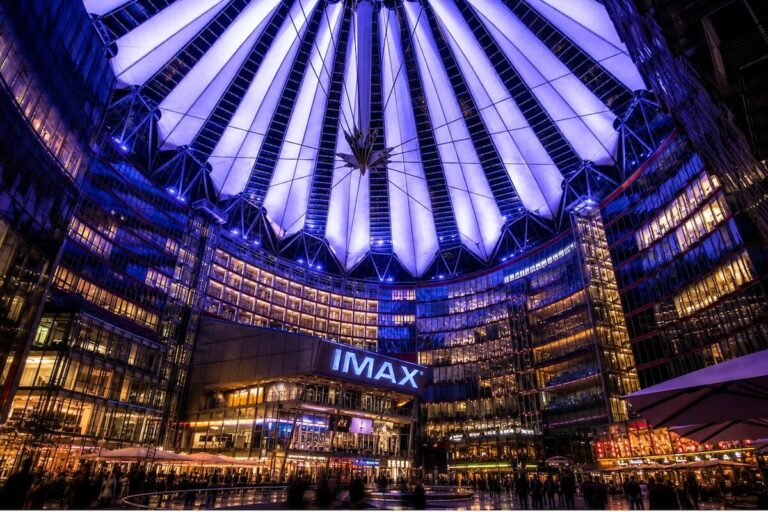
Opening in IMAX 70mm on July 17, 2026: Christopher Nolan's The Odyssey. Select shows went on sale one year in…

European retail is scaling AI, agentic commerce and retail media, but consumer trust is becoming the constraint. Four structural shifts…

Mall operators are no longer leasing space for pop-ups. They are selling audience access.
