
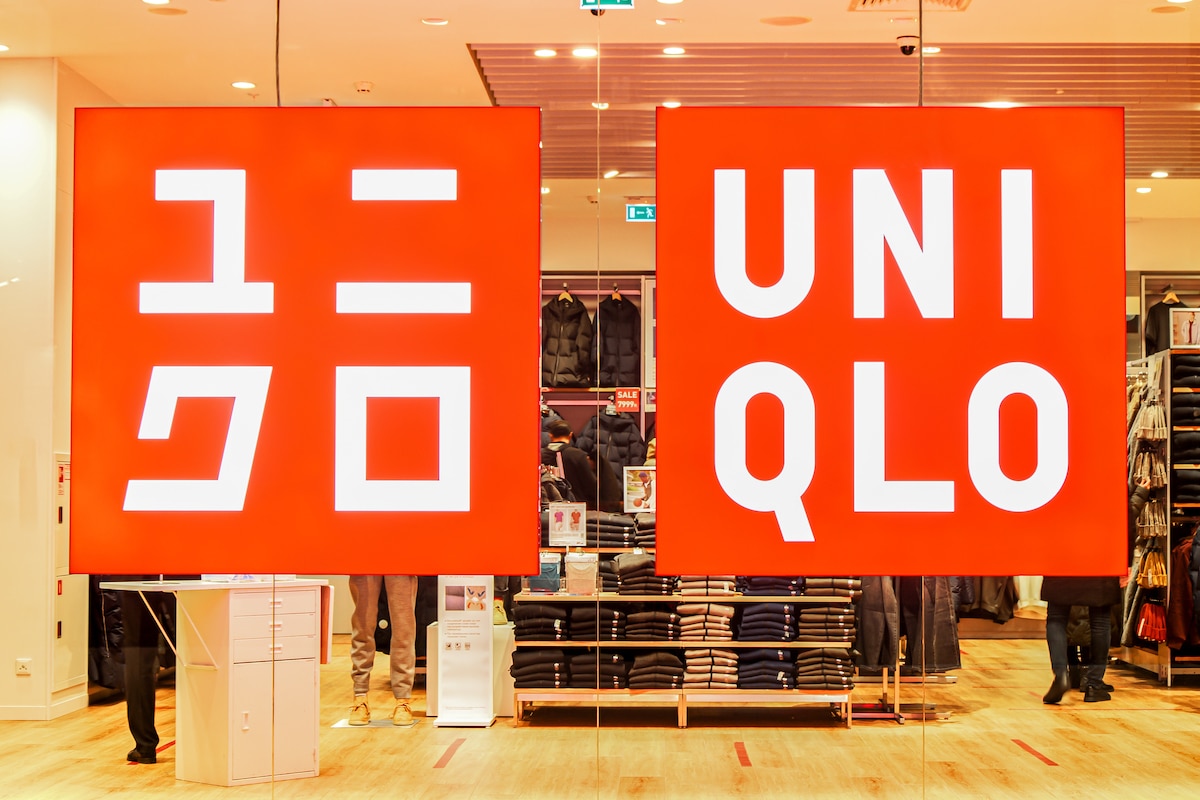
Fast Retailing reached a market capitalization of $103 billion, making it the industry’s market leader.
The creator of the Japanese clothing brand Uniqlo displaced Inditex, the owner of brands such as Zara, Massimo Dutti, Bershka, Pull&Bear, in a clothing ranking retailer their market capitalization. The value of Uniqlo on the stock market reached the $103 billion mark.
The value of the Spanish corporation Inditex at the same time is 99 billion dollars. It is the first time the Japanese company has managed to surpass the figures of its main competitor.
The Japanese retailer’s stock has been rising at a steady pace since August 2020. And this week, Fast Retailing broke another record, with the company’s share price surpassing 100,000 yen ($945) for the first time.
Meanwhile, in terms of revenue, Fast Retailing remains in third place with about 2 trillion yen ($18.9 billion) for fiscal 2020. Inditex leads the way with €28.2 billion ($34.1 billion), while Sweden’s H&M comes second with 187 billion kroner ($22.5 billion).
One of the main reasons that shareholders believe in Fast Retailing is that the company is mainly focused on the Asian market, especially China. China is the second-largest market by the number of stores for Uniqlo after Japan. It operates 791 of the brand’s stores, as opposed to 815 in Japan. In total, the company operates 2,298 Uniqlo stores around the world. In turn, Zara has only 20% of its stores in Asia, while stores in the U.S. and Europe are now in a difficult situation due to forced outages.
China’s importance for clothing retailers’ growth can be explained by the fact that this country’s economy has recovered relatively quickly from the pandemic and is now snowballing. The extended lockdown in different countries has changed consumers’ habits and began to prefer more comfortable casual clothing, such as that which the Uniqlo brand mainly offers. So Fast Retailing has a wide field for growth and development, demonstrated by investors’ interest in it.
Photo credit: depositphotos.com.
European retail is scaling AI, agentic commerce and retail media, but consumer trust is becoming the constraint. Four structural shifts…
Mall operators are no longer leasing space for pop-ups. They are selling audience access.
Physical stores still drive most retail sales, fulfill online orders, support AI shopping, and help brands return to market.
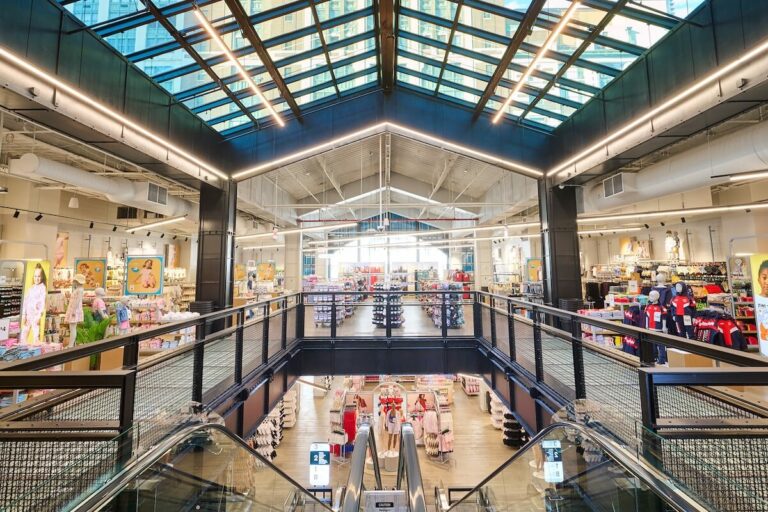
A practical guide to nine mall tenant formats in 2026, from flagships and pop-ups to anchor redevelopment and mixed-use retail.
1,051 of 1,173 US malls hold zero ultra-luxury brands. Half of all Cartier, Chanel, Hermès, and Louis Vuitton mall stores…
Every physical expansion decision starts with the same question: where does the store go?
Verified signals on brand expansion, store openings, and mall development. Free.
Free · No credit card · Unsubscribe any time
