

The stores are up for sale due to the retailer’s bankruptcy restructuring.
Tuesday Morning, the furniture and home improvement retailer will have to sell 263 stores in 38 states. The stores are up for sale due to the retailer’s bankruptcy restructuring. A&G Real Estate Partners is acting as a consultant for the sale.
Tuesday Morning filed for bankruptcy on Feb. 14, the second time it has filed for bankruptcy since 2022. At the time, the retail chain had about 700 stores. By early 2023, the retailer had 487 outlets left.
By closing unprofitable outlets, Tuesday Morning expects to focus on its core distribution channels and successfully reorganize its business. Last week, the retailer had raised an additional $12.5 million from Gordon Brothers.
Tuesday Morning declared bankruptcy in 2020, closing about 200 stores and a distribution center in Arizona. Lenders have recently been denying the retailer long-term loans, complicating the situation amid unstable customer demand.
The stores for sale are freestanding outlets and outlet malls in formats ranging from 6,000 to 28,000 square feet.
Tuesday Morning is an American discount convenience store headquartered in Dallas, Texas. Founded in 1974, the company has nearly 500 locations nationwide. On February 14, 2023, Tuesday Morning once again filed for Chapter 11 bankruptcy. The company then proceeded to close roughly half of all stores nationwide, including nearly all of its stores in California.
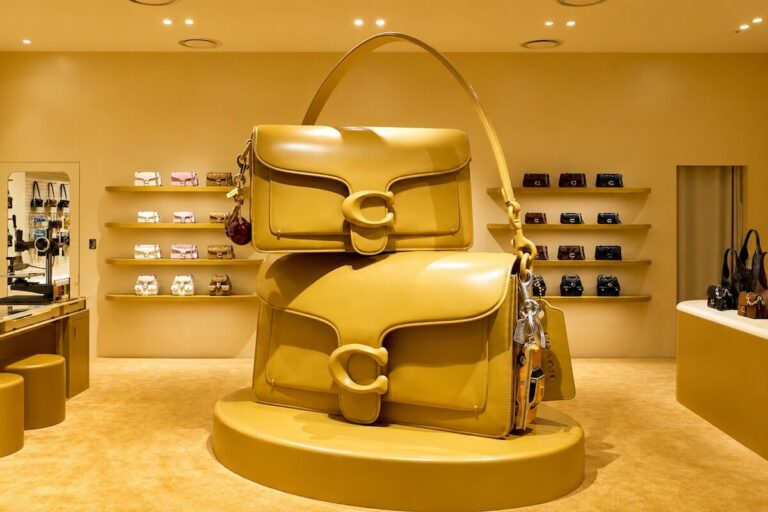
Gross margins and selected profit metrics for Coach, Pop Mart, lululemon, Miniso, Five Below, TJX and Costco, plus where each…
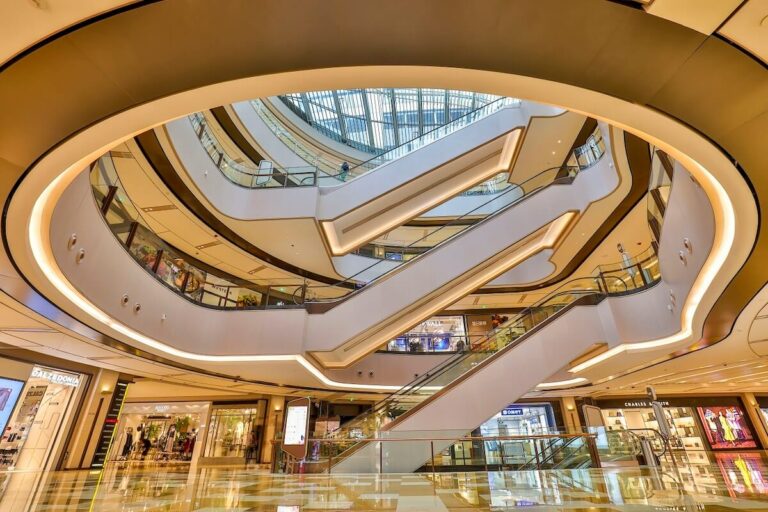
NikeSKIMS, Birkenstock and Starbucks Reserve chose HKRI Taikoo Hui for major China debuts. Why the Shanghai complex keeps winning new…
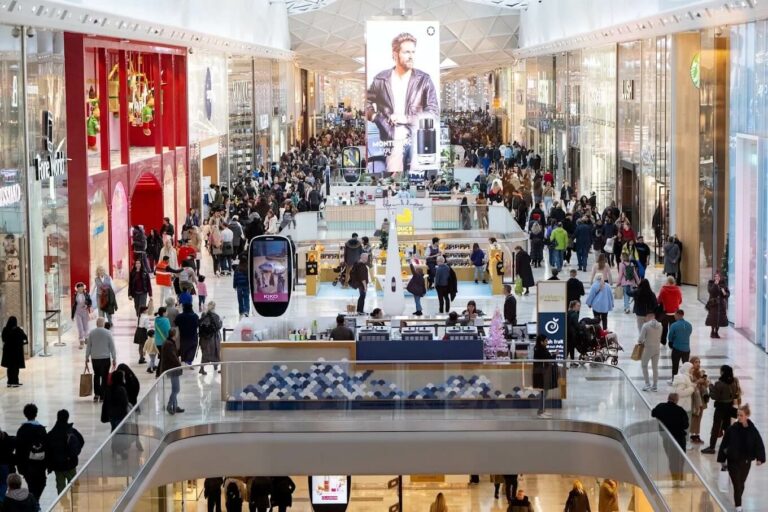
Bluewater opens its first new anchor since 1999. Next takes the former House of Fraser space with about 132,000 square…

Opening in IMAX 70mm on July 17, 2026: Christopher Nolan's The Odyssey. Select shows went on sale one year in…

European retail is scaling AI, agentic commerce and retail media, but consumer trust is becoming the constraint. Four structural shifts…

Mall operators are no longer leasing space for pop-ups. They are selling audience access.
