

International agency Interbrand has presented a rating of brands of the future that could turn the idea of retailing around.
International consulting agency Interbrand has presented a rating of brands of the future that can turn the idea of retailing into a familiar format. Analysts surveyed 200 retailers to compile their list of “Breakthrough Brands 2020.”
Among the most successful brands, according to Interbrand, were the manufacturer of interactive mirrors for home fitness, Mirror; the producer of vegetable meat, Impossible Foods; the bioengineering company Ginkgo; and the provider of legal services based on artificial intelligence, Legalist. According to experts’ forecasts, these companies could make a real breakthrough and win the market shortly.
The brands that made it to the top 30 were selected based on the main criterion—the ability to understand human values, i.e., to meet and exceed the needs and expectations of clients, as well as to create an exceptional experience and provide excellent business results. Also, brands were judged on their perceived potential for adaptation and successful recovery from the crisis during the first half of 2020.
The Breakthrough Brand Rankings were published in 2016 when companies such as Deliveroo, Peloton, and Glossier were included. Over time, the share of Silicon Valley companies, as well as extensive software and digital platform manufacturers, began to decline in the rankings.

Gross margins and selected profit metrics for Coach, Pop Mart, lululemon, Miniso, Five Below, TJX and Costco, plus where each…
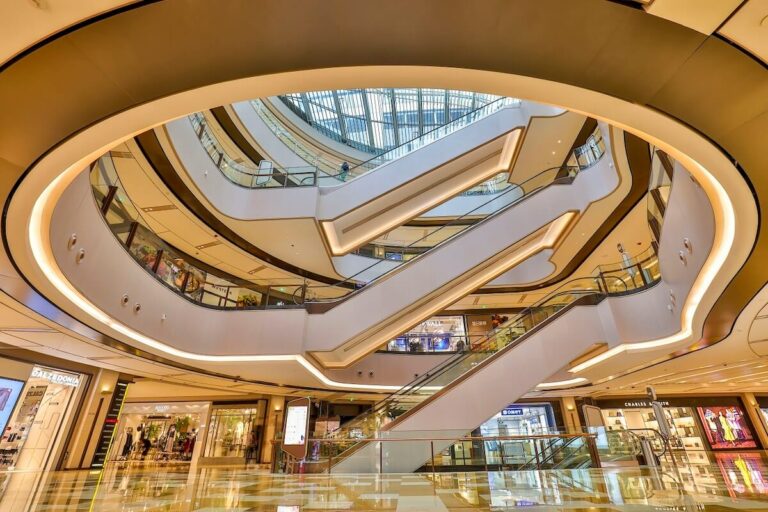
NikeSKIMS, Birkenstock and Starbucks Reserve chose HKRI Taikoo Hui for major China debuts. Why the Shanghai complex keeps winning new…
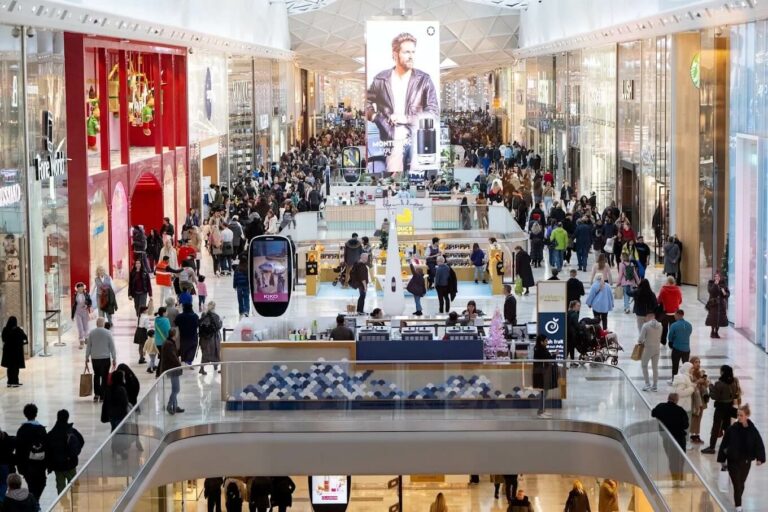
Bluewater opens its first new anchor since 1999. Next takes the former House of Fraser space with about 132,000 square…
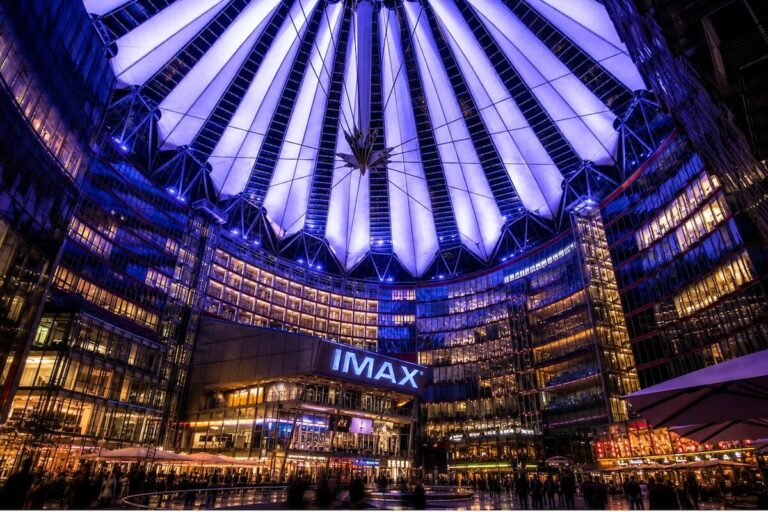
Opening in IMAX 70mm on July 17, 2026: Christopher Nolan's The Odyssey. Select shows went on sale one year in…

European retail is scaling AI, agentic commerce and retail media, but consumer trust is becoming the constraint. Four structural shifts…
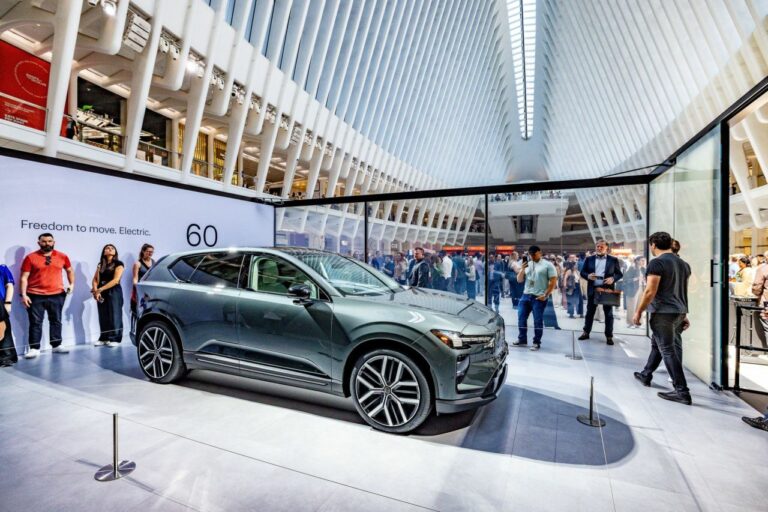
Mall operators are no longer leasing space for pop-ups. They are selling audience access.
