

American fashion brand Ralph Lauren has opened its new store in Miami.
American fashion brand Ralph Lauren has opened its new store in Miami. It is an innovative and technological outlet that accepts cryptocurrency as payment.
The store is about 4,100 square feet in the Design District. The new space features Purple label men’s and women’s clothing and accessories and unique bags and accessories created specifically for Miami.
The store is filled with digital innovations to provide an exceptional shopping experience. The interior uses teak wood, white tile, stainless steel and black ebonized details. The outlet features digital screens that provide product information and an appointment with a stylist.
To celebrate the opening, Ralph Lauren is hosting a series of immersive and experiential events in partnership with Poolsuite and the locally popular Web3 community. The project will feature Ralph Lauren x Poolsuite NFT, and Poolsuite’s Grand Leisure collection holders will be treated to new digital avatars from the brand. In partnership with BitPay, the store will be the first in the world to start accepting cryptocurrency – Bitcoin (BTC), Ethereum (ETH) and Polygon (MATIC).
Ralph Lauren has an extensive retail network, including more than 500 stores in various cities around the world and an online store. The company also has several licensing agreements with other manufacturers who produce and promote products under the Ralph Lauren brand, such as watches, eyewear, leather goods, etc.
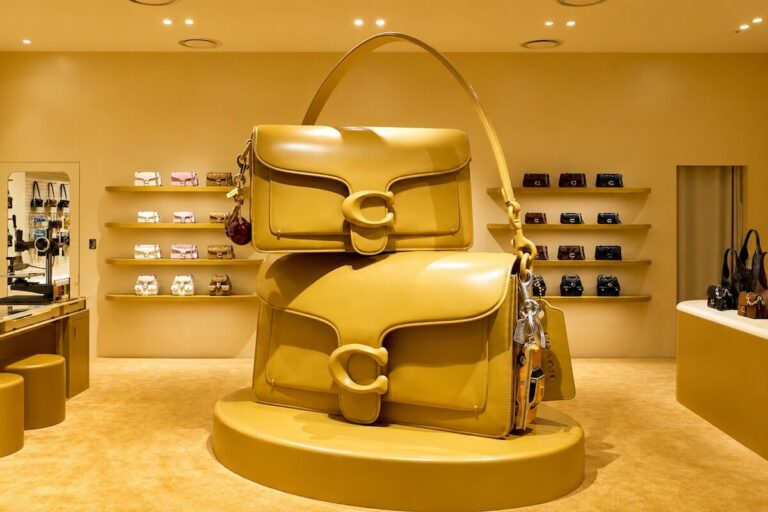
Gross margins and selected profit metrics for Coach, Pop Mart, lululemon, Miniso, Five Below, TJX and Costco, plus where each…
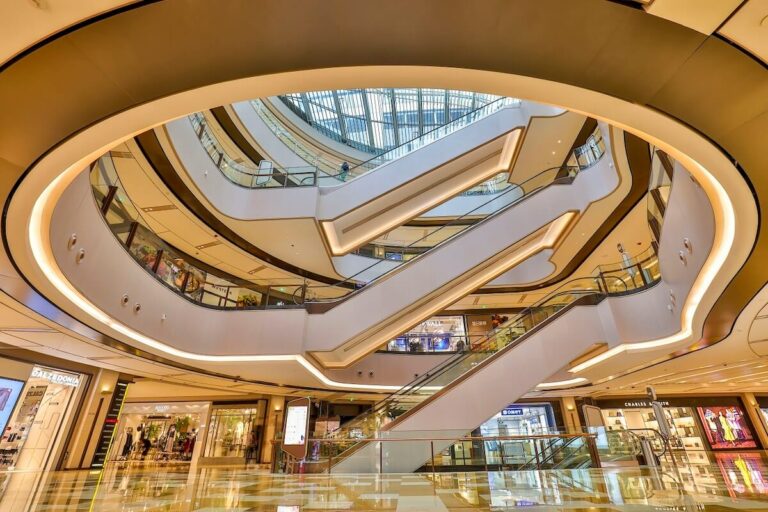
NikeSKIMS, Birkenstock and Starbucks Reserve chose HKRI Taikoo Hui for major China debuts. Why the Shanghai complex keeps winning new…
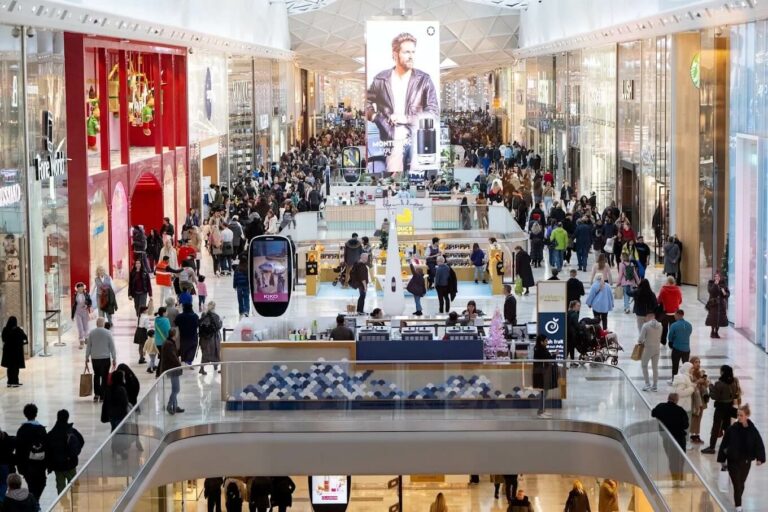
Bluewater opens its first new anchor since 1999. Next takes the former House of Fraser space with about 132,000 square…
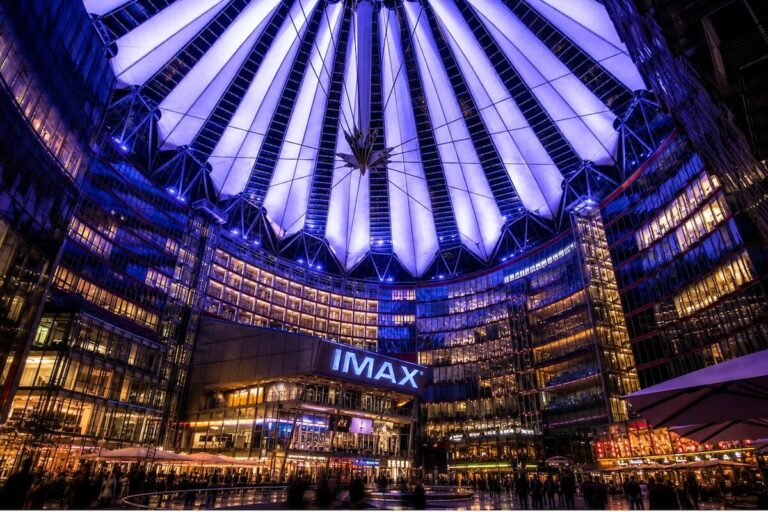
Opening in IMAX 70mm on July 17, 2026: Christopher Nolan's The Odyssey. Select shows went on sale one year in…
European retail is scaling AI, agentic commerce and retail media, but consumer trust is becoming the constraint. Four structural shifts…
Mall operators are no longer leasing space for pop-ups. They are selling audience access.
