
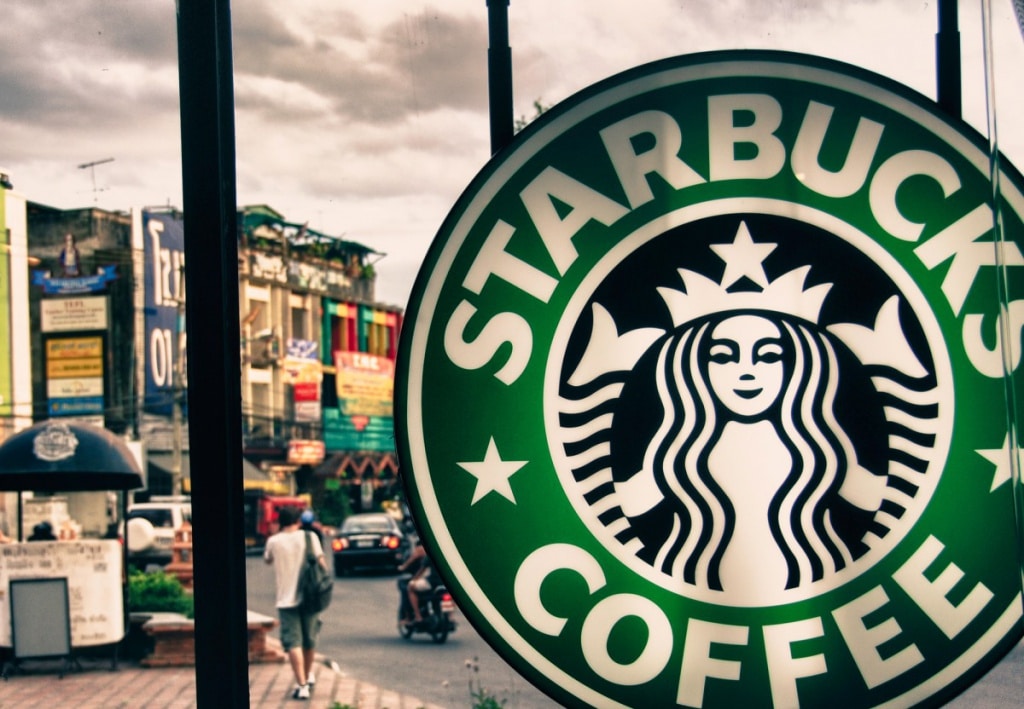
American retailer Target has agreed to expand its partnership with Starbucks.
The company will deliver food and beverages from the coffee shop chain, promoting its own Drive Up business. Sel ect coffee shops located in Target’s department store space will be connected to the service.
Customers will be prompted to place an order for coffee delivery from Starbucks in the Target app. The order will then be processed and delivered to the coffee shop. A Target employee will pick it up on the way to the customer and deliver it along with the order.
As of the fourth quarter of 2022, there are approximately 1,700 Starbucks coffee shops in Target retail stores. Starbucks with Drive Up service was first launched in 240 of the retailer’s locations in California, Minnesota, New Jersey, Delaware, Pennsylvania, Texas, Washington and West Virginia, RetailDive writes.
The decision to launch the service was made after receiving a large number of requests fr om Target customers. As a result, the retailer began testing the coffee and food delivery feature in its own app, extending its functionality. Along with it, Target also began testing a product reservation service, allowing customers to get replacements for items not available in the range through Drive Up and Order Pickup.
The company is also investing in further development of its retail network. Specifically, the retailer’s immediate plans include renovating about 200 existing stores and opening more than 250 new Ultra shop-in-shop stores.
Gross margins and selected profit metrics for Coach, Pop Mart, lululemon, Miniso, Five Below, TJX and Costco, plus where each…
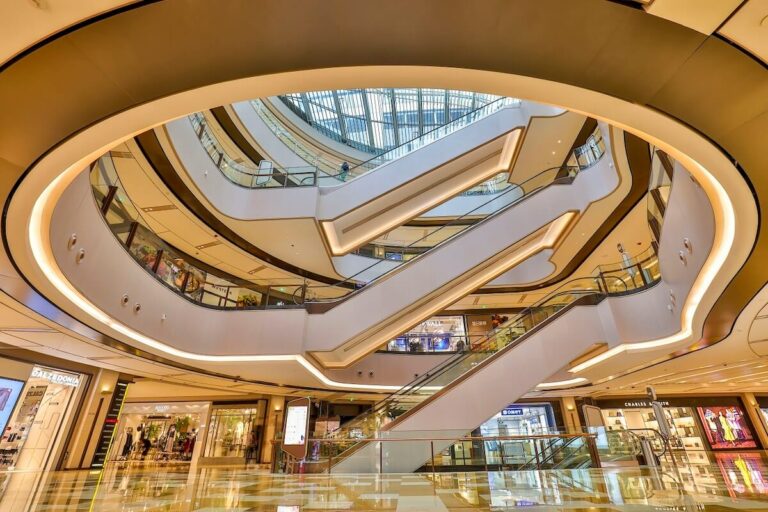
NikeSKIMS, Birkenstock and Starbucks Reserve chose HKRI Taikoo Hui for major China debuts. Why the Shanghai complex keeps winning new…
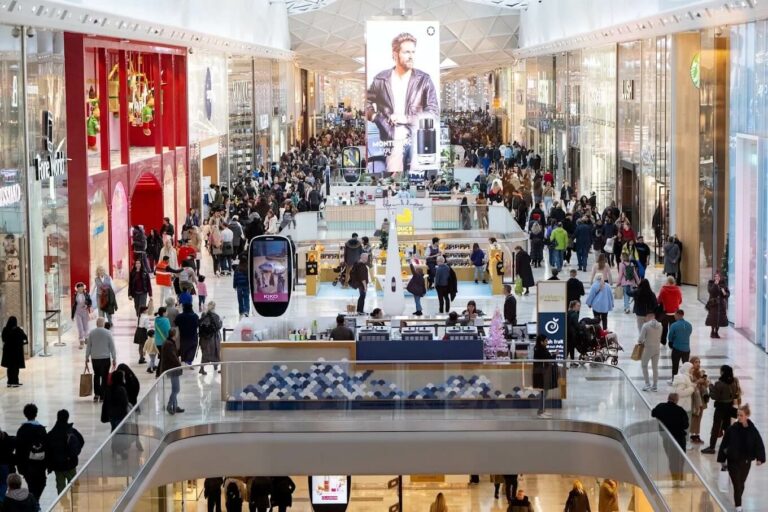
Bluewater opens its first new anchor since 1999. Next takes the former House of Fraser space with about 132,000 square…
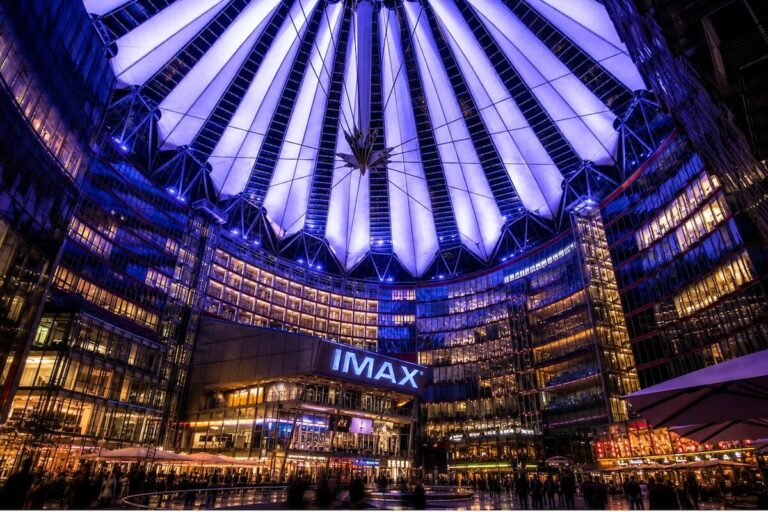
Opening in IMAX 70mm on July 17, 2026: Christopher Nolan's The Odyssey. Select shows went on sale one year in…
European retail is scaling AI, agentic commerce and retail media, but consumer trust is becoming the constraint. Four structural shifts…
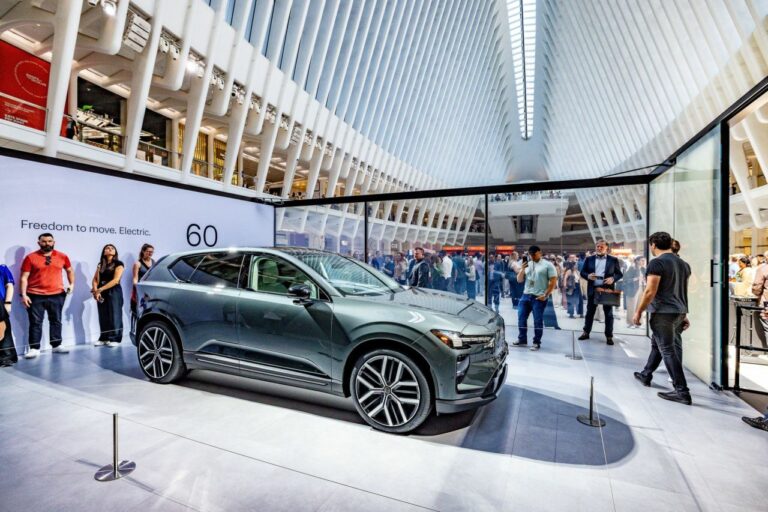
Mall operators are no longer leasing space for pop-ups. They are selling audience access.
