

In 2025, retail expansion stopped being about square meters and started being about intent. Across luxury, athleisure and digital-native brands, stores became cultural signals.
For much of the last decade, physical retail expansion was approached with restraint. Store networks were optimized, downsized, or justified primarily through omnichannel logic. Growth often meant fewer stores, not better ones.
In 2025, that mindset shifted—not overnight, but clearly.
What stood out this year was not the number of openings, but the confidence behind them. The brands that defined retail expansion in 2025 did not treat stores as endpoints. They treated them as infrastructure: places where brand identity, community, and long-term ambition intersect.
This list is not a ranking of the fastest-growing brands in 2025. It is an editorial selection—based on what we observed across markets, formats, and foot traffic patterns—of brands whose physical expansion signaled something larger about where global retail is heading.
Louis Vuitton’s physical expansion in 2025 reinforced a familiar but often underestimated truth: for the world’s strongest luxury brands, retail remains the most powerful expression of authority.
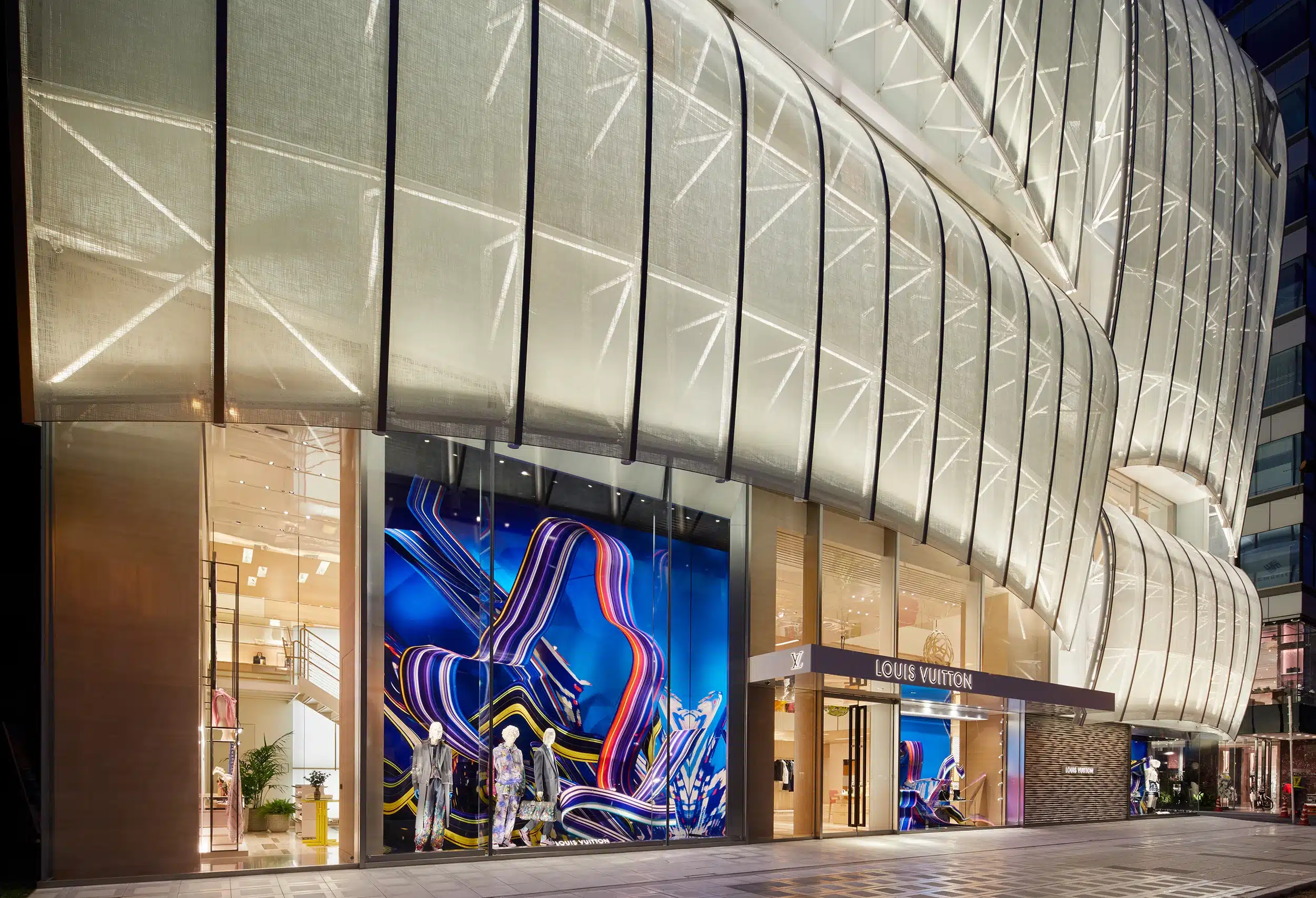
Across flagship renovations and new high-profile locations in the US, Europe, and Asia, the brand continued to invest in stores that feel permanent by design. These spaces are intentionally oversized, richly layered, and often closer to cultural venues than traditional retail environments.
Temporary installations and pop-up formats were not treated as experiments. They functioned as quiet extensions of the core brand story—reinforcing, rather than testing, Louis Vuitton’s position. Walking through these spaces, it was hard to escape the sense that they were built to last, even when they were not meant to stay.
At a time when much of the luxury sector spoke the language of caution, Louis Vuitton chose a different signal. Physical retail became its way of expressing stability, ambition, and long-term confidence without saying it out loud.
For SKIMS, 2025 was the year when online momentum finally had to prove itself offline.
After years of digital dominance, the brand moved decisively into physical space—combining permanent stores with high-visibility pop-ups, first across the US and then selectively abroad. These locations felt intentionally approachable, both in scale and in atmosphere, avoiding the intimidation that often surrounds fashion retail.
What stood out most was how clearly these spaces solved problems that digital channels cannot. Fit, feel, and reassurance became central. The stores were not about spectacle; they were about removing doubt.
The environments mirror SKIMS’ digital tone—calm, accessible, and intentionally friction-free. In practice, they feel less like fashion stores and more like places designed to build confidence. That shift matters when a fast-growing brand begins to think about longevity.
Lululemon did not expand loudly in 2025. It expanded deliberately.

Rather than chasing rapid network growth, the brand continued refining its physical presence through carefully paced openings and remodels. Material quality, openness, and spatial clarity consistently took priority over density.
Spending time in these stores, one detail becomes clear: they are designed for duration, not throughput. These are spaces meant to be used, returned to, and lived in—not rushed through between errands.
Across North America, Europe, and Asia, the experience feels intentionally familiar without becoming formulaic. Over time, Lululemon’s locations function less as apparel stores and more as lifestyle platforms, reinforcing the brand’s positioning as a global wellness company rather than an athleisure success story.
Nike’s physical strategy in 2025 leaned heavily into temporary, high-impact formats.

Instead of aggressively expanding its permanent footprint, the brand focused on immersive pop-ups and campaign-driven installations in key urban locations. These spaces were visually dominant, socially shareable, and tightly connected to product storytelling.
In Nike’s model, retail behaves less like a store and more like a broadcast. A short-lived physical presence often delivers more cultural and digital reach than a permanent location ever could.
For mall operators and landlords, this approach offered a clear lesson. Temporary retail, when executed at scale and with intent, can create value that far outlives its physical presence.
In the beauty category, Burberry stood out in 2025 for its disciplined use of seasonal and event-driven retail formats.

Festive pop-ups and immersive beauty installations in major malls allowed the brand to capitalize on peak moments without committing to long-term square footage. Gifting, personalization, and visual storytelling were placed at the center of the experience.
What made these activations effective was their timing. Rather than chasing permanence, Burberry treated physical retail as a series of well-orchestrated moments—each designed to feel relevant, photogenic, and finite.
Gymshark’s continued move into physical retail in 2025 addressed a challenge familiar to many digitally native brands.
Online reach creates scale. Physical presence is where belief either appears or doesn’t.

Through selective store openings, pop-ups, and community-led activations, Gymshark used retail to ground its digital identity in the real world. The energy felt familiar to its online audience, but the physical layer added something digital cannot: tangibility.
For consumers, partners, and landlords alike, these spaces sent a simple signal. This is a brand that intends to stay.
IKEA’s expansion strategy in 2025 further normalized the shift toward smaller, city-focused store formats.

These locations move away from warehouse-style browsing. Instead, they focus on planning services, curated selections, and integrated fulfillment—closer to how people actually live in dense urban environments.
Designed for repeat visits rather than one-time trips, these stores allow IKEA to remain visible and relevant without relying on massive footprints. For urban malls and mixed-use developments, this evolution quietly redefined what an anchor tenant can look like.
Taken together, the most compelling retail expansions of 2025 share a common thread: physical stores are no longer treated as distribution alone.
Flagships communicate ambition. Pop-ups create urgency. Smaller formats deliver relevance. Brands that invest in physical retail with clarity and intent are building advantages that extend far beyond square footage.
As 2026 approaches, the question is no longer whether physical retail matters. It clearly does.
The real question is which brands are willing to use it with enough confidence to leave a lasting mark.

Under Armour is scheduled to open in Liverpool One shopping center and Battersea Power Station by the end of February.
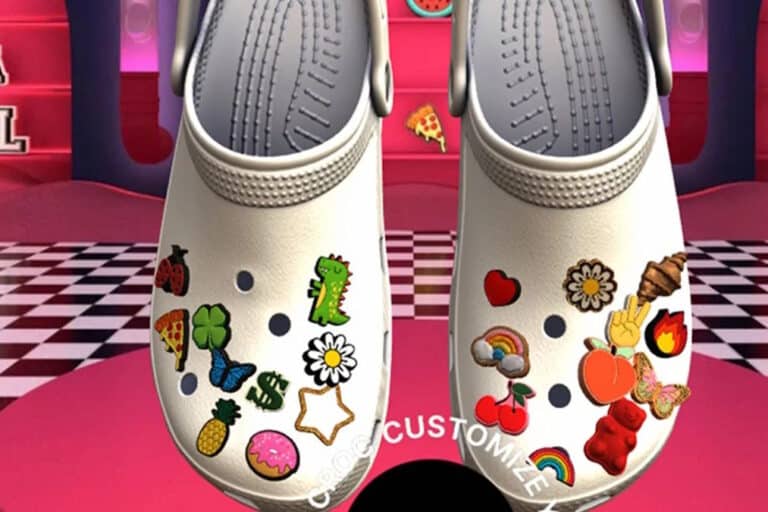
Crocs has partnered with 3D e-commerce company Obsess to introduce the Crocs Jibbitz Experience.
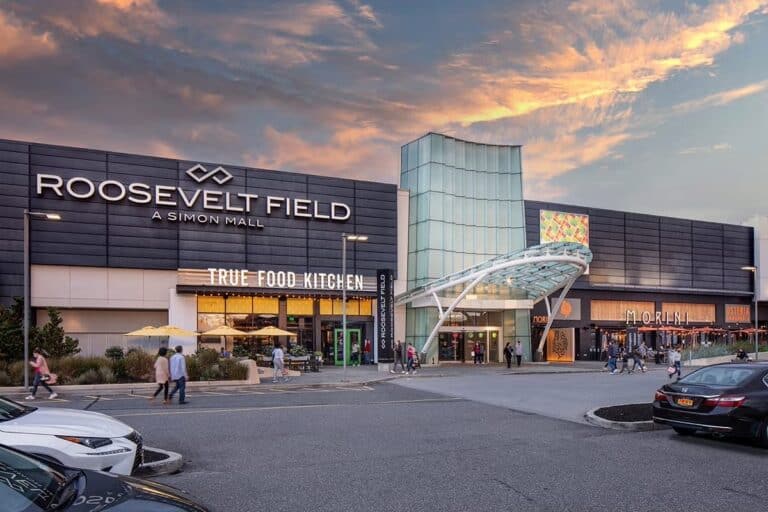
900 malls remain in the United States. The top 100 account for half the sector's value.
57 verified brand expansion signals. 25+ markets. Seven archetypes. One structural pattern.
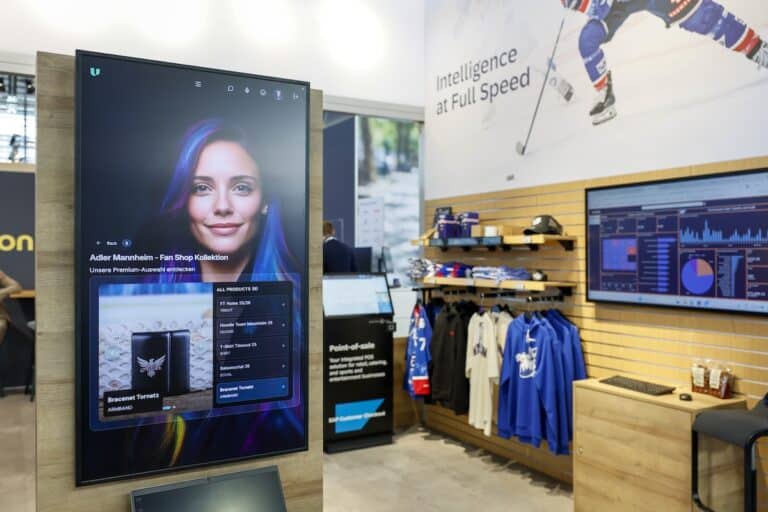
In-store retail media crossed $0.5B. AI moved from the cloud into checkout scanners. Retail space supply hit historic lows.
3-4 November 2026, Cannes MAPIC takes place every autumn in Cannes and remains one of the few global events where…
