

The company reported an increase in sales and profit, but the future is still uncertain.
The year 2020 proved to be a real challenge for Puma and many other brands. The first quarter was hit by the coronavirus pandemic, followed by a very challenging second quarter with falling sales and revenues. CEO Björn Goulden described last months as “the most challenging quarter I have ever experienced in this industry.
But the third quarter allowed the management of the German sportswear manufacturer to relax a little. Sales grew by 13 percent, with stores in the Americas and Europe, Africa, and Russia, beginning to recover. Although Puma reported an expected lower attendance at stores, the conversion rate remained high. E-commerce and wholesale also increased by 60.9 percent and 12.3 percent, respectively.
Puma was also able to improve its operating result compared to last year, with a $171.5 million profit. This result is achieved by reducing the number of marketing activities while improving efficiency and implementing several cost-cutting measures.
All of this allowed Björn Goulden to make an optimistic statement about the near future of the company he trusted. Nevertheless, the effects of the COVID-19 pandemic are still being felt, negatively impacting clothing and footwear sales. The recovery remains a challenge for fashion and sportswear brands. The second wave can again lead to a marked decline in sales worldwide because experts expect it will be more complicated than the first one.

Gross margins and selected profit metrics for Coach, Pop Mart, lululemon, Miniso, Five Below, TJX and Costco, plus where each…
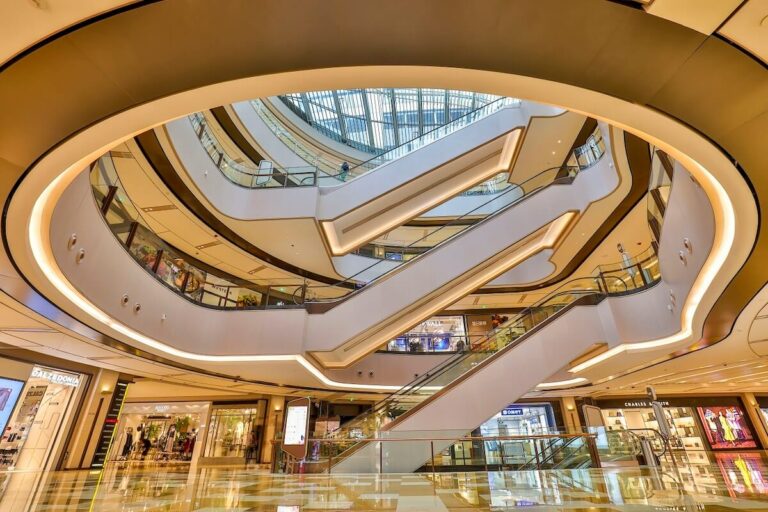
NikeSKIMS, Birkenstock and Starbucks Reserve chose HKRI Taikoo Hui for major China debuts. Why the Shanghai complex keeps winning new…
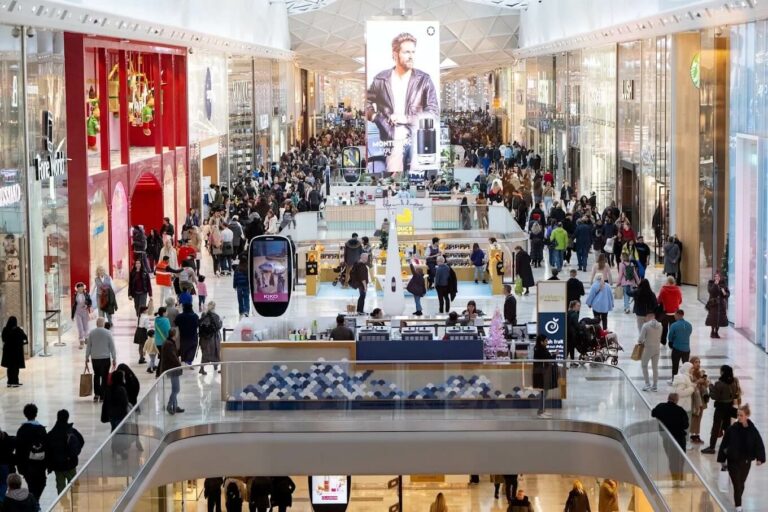
Bluewater opens its first new anchor since 1999. Next takes the former House of Fraser space with about 132,000 square…

Opening in IMAX 70mm on July 17, 2026: Christopher Nolan's The Odyssey. Select shows went on sale one year in…

European retail is scaling AI, agentic commerce and retail media, but consumer trust is becoming the constraint. Four structural shifts…

Mall operators are no longer leasing space for pop-ups. They are selling audience access.
