

The REIT is putting some feelers out for potential replacement tenants for Macy’s at three of its regional malls.
Pennsylvania Real Estate Investment Trust, a publicly traded REIT that traces its roots back to 1960, owns and operates more than 25 million square feet of space spread across the eastern United States. According to Philly.com, the REIT is putting some feelers out for potential replacement tenants for Macy’s at three of its regional malls.
The stores are located at the REIT’s Plymouth Meeting, Moorestown, and Altoona malls, and the natural correlation is that these locations could be among the 100 that Macy’s hopes to close by early next year. Brokers have reported that the spaces have been listed among internal industry listings, and it’s certainly captured their attention.
“There are great opportunities if [PREIT] gets them back [in the company’s portfolio]. The question that struck me is: What are the best uses for those spaces? There is a lot of pent-up demand for big boxes, but there is not a lot of new construction due to high construction and land costs and what tenants are willing to pay,” said Dan Brickner, principal at Metro Commercial.
Brickner, who represents the entertainment and dining firm Dave & Buster’s, points to the increased opportunities that are out there for malls to make them into a destination that will resonate with today’s consumers. While having a large space open up is never a welcome sight, there are viable alternatives that can slide in.
“Mall shopping is changing where you need to drive traffic to a lot of these interior malls, and many of them have taken these boxes and added entertainment like a Dave & Buster’s,” he said.
As long as they’re not completely blindsided, malls have adapted pretty well to the changing times, despite all of the doom and gloom that’s reported by traditional media.
“With the closure of Sears and Macy’s, malls have done a good job with more nontraditional uses, and that sometimes entails just demolishing them. You are benefited by the parking lot and the ability to build your box like the Wegmans in Montgomeryville at Montgomeryville Mall.”
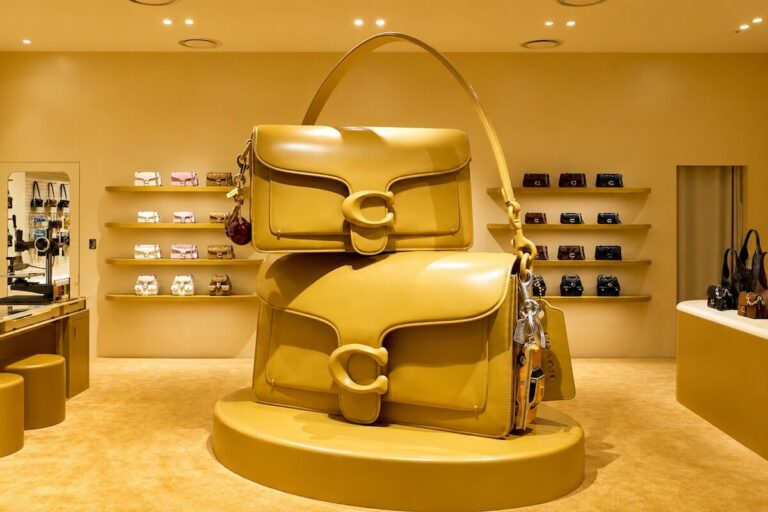
Gross margins and selected profit metrics for Coach, Pop Mart, lululemon, Miniso, Five Below, TJX and Costco, plus where each…
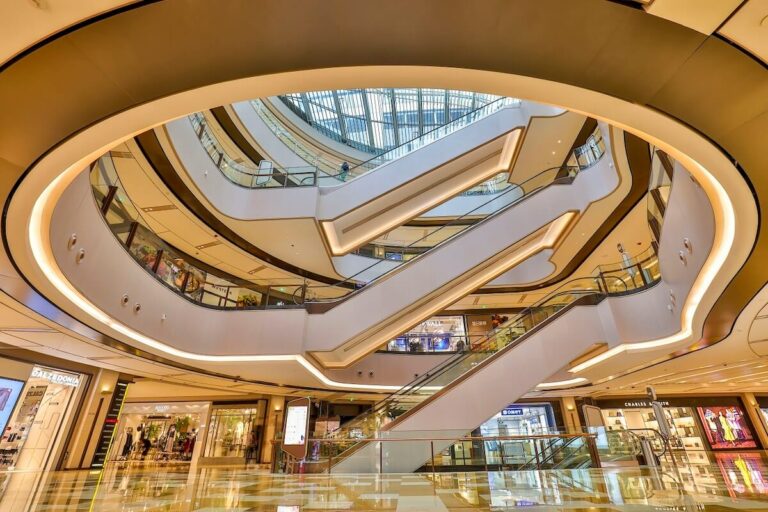
NikeSKIMS, Birkenstock and Starbucks Reserve chose HKRI Taikoo Hui for major China debuts. Why the Shanghai complex keeps winning new…
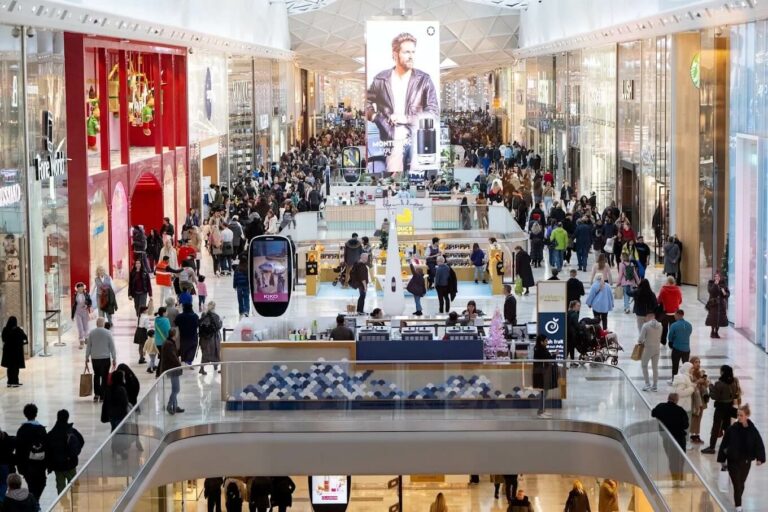
Bluewater opens its first new anchor since 1999. Next takes the former House of Fraser space with about 132,000 square…
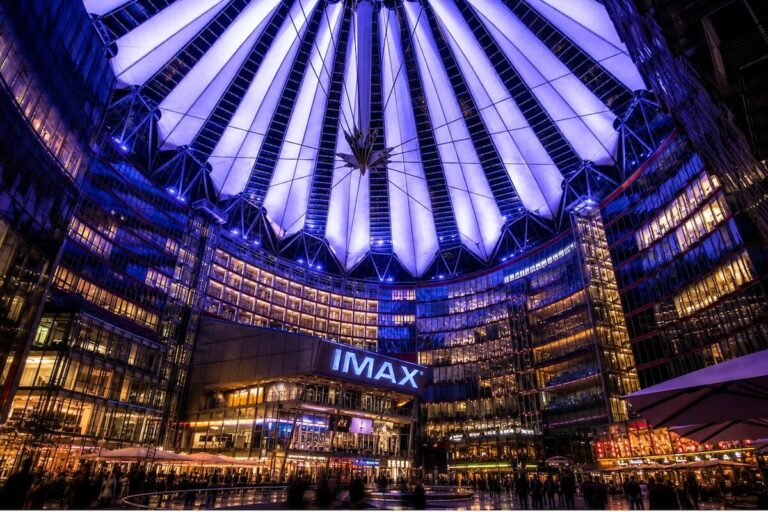
Opening in IMAX 70mm on July 17, 2026: Christopher Nolan's The Odyssey. Select shows went on sale one year in…

European retail is scaling AI, agentic commerce and retail media, but consumer trust is becoming the constraint. Four structural shifts…

Mall operators are no longer leasing space for pop-ups. They are selling audience access.
