
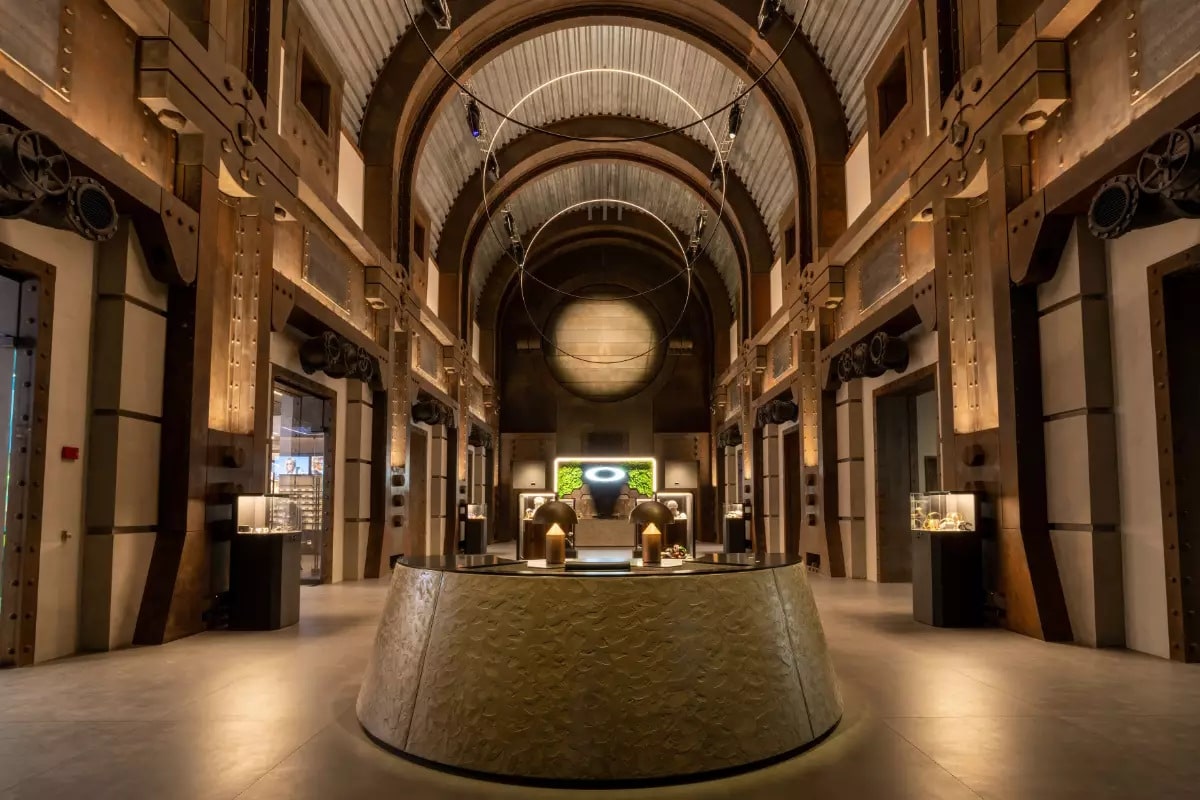
Oakley unveiled a renovated flagship store at its California headquarters.
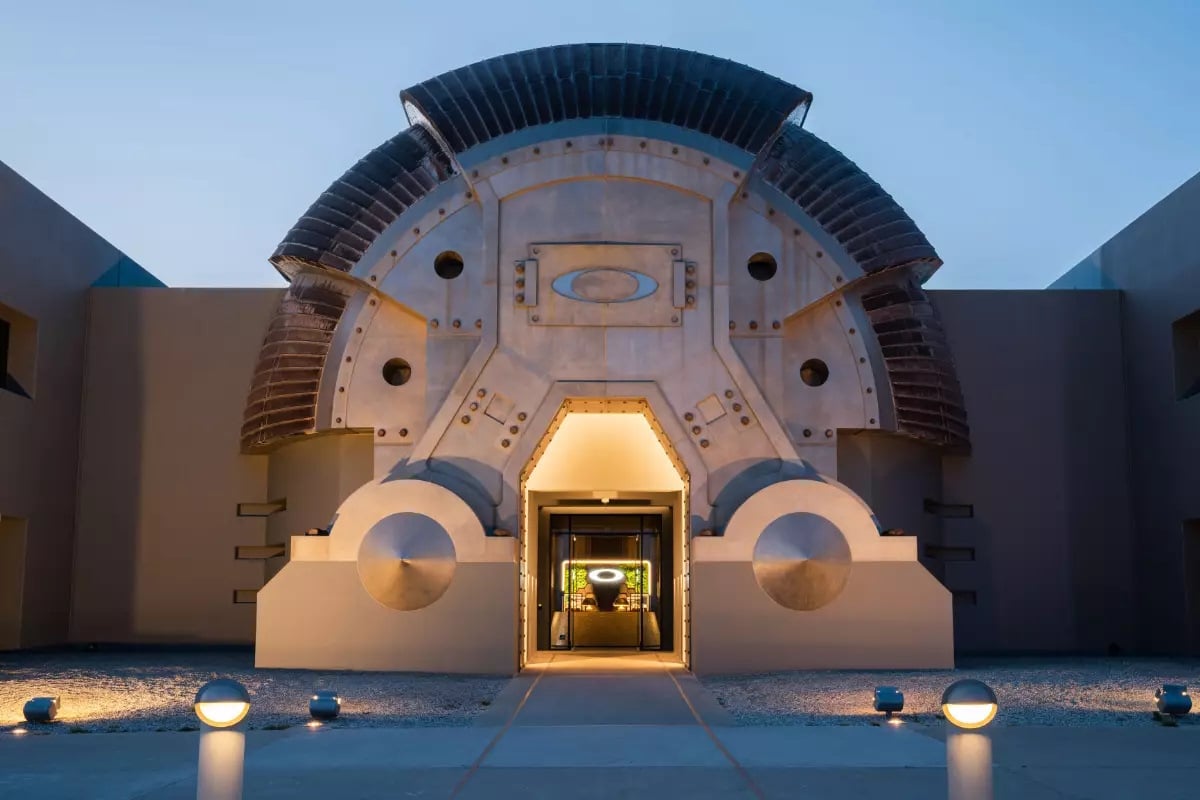
After a lengthy reconstruction, Oakley unveiled a renovated flagship store at its California headquarters. The new retail space looks like a bunker and a futuristic museum at the same time. The store’s exterior is a dystopian design.
“The bunker doors have been re-opened to our reimagined lobby space at Oakley’s Interplanetary HQ in Southern California. Built in 1997, One Icon serves as a portal to product innovation where Oakley designers, employees and athletes come together to define the future of performance technology.
The reimagined space showcases Oakley’s DNA and rich history and points to the meta-modern ethos of individuality, inclusivity and positivity,” commented the company.
Inside, the retail space is a carefully crafted balance between a flagship store and a museum that pays homage to the brand’s history and culture. The mono store showcases Oakley’s leading innovations – Prizm lens technology, RX designs, historic eyewear silhouettes and more.
Oakley is an American sports eyewear, apparel and accessories brand founded in 1975. It is part of the large Luxottica Group, which owns famous brands like Ray-Ban and Persol. Oakley specializes in producing products for people with active lifestyles, such as athletes and fans of extreme sports. Today Oakley has more than 300 stores in more than 100 countries.
Gross margins and selected profit metrics for Coach, Pop Mart, lululemon, Miniso, Five Below, TJX and Costco, plus where each…
NikeSKIMS, Birkenstock and Starbucks Reserve chose HKRI Taikoo Hui for major China debuts. Why the Shanghai complex keeps winning new…
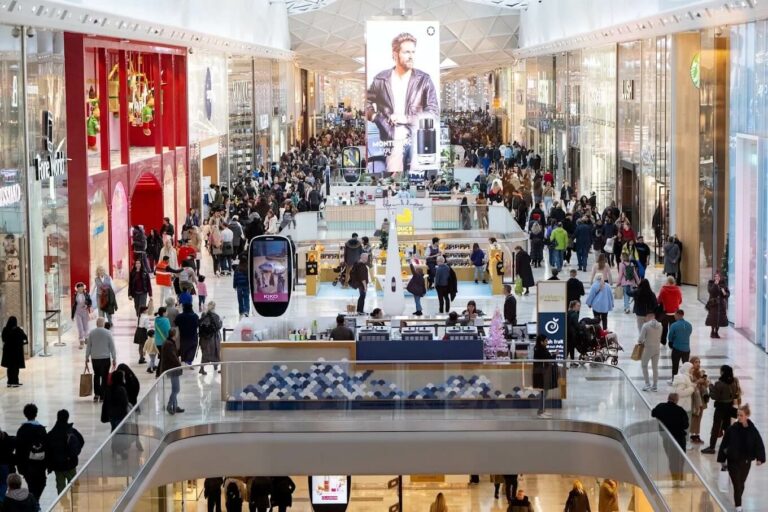
Bluewater opens its first new anchor since 1999. Next takes the former House of Fraser space with about 132,000 square…
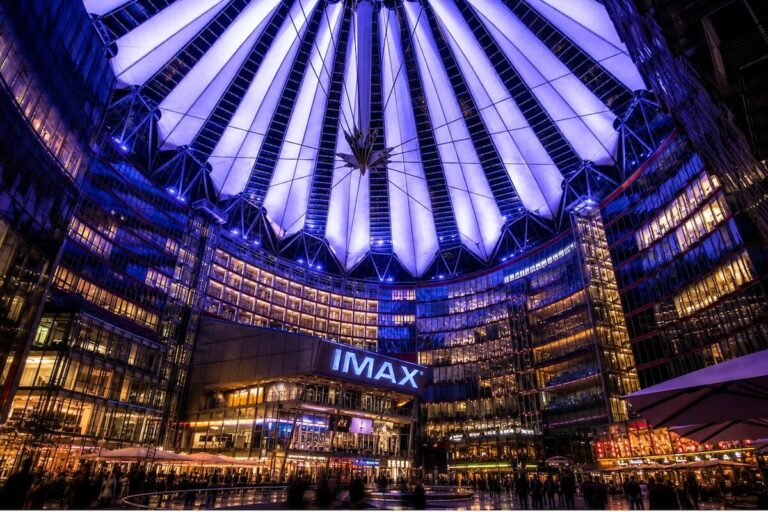
Opening in IMAX 70mm on July 17, 2026: Christopher Nolan's The Odyssey. Select shows went on sale one year in…

European retail is scaling AI, agentic commerce and retail media, but consumer trust is becoming the constraint. Four structural shifts…
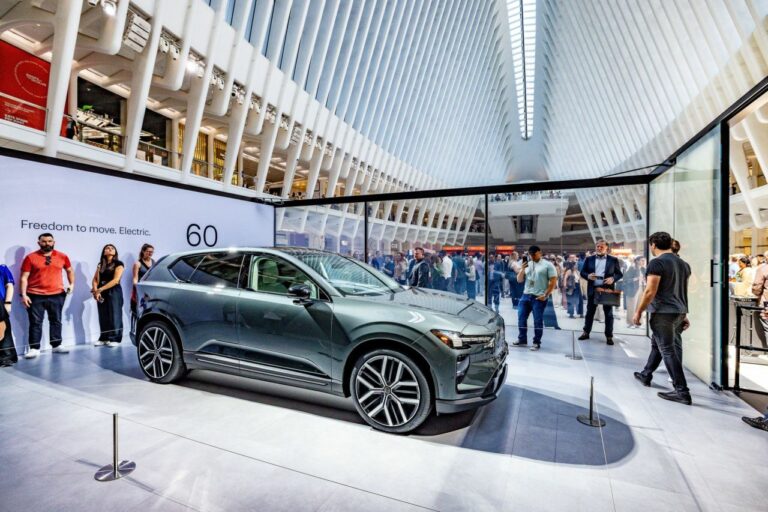
Mall operators are no longer leasing space for pop-ups. They are selling audience access.
