
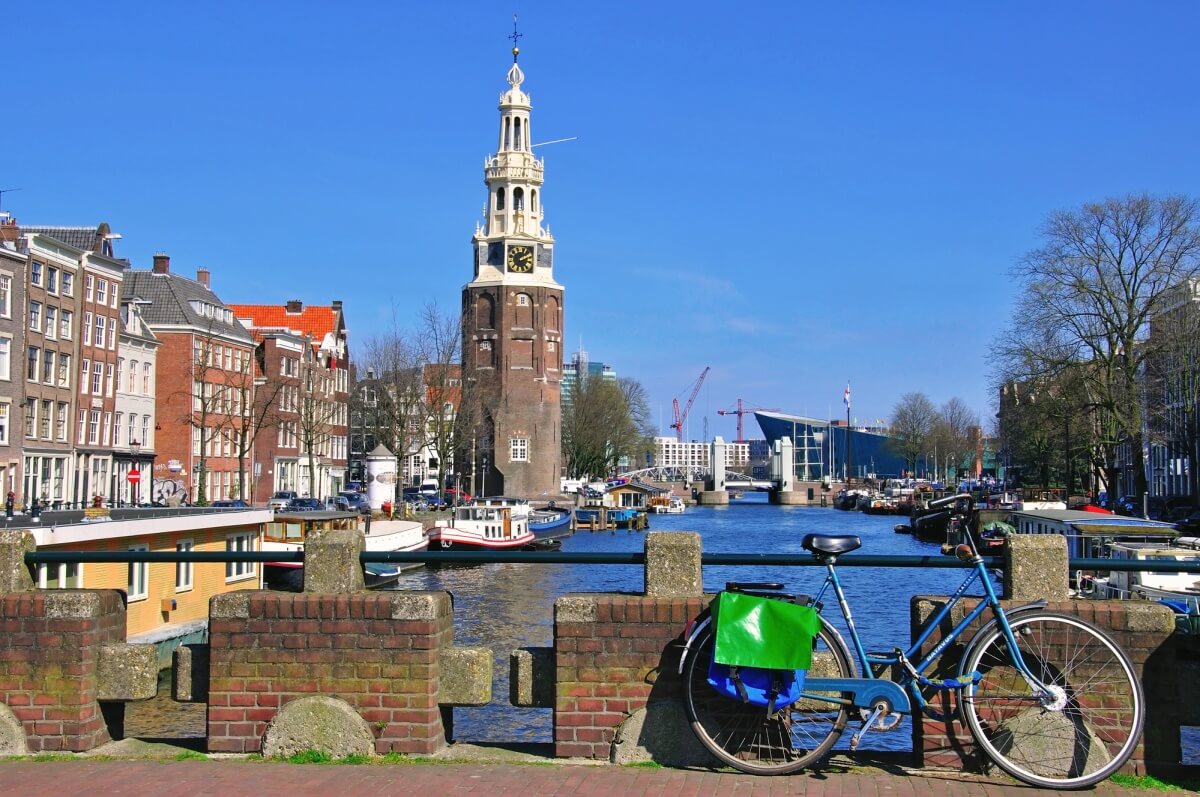
Non-food stores, restaurants, movie theaters, and fitness clubs are closing in the country.
Leading retail centers in the Netherlands have emptied after local authorities declared a new lockdown amid the spread of the omicron strain and temporarily closed state borders. After bars and restaurants closed, popular locations became as deserted as they were in the spring of 2020 during the first wave. Business owners fear new problems due to the lack of revenue before the New Year holidays.
Dutch Prime Minister Marg Rutte announced late last week that a lockdown would be imposed on the country until January 14, 2022.
According to a new government decree, all stores in the country (except for grocery stores and those selling daily necessities) and catering facilities, cinemas and theaters, fitness clubs, and sports centers are closed. Protest rallies again took place in many major cities across the country.
The restrictions, which came as a surprise to residents, also included a ban on more than two people companies on the streets. Business owners were counting on new state support measures amid the recent lockdown and warned that they might not survive the crisis due to the drop in traffic and revenue.
The number of new infections in the Netherlands has been rising lately, despite the high level of collective immunity. According to official figures, more than 85% of adults have been fully vaccinated. However, only 9% of the kingdom’s residents have completed revaccination.
Gross margins and selected profit metrics for Coach, Pop Mart, lululemon, Miniso, Five Below, TJX and Costco, plus where each…
NikeSKIMS, Birkenstock and Starbucks Reserve chose HKRI Taikoo Hui for major China debuts. Why the Shanghai complex keeps winning new…
Bluewater opens its first new anchor since 1999. Next takes the former House of Fraser space with about 132,000 square…
Opening in IMAX 70mm on July 17, 2026: Christopher Nolan's The Odyssey. Select shows went on sale one year in…

European retail is scaling AI, agentic commerce and retail media, but consumer trust is becoming the constraint. Four structural shifts…
Mall operators are no longer leasing space for pop-ups. They are selling audience access.
