

Company has announced plans to redevelop 50 locations over the next two years.
Cincinnati based retailer announced it is forming a strategic alliance with Brookfield Asset Management, global alternative asset manager, to create increased value in its real estate portfolio.
Under the alliance, Brookfield will have an exclusive right for up to 24 months to create a “pre-development plan” for each of approximately 50 Macy’s real estate assets, with an option for Macy’s to continue to identify and add assets into the alliance. These assets primarily include owned and ground- leased stores and associated land, most of which are located in malls not owned by major mall owners. The breadth of opportunity within the portfolio ranges from the additional development on a portion of an asset (such as a Macy’s-controlled land parcel adjacent to a store) to the complete redevelopment of an existing store.
The Brookfield alliance is part of Macy’s previously-announced strategy to generate value from its real estate portfolio consistent with the company’s commitment to stores as a critical element of its long-term omnichannel strategy and its balance sheet objectives. The company is also exploring options for its flagship stores and closing approximately 100 full-line Macy’s stores due to underperformance or because the value of the real estate exceeds the value to Macy’s as a retail store location.
Now Macy’s operates about 880 stores in 45 states, the District of Columbia, Guam and Puerto Rico under the names of Macy’s, Bloomingdale’s, Bloomingdale’s Outlet, Macy’s Backstage and Bluemercury.
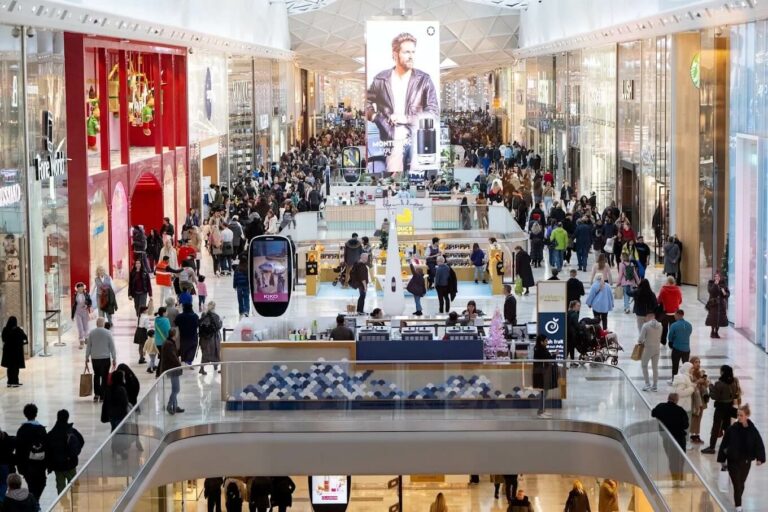
Bluewater opens its first new anchor since 1999. Next takes the former House of Fraser space with about 132,000 square…
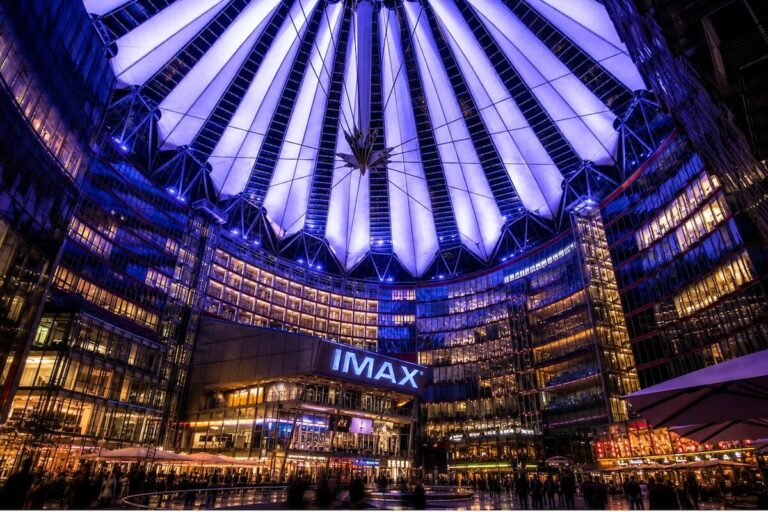
Opening in IMAX 70mm on July 17, 2026: Christopher Nolan's The Odyssey. Select shows went on sale one year in…

European retail is scaling AI, agentic commerce and retail media, but consumer trust is becoming the constraint. Four structural shifts…
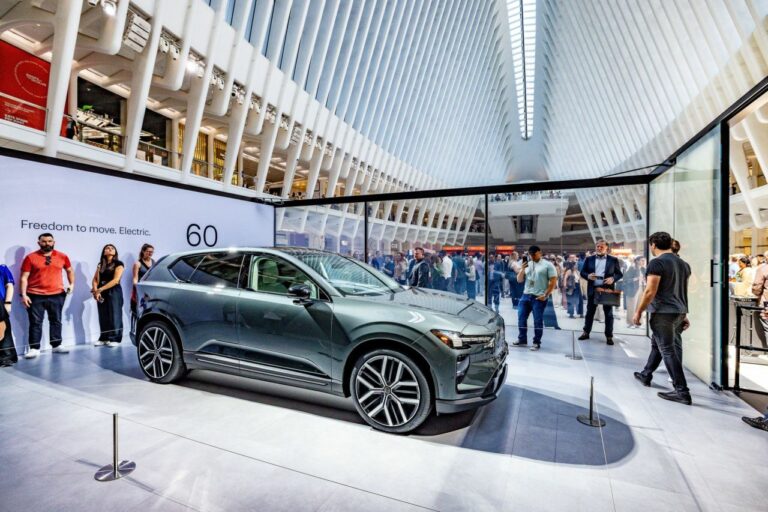
Mall operators are no longer leasing space for pop-ups. They are selling audience access.
Physical stores still drive most retail sales, fulfill online orders, support AI shopping, and help brands return to market.
A practical guide to nine mall tenant formats in 2026, from flagships and pop-ups to anchor redevelopment and mixed-use retail.
Verified signals on brand expansion, store openings, and mall development. Free.
Free · No credit card · Unsubscribe any time
