

Leading shopping mall owners are well aware of that fact, and they’re not afraid to spend in order to remain relevant.
The continuing rise of e-commerce has long been portrayed as something that will lead to the death of brick-and-mortar retail, but the reality is vastly different. The reality is that there is plenty of room for both means of transacting business to thrive, but that comes with a caveat. In both cases, only the strong will survive, and that means a willingness to adapt is imperative.
Sarath’s City Capital Mall
As Bloomberg shares, leading shopping mall owners are well aware of that fact, and they’re not afraid to spend in order to remain relevant. Take the case of Simon Property Group, for example. Granted, the industry giant has resources that smaller operators can only dream of, but there’s a reason the company consistently stays at the top of the charts when it comes to sales and foot traffic. When things need to get fixed, they get fixed. When it’s time to shake things up with a remodel or redesign, the company will pour resources into that as well.
“We spent a lot of capital in the portfolio to upgrade the look and feel. We’re going to continue to do that,” CEO David Simon said during a call with analysts earlier this year. “I think the returns will be there, and I don’t think the dynamics of today’s current environment have changed that.”
Regardless of the financial standing of the owner or principals involved, there’s risk involved anytime there’s a capital outlay. There’s no getting around that, and that’s not magically offset just because of your standing in the industry. As Ami Ziff, director of national retail at New York-based Time Equities, explains, owners need to take things on a case by case basis, as there’s no simple one size fits all solution. “It’s not always an exact science quantifying the return on investment when it comes to mall renovations and redevelopments,” he said. “Every property has its own story.”
Of course, sometimes the expenditures come up out of the blue. The rash of closings among big department stores and other retailers can lead plans to change in a hurry, but sometimes the best course of action is to take advantage of the opportunities as they present themselves.
“If Sears shuts down, you need to reinvent that part of the mall,” said Cedrik Lachance, director of US REIT research at Green Street Advisors. “Typically, when you reinvent one part of the mall, you redevelop the whole mall.”
In short, there’s plenty of room for malls to stay relevant in today’s day and age, but there’s a good chance that it’s going to cost you to make sure that happens.

European retail is scaling AI, agentic commerce and retail media, but consumer trust is becoming the constraint. Four structural shifts…

Mall operators are no longer leasing space for pop-ups. They are selling audience access.
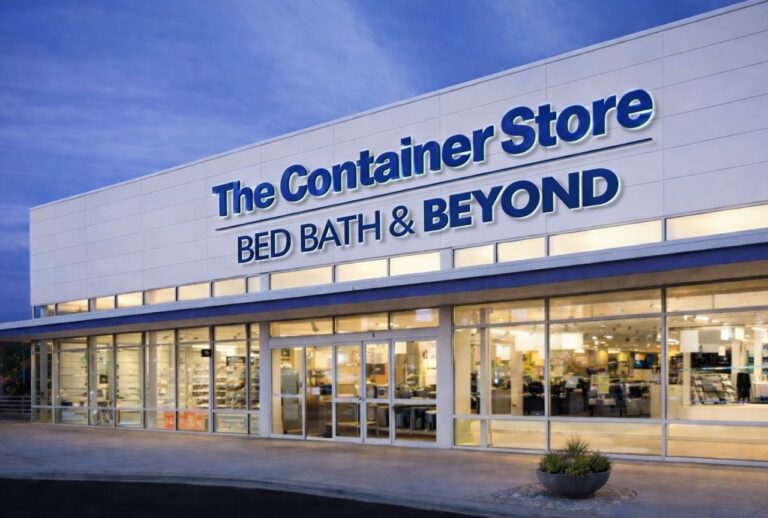
Physical stores still drive most retail sales, fulfill online orders, support AI shopping, and help brands return to market.
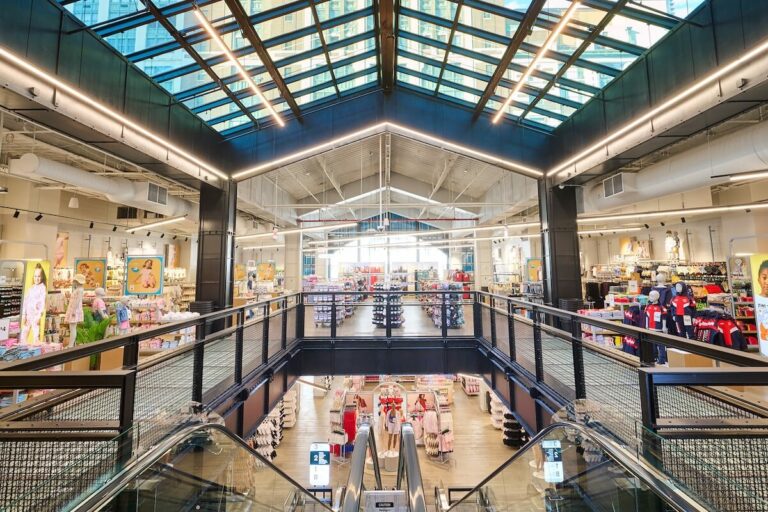
A practical guide to nine mall tenant formats in 2026, from flagships and pop-ups to anchor redevelopment and mixed-use retail.
1,051 of 1,173 US malls hold zero ultra-luxury brands. Half of all Cartier, Chanel, Hermès, and Louis Vuitton mall stores…
Every physical expansion decision starts with the same question: where does the store go?
Verified signals on brand expansion, store openings, and mall development. Free.
Free · No credit card · Unsubscribe any time
Billed annually · View full comparison · Payment via invoice or PayPal
