
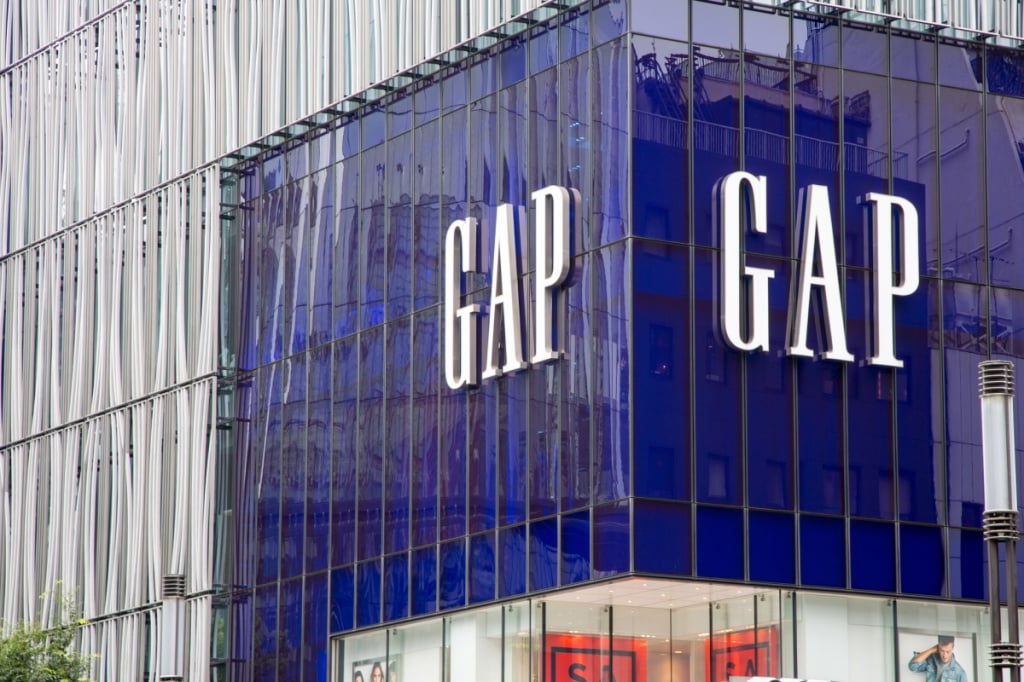
The photo in which the Gap logo was poorly synchronized caused indignation among users on social networks.
Gap has decided to delete one of its latest publications from its official Twitter account under pressure from customers and the public. It’s a photo of a Gap-style hoodie with the logo in red and blue colors.
The photo, in which the Gap logo was intentionally poorly synchronized, caused anger among social network users. The post quickly became viral, having collected more than 800,000 views in a short period. At the same time, most Gap customers called the new product “ugly,” CNBC.com writes. However, users’ resentment led to the exact political connotation of the post against the background of the country’s tense situation.
Gap’s photo referred to the ongoing presidential elections in the U.S. and uncertainty with the victory of one of the candidates. According to the author of the post, blue and red should symbolize the nation’s unity, for which Gap has remained one of the most popular brands for many years.
“The only thing we know is that together we can move forward,” the message said. Later, Gap’s press office noted that the publication wanted to demonstrate the power of unity, but “it appears to be too early for the post to be published.” The company stressed that it was still “optimistic that the country will unite to achieve positive change for all.
Photo credit: depositphotos.com.
Gross margins and selected profit metrics for Coach, Pop Mart, lululemon, Miniso, Five Below, TJX and Costco, plus where each…
NikeSKIMS, Birkenstock and Starbucks Reserve chose HKRI Taikoo Hui for major China debuts. Why the Shanghai complex keeps winning new…
Bluewater opens its first new anchor since 1999. Next takes the former House of Fraser space with about 132,000 square…
Opening in IMAX 70mm on July 17, 2026: Christopher Nolan's The Odyssey. Select shows went on sale one year in…
European retail is scaling AI, agentic commerce and retail media, but consumer trust is becoming the constraint. Four structural shifts…
Mall operators are no longer leasing space for pop-ups. They are selling audience access.
