
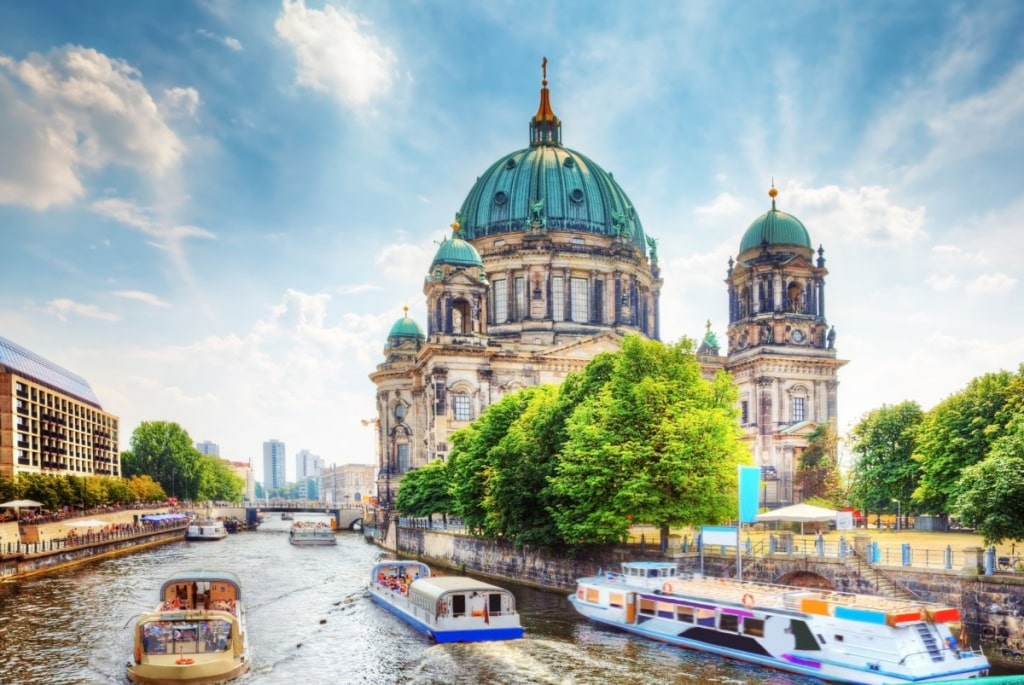
The authorities in the German capital tightened quarantine measures against the background of the problematic epidemiological situation.
Berlin authorities have imposed new quarantine measures amid a difficult epidemiological situation. Since March 31, 2021, the German capital city inhabitants have been banned from visiting non-food stores, beauty salons, and cultural and leisure institutions without a negative test for the virus. Earlier, major Austrian cities introduced similar measures.
According to RBC, the new restrictions apply to all formats except grocery stores, drugstores, bookstores, home improvement stores, and pet stores. Besides, visits to gas stations and services without a test are allowed.
Visiting museums, exhibitions, and other cultural institutions in Berlin is only possible by appointment. Since March 31, beauty salons, hair salons, and massage parlors have only served customers with negative tests.
Simultaneously, the city authorities decided to close entertainment institutions, including theaters and cinemas, amusement parks, casinos, and saunas, and cancel all formats’ entertainment events.
On March 23, German federal authorities announced a tightened quarantine and closure of hotels, non-food stores, and catering establishments over the Easter holiday period. Later, Chancellor Angela Merkel admitted that the decision was wrong and canceled these measures. At the same time, strict business restrictions have been in place in Germany since November 2020.
Photo credit: depositphotos.com.
Gross margins and selected profit metrics for Coach, Pop Mart, lululemon, Miniso, Five Below, TJX and Costco, plus where each…
NikeSKIMS, Birkenstock and Starbucks Reserve chose HKRI Taikoo Hui for major China debuts. Why the Shanghai complex keeps winning new…
Bluewater opens its first new anchor since 1999. Next takes the former House of Fraser space with about 132,000 square…
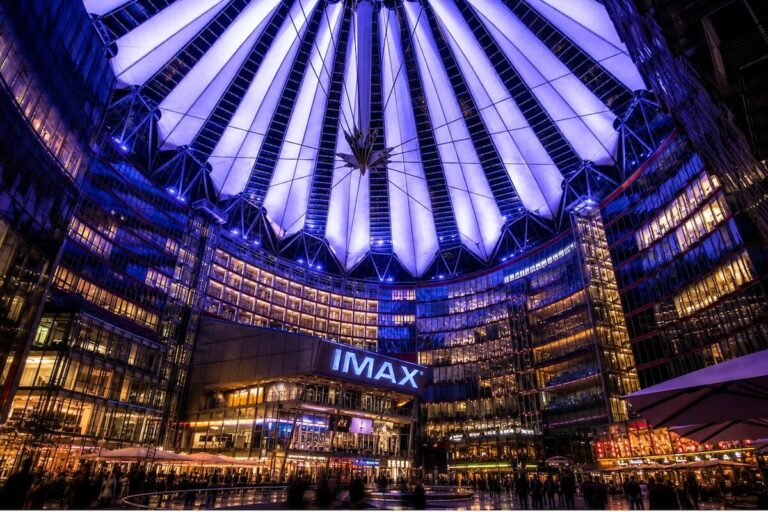
Opening in IMAX 70mm on July 17, 2026: Christopher Nolan's The Odyssey. Select shows went on sale one year in…

European retail is scaling AI, agentic commerce and retail media, but consumer trust is becoming the constraint. Four structural shifts…

Mall operators are no longer leasing space for pop-ups. They are selling audience access.
