

The tech giant is expanding delivery methods by using Apple Stores as shipping centers for orders.
For years, Apple retail stores have served partly as a showroom, partly as an educational center, and partly as a gathering place for Apple fans. They’ll also become delivery centers, from where products will be shipped to customers who order them.
According to the company itself, it simplifies the delivery procedure and makes it as safe as possible. For example, couriers can provide contactless delivery, with confirmation of receipt of the order by phone instead of a signature. Orders will be delivered within 2 hours, and the cost of such delivery will cost the buyer only $5 per order. The service is already available to residents of many major cities.
It’s another step by Apple to develop the capabilities of the Apple Store. First opened in 2001, these stores have only elicited skeptical sneers from critics. Today they are considered one of the most successful outlets in the world. It was achieved because the company did not just open stores famous, among other things, for their design. It continually expanded the list of options available to customers.
The onset of the coronavirus pandemic forced Apple to close Apple Stores around the world temporarily. In response, the company began to expand delivery options. It offered a new express store option explicitly designed for pre-ordered items.
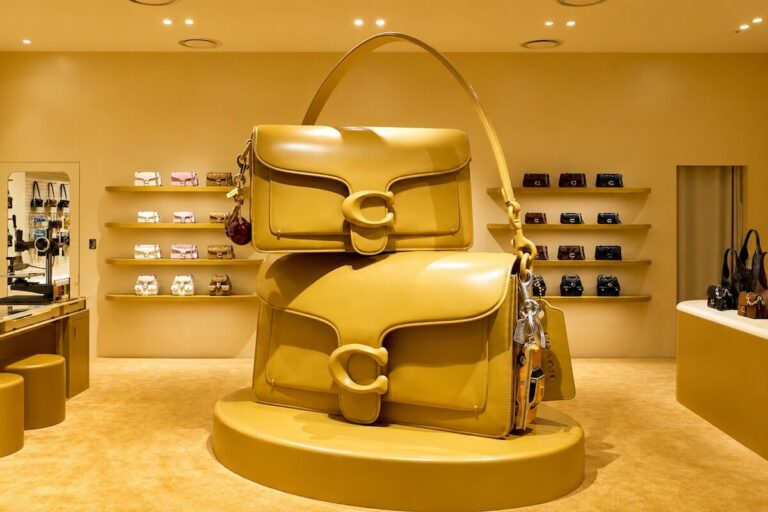
Gross margins and selected profit metrics for Coach, Pop Mart, lululemon, Miniso, Five Below, TJX and Costco, plus where each…
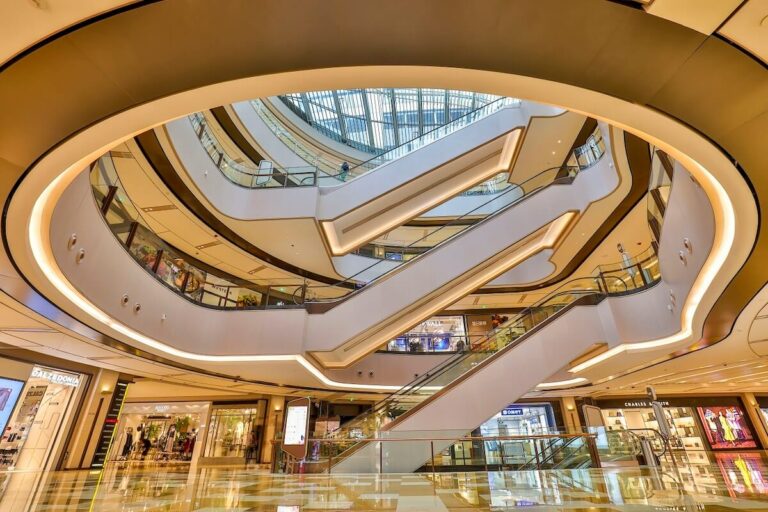
NikeSKIMS, Birkenstock and Starbucks Reserve chose HKRI Taikoo Hui for major China debuts. Why the Shanghai complex keeps winning new…
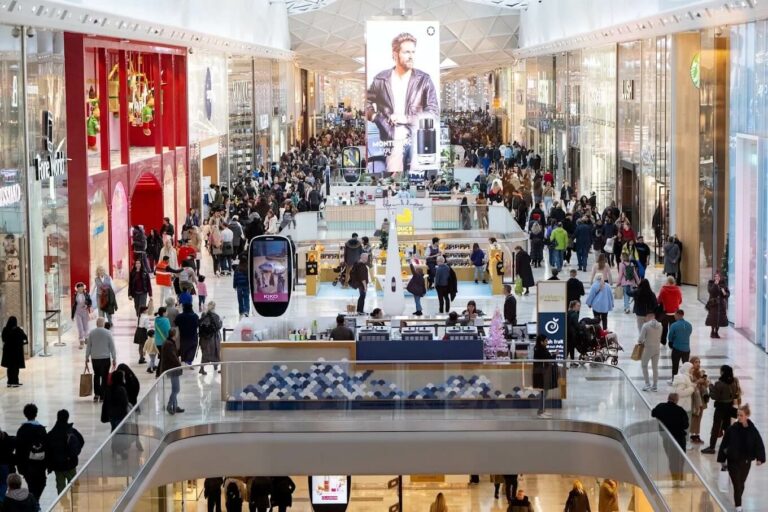
Bluewater opens its first new anchor since 1999. Next takes the former House of Fraser space with about 132,000 square…
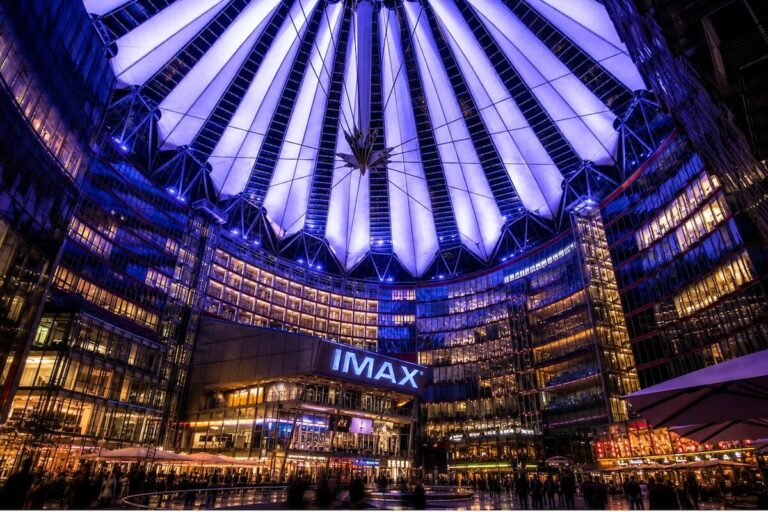
Opening in IMAX 70mm on July 17, 2026: Christopher Nolan's The Odyssey. Select shows went on sale one year in…

European retail is scaling AI, agentic commerce and retail media, but consumer trust is becoming the constraint. Four structural shifts…
Mall operators are no longer leasing space for pop-ups. They are selling audience access.
