

The manufacturer of products for tennis and basketball decided to take advantage of the growing interest in comfortable sportswear.
American sporting goods manufacturer Wilson Sporting Goods, known for its equipment for various sports, including badminton, tennis, basketball, etc., decided to enter a previously unfamiliar market. Wilson introduced its first line of sportswear and planned to become a sports lifestyle brand in this way.
By taking this step, the company expects high demand for such products. The market for comfortable and convenient clothing worn during sports activities and at home is snowballing now. Staying at home because of quarantine, customers tend to dress comfortably, literally sweeping off the shelves of sports pants and T-shirts.
The sporty and casual clothing will be available under the Wilson Sportswear brand. The first markets in which it will be presented steel the United States and China. If the beginning is successful, the brand will expand the geography of sales.
The first collection of the Wilson Sportswear brand will be available for buyers soon. The Starting Lineup includes essential sportswear for men and women, such as athletic shorts, joggers, t-shirts, and sweatshirts. The goods cost about $40 to $60 for a jersey, $100 for a sports jacket, and $70 for shorts.
The clothing assortment will be replenished twice a week to meet the needs of modern customers with their high demands. In the future, the company plans to attract famous athletes and use bright events in sports as inspiration for new collections, to which certain events will be dedicated.
In addition to launching the apparel brand, Wilson also plans to open its first branded retail stores in 2021, strengthening the sales route directly to customers, bypassing intermediaries. For now, the new collection will be available on the company’s website in the U.S., while in China, it will be available through WeChat and websites of other major brands.
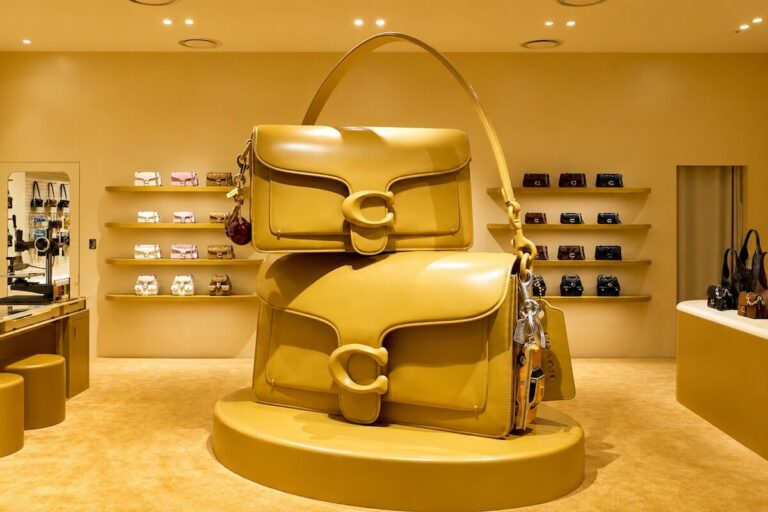
Gross margins and selected profit metrics for Coach, Pop Mart, lululemon, Miniso, Five Below, TJX and Costco, plus where each…
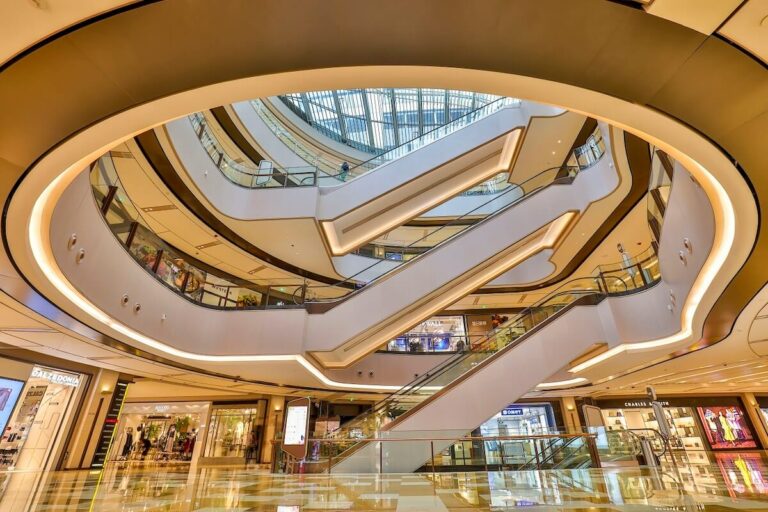
NikeSKIMS, Birkenstock and Starbucks Reserve chose HKRI Taikoo Hui for major China debuts. Why the Shanghai complex keeps winning new…
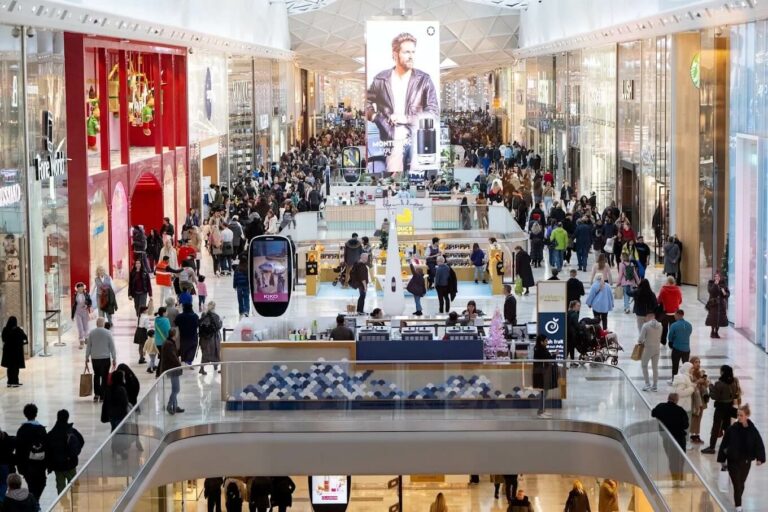
Bluewater opens its first new anchor since 1999. Next takes the former House of Fraser space with about 132,000 square…

Opening in IMAX 70mm on July 17, 2026: Christopher Nolan's The Odyssey. Select shows went on sale one year in…

European retail is scaling AI, agentic commerce and retail media, but consumer trust is becoming the constraint. Four structural shifts…
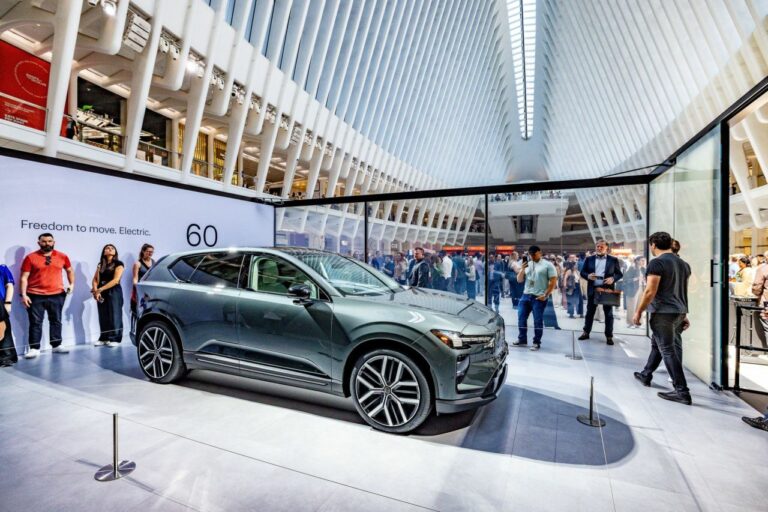
Mall operators are no longer leasing space for pop-ups. They are selling audience access.
