
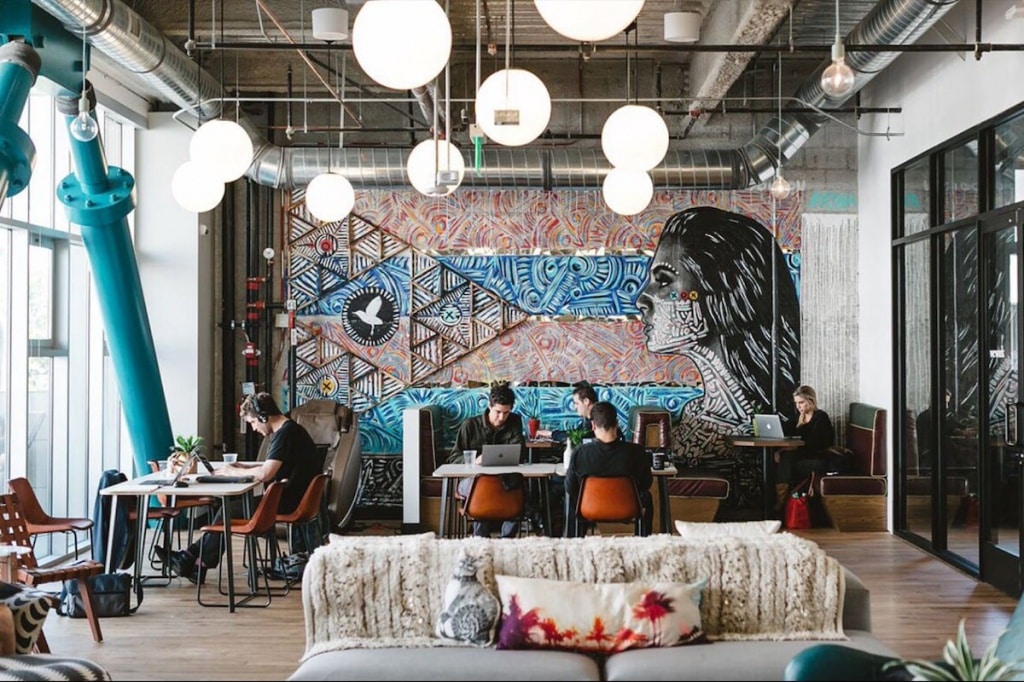
The WeWork network of coworkers has started offering tenants to halve their rents, provided they sign a lease agreement for several months.
In this way, the company aims to minimize the loss of customers who choose to pay monthly rent. According to some reports, WeWork has a quarter of the total number of such tenants. It is highly likely that during the Coronavirus Pandemic, they would prefer to give up their leases altogether.
It was reported by Bloomberg publishing house, which cites some of its sources. It is stated that the WeWork network has always been willing to offer discounts to customers. In these challenging times of the Coronavirus pandemic, this New York City startup is ready to make even more concessions. True, it’s not clear how active the company will be in offering a double reduction in exchange for a long lease.
The COVID-19 Coronavirus Pandemic is keeping many people at home, which is taking a heavy toll on office property owners. Although most WeWork locations remain open, last week, the company announced that it no longer expects to meet its earlier financial targets for 2020. To reduce costs, the company has already laid off 250 employees. WeWork representatives declined to make any comments.
Earlier, the massive cuts were also announced by the U.S. company Knotel Inc., which also works in the field of office property rent and is a competitor to WeWork. The attendance of coworking around the world has fallen significantly. Thus, according to information from representatives of the business, the decline in the largest cities of the world was 75-90%.
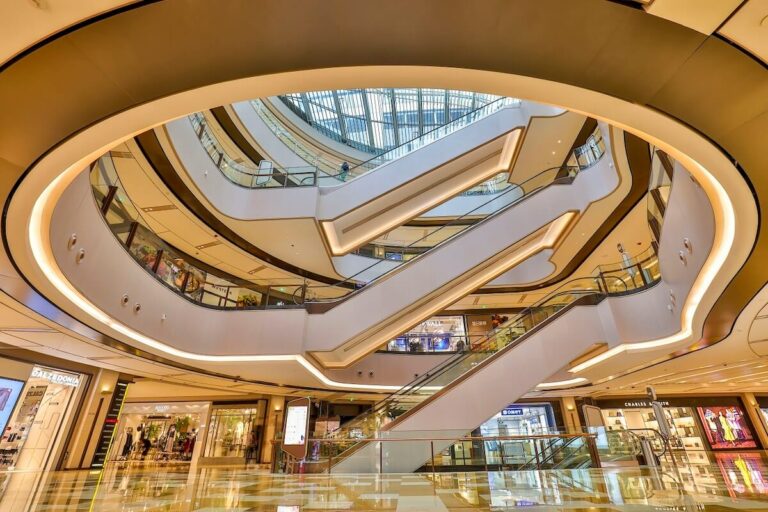
NikeSKIMS, Birkenstock and Starbucks Reserve chose HKRI Taikoo Hui for major China debuts. Why the Shanghai complex keeps winning new…
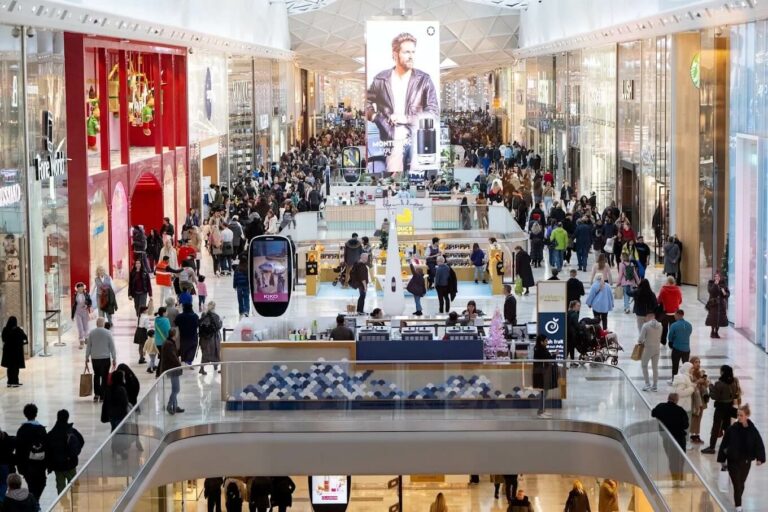
Bluewater opens its first new anchor since 1999. Next takes the former House of Fraser space with about 132,000 square…

Opening in IMAX 70mm on July 17, 2026: Christopher Nolan's The Odyssey. Select shows went on sale one year in…

European retail is scaling AI, agentic commerce and retail media, but consumer trust is becoming the constraint. Four structural shifts…

Mall operators are no longer leasing space for pop-ups. They are selling audience access.
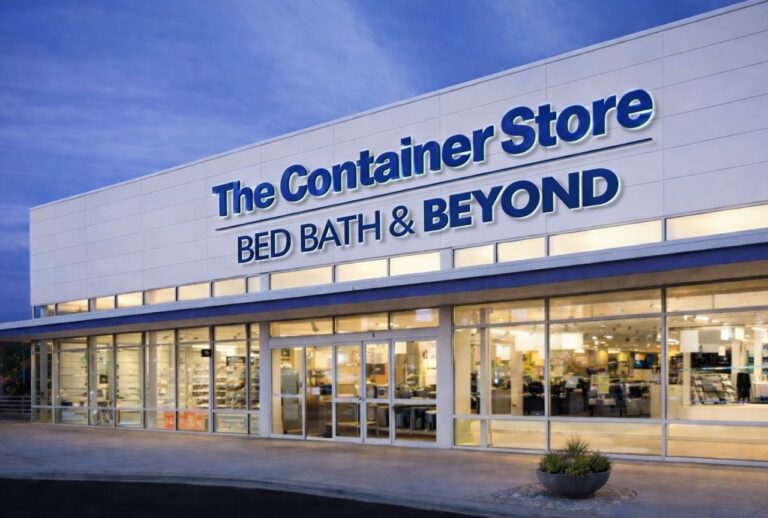
Physical stores still drive most retail sales, fulfill online orders, support AI shopping, and help brands return to market.
