
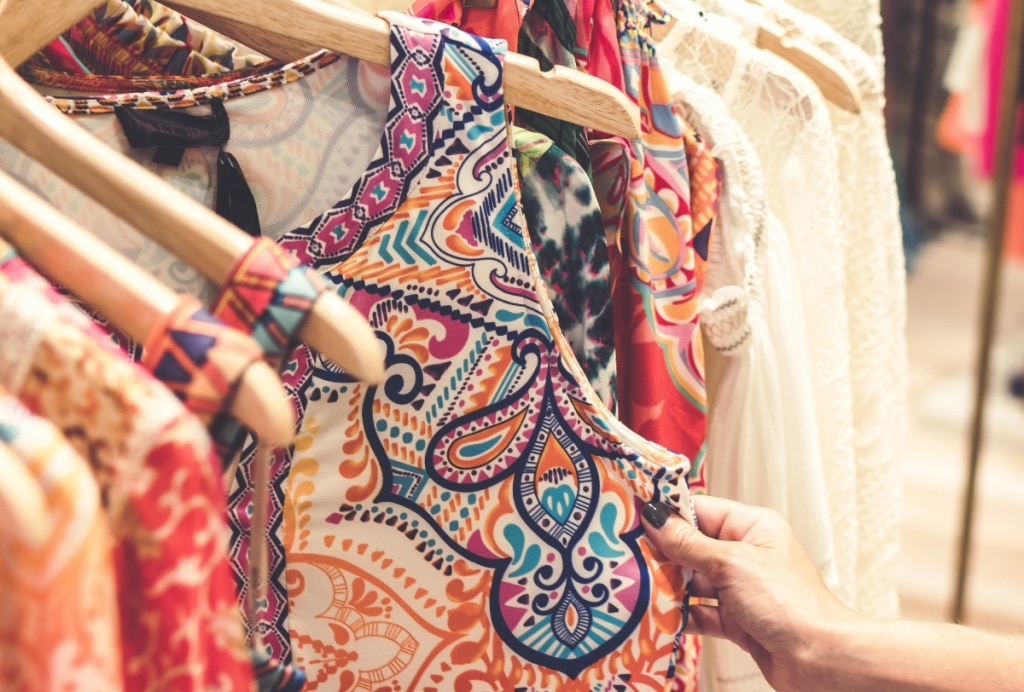
The retailer’s trademark will be called Free Assembly, under which customers will be able to buy clothes for both men and women.
The retail sector’s development has undergone significant changes due to the pandemic, and the focus of most companies has shifted to online trading. As part of the e-commerce industry, Walmart is striving to expand its range of fashion-focused products.
Goods under the Free Assembly brand will be sold in 250 physical Walmart stores and on the retailer’s website. Sales will begin this week. It is the first Walmart brand to offer men’s clothing, and models for women will also be presented. As for children’s clothing and a variety of accessories, such products will be included in the brand’s range in the future. The cost of individual models of the clothes from the Free Assembly’s Autumn collection varies from $9 to $45.
According to the company’s representatives, buyers will appreciate the opportunity to buy clothes simultaneously with products and other prime necessity goods. Convenience for shopping in one place will be one of Walmart’s main advantages with the launch of its own brand.
It has also been noted that the criteria used by buyers in this situation have significantly changed. Suits for offices have lost their relevance, but convenience and comfort in clothes have become more critical than ever. Also, for many buyers, the price issue is that they would prefer inexpensive uniforms in a style that will not go out of fashion for a long time. All these trends and will be used in the creation of the Free Assembly collections.
An important factor in the success of new brands may be that many fashion retailers lose their positions or even stop working due to the crisis. Walmart can capture the free market share and significantly strengthen its position.
Physical stores still drive most retail sales, fulfill online orders, support AI shopping, and help brands return to market.
A practical guide to nine mall tenant formats in 2026, from flagships and pop-ups to anchor redevelopment and mixed-use retail.
1,051 of 1,173 US malls hold zero ultra-luxury brands. Half of all Cartier, Chanel, Hermès, and Louis Vuitton mall stores…
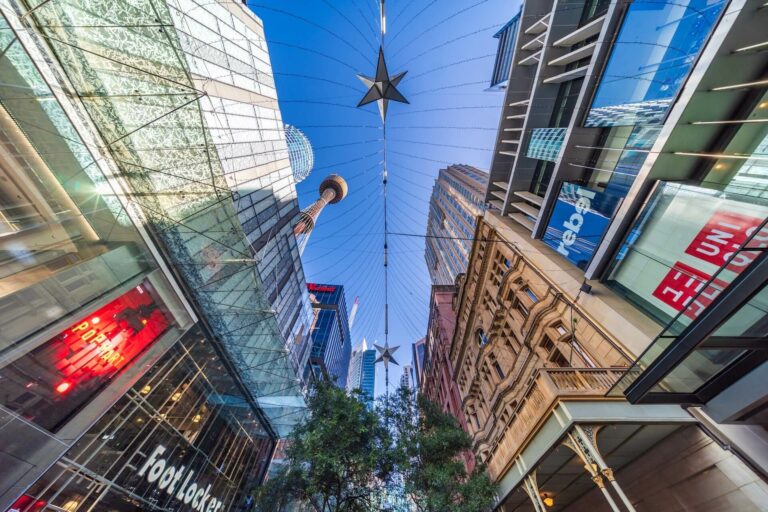
Every physical expansion decision starts with the same question: where does the store go?
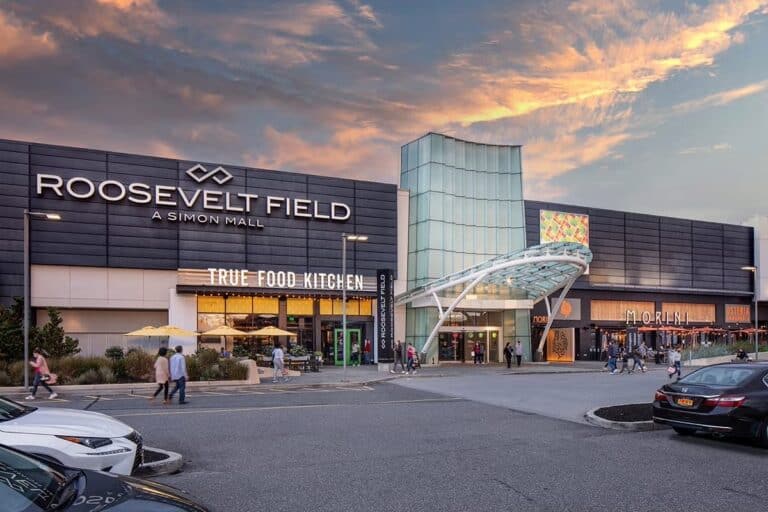
900 malls remain in the United States. The top 100 account for half the sector's value.
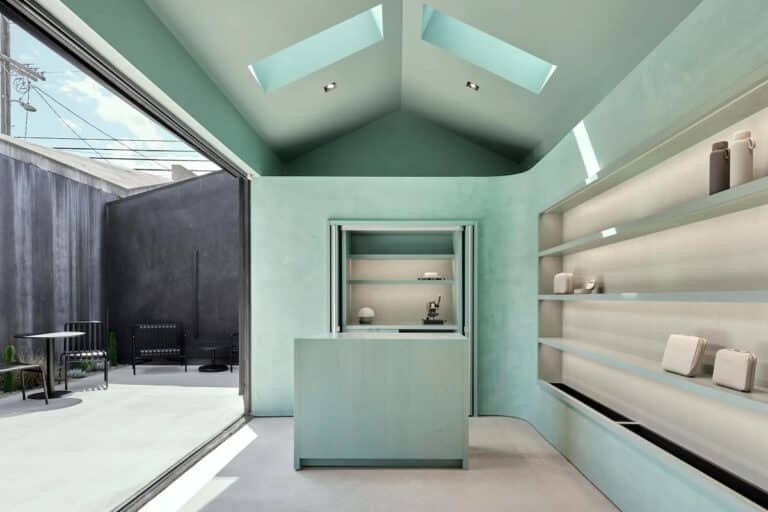
57 verified brand expansion signals. 25+ markets. Seven archetypes. One structural pattern.
Verified signals on brand expansion, store openings, and mall development. Free.
Free · No credit card · Unsubscribe any time
Billed annually · View full comparison · Payment via invoice or PayPal
