
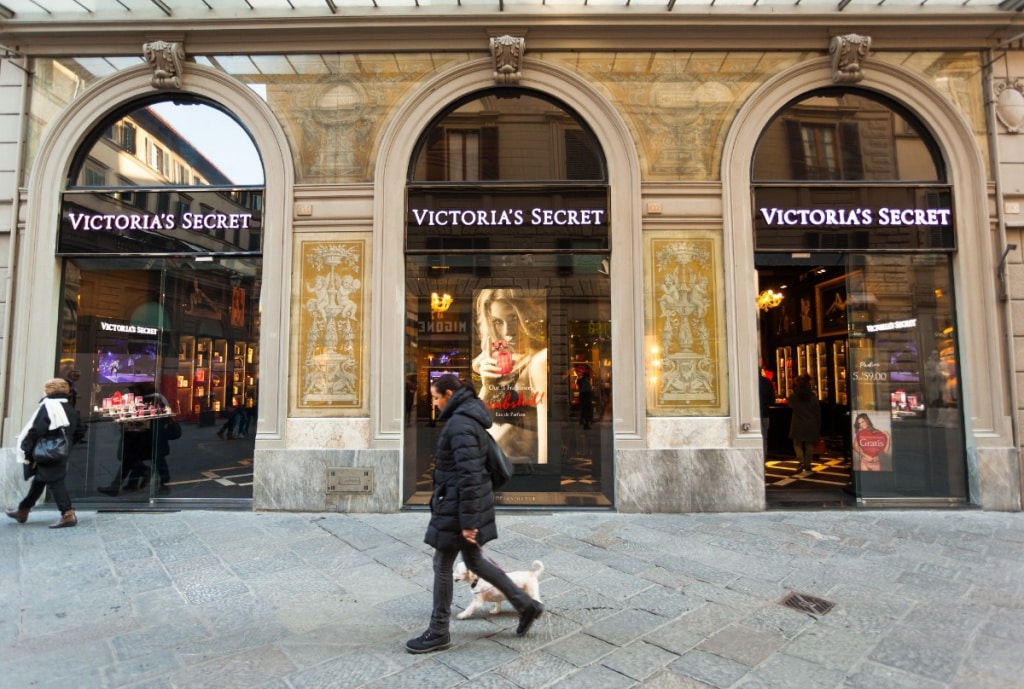
L Brands does not intend to sell its women’s lingerie brand Victoria’s Secret and separate it into a separate public company.
The parent company split will result in the addition of another L Brands brand, Bath & Body Works, becoming a separate business. It will presumably happen in August of this year.
The companies will be separated by a proportional distribution among the shareholders of L Brands’ ordinary shares of the newly formed business. The new company will include Victoria’s Secret Lingerie, PINK, and Victoria’s Secret Beauty. The head of the company will be Martin Waters, its current CEO.
A possible division of Victoria’s Secret was reported by L Brands as early as last year. The possibility of selling the brand to a private investor was also considered. According to The New York Times, L Brands has received many offers from investors worth more than three billion dollars.
However, the company did not agree to the deal because it intends to have a valuation in the neighborhood of five to seven billion dollars. Analysts at Citigroup previously valued Victoria’s Secret as a separate company at five billion dollars, Wells Fargo and Credit Suisse at more than four billion dollars.
“The spin-off will provide more value to shareholders than its sale,” the press release about Victoria’s Secret’s upcoming spin-off noted. A recent agreement between L Brands and investment firm Sycamore Partners valued Victoria’s Secret brand at $1.1 billion. It was announced last February.
During the pandemic, Victoria’s Secret sales declined dramatically. After branded stores closed and sales fell, Sycamore Partners sued L Brands, intending to pull out of the deal. L Brands, in turn, filed a countersuit, seeking to enforce the terms of the agreements. As a result, the contract was terminated last May.
Gross margins and selected profit metrics for Coach, Pop Mart, lululemon, Miniso, Five Below, TJX and Costco, plus where each…
NikeSKIMS, Birkenstock and Starbucks Reserve chose HKRI Taikoo Hui for major China debuts. Why the Shanghai complex keeps winning new…
Bluewater opens its first new anchor since 1999. Next takes the former House of Fraser space with about 132,000 square…
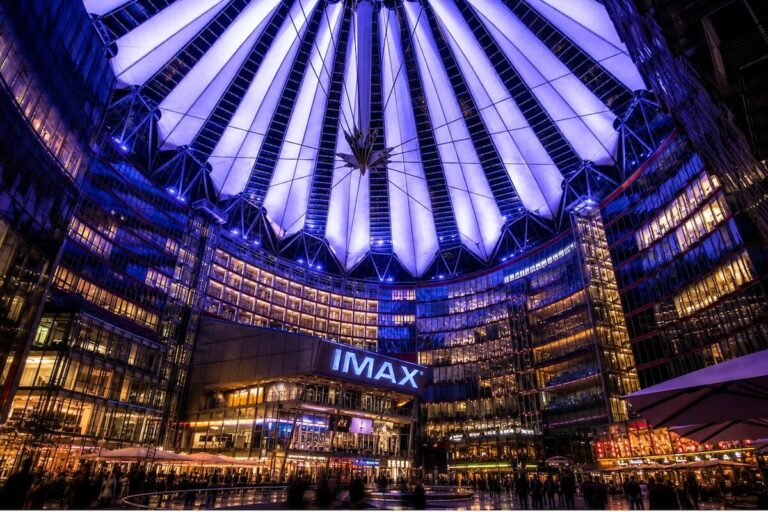
Opening in IMAX 70mm on July 17, 2026: Christopher Nolan's The Odyssey. Select shows went on sale one year in…
European retail is scaling AI, agentic commerce and retail media, but consumer trust is becoming the constraint. Four structural shifts…
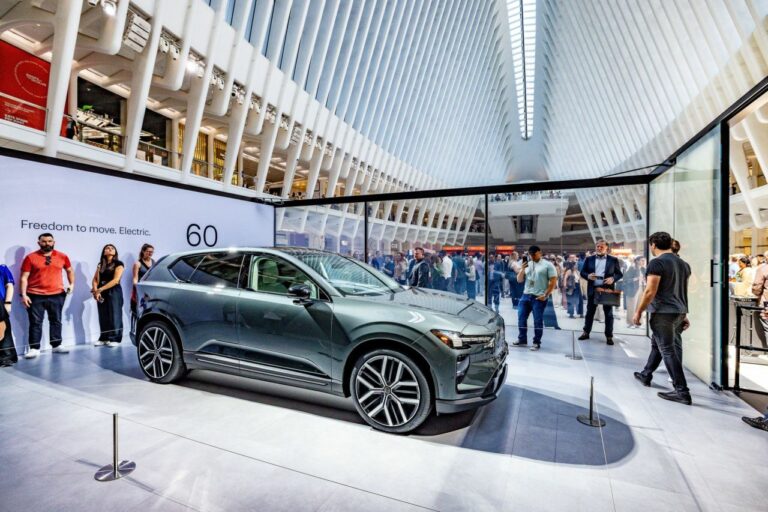
Mall operators are no longer leasing space for pop-ups. They are selling audience access.
