

A mall owner has sued Victoria’s Secret, saying the company closed the store without paying rent.
The problems of the famous brand of women’s underwear began long enough. The pandemic coronavirus only exacerbated them, forcing the company’s management to take extreme measures and save money. In particular, a massive closure of stores and layoffs began.
It has now become known that the company has left one of its stores in Westfield’s World Trade Center in midtown Manhattan refusing to pay off rental debt. In this case, Victoria’s Secret referred to the clause in the contract. The tenant has the right to terminate the agreement prematurely if the landlord cannot keep 75% of the stores in the mall open and working for more than 12 consecutive months.
As a result, the mall owner sued the company. According to Business Insider, the lawsuit says there were no violations of the said clause, and therefore the retailer “had no right” to terminate the lease. Westfield estimates his losses at $30 million, which he is now seeking through the courts.
Representatives from Victoria’s Secret refused to comment on the situation.
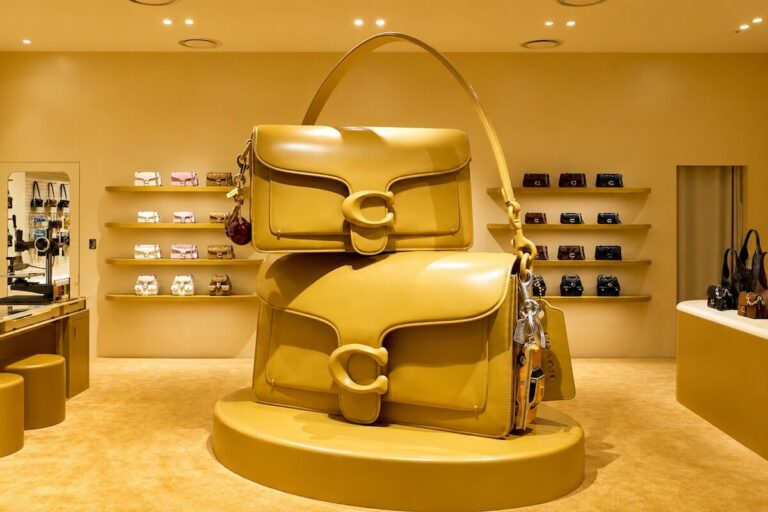
Gross margins and selected profit metrics for Coach, Pop Mart, lululemon, Miniso, Five Below, TJX and Costco, plus where each…
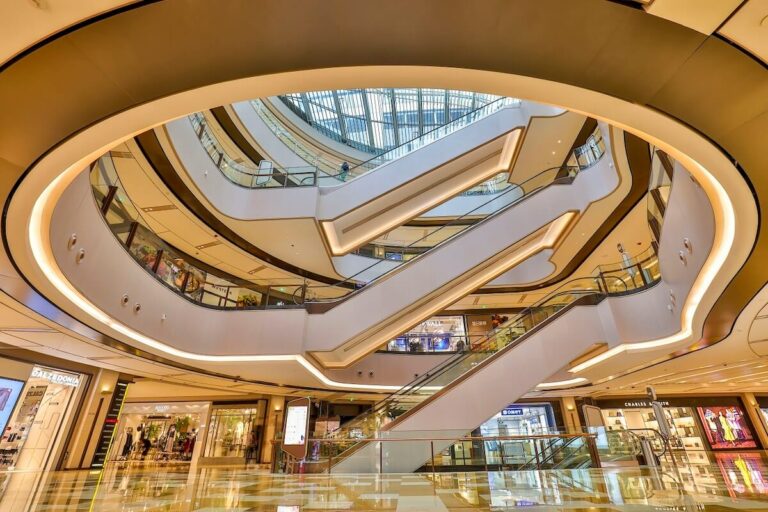
NikeSKIMS, Birkenstock and Starbucks Reserve chose HKRI Taikoo Hui for major China debuts. Why the Shanghai complex keeps winning new…
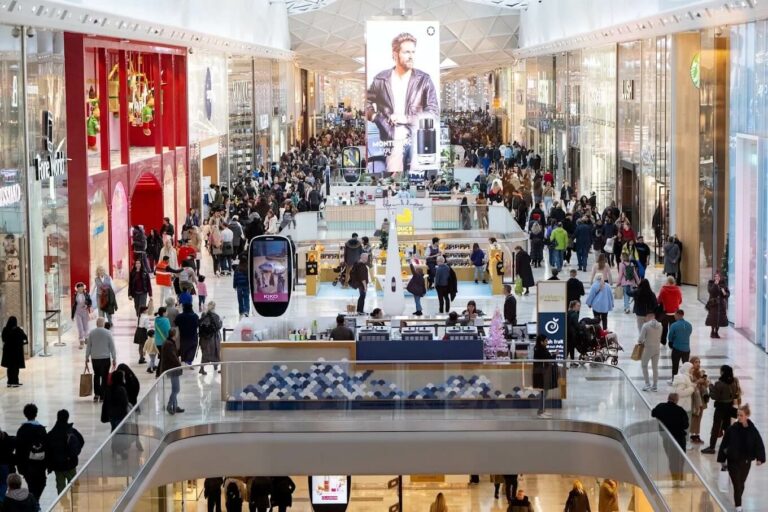
Bluewater opens its first new anchor since 1999. Next takes the former House of Fraser space with about 132,000 square…
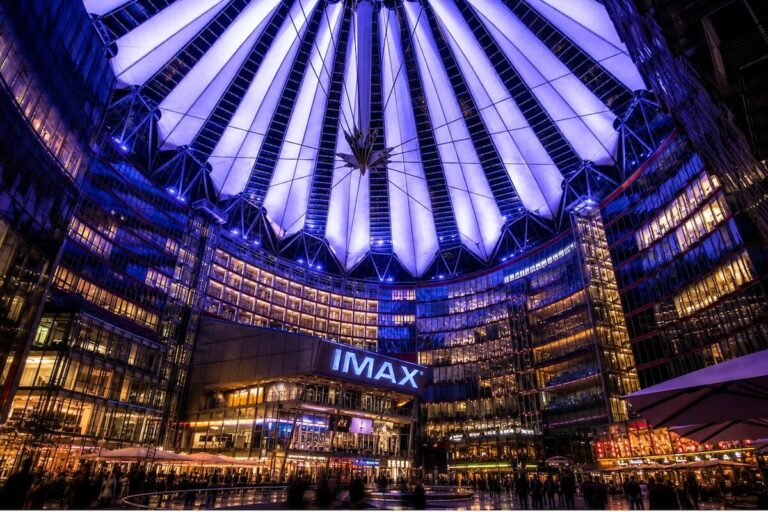
Opening in IMAX 70mm on July 17, 2026: Christopher Nolan's The Odyssey. Select shows went on sale one year in…

European retail is scaling AI, agentic commerce and retail media, but consumer trust is becoming the constraint. Four structural shifts…

Mall operators are no longer leasing space for pop-ups. They are selling audience access.
