
The company has enlisted Goldman Sachs to assist in reviewing its portfolio.
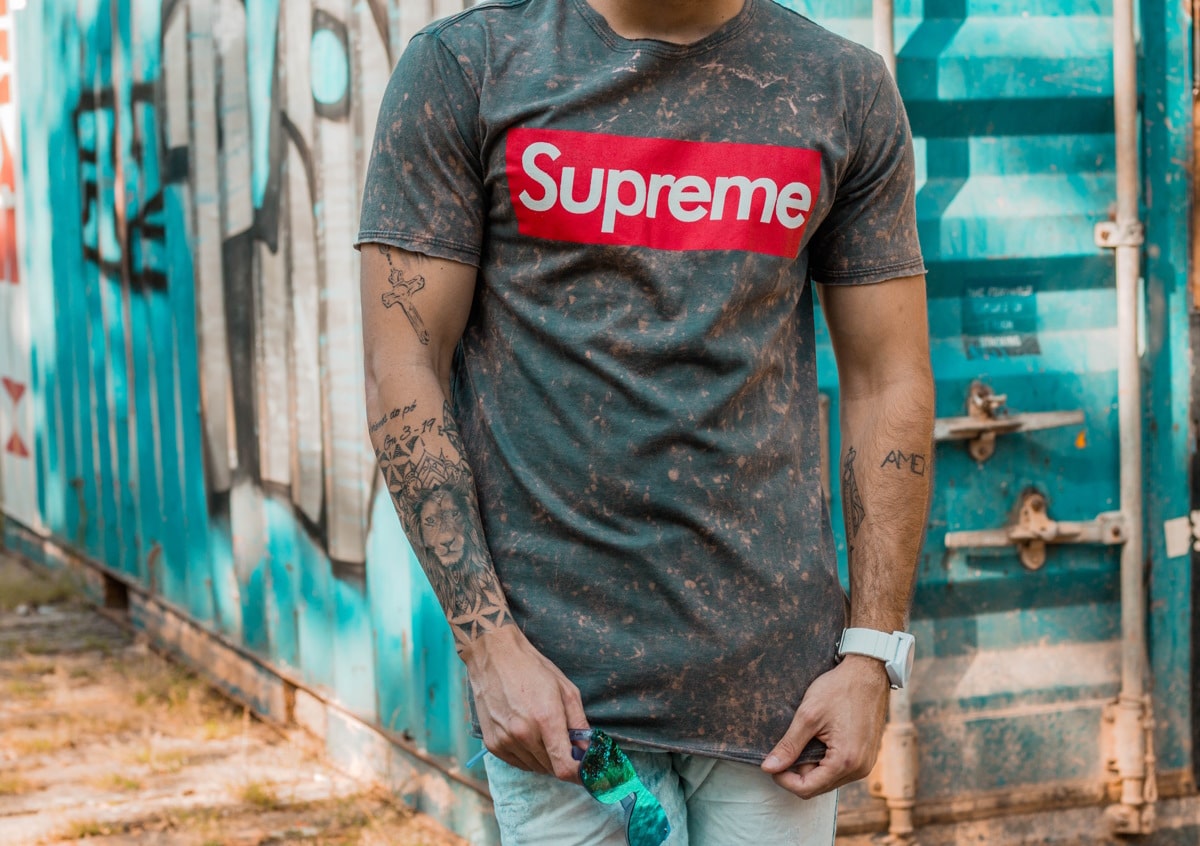
Supreme, the luxury streetwear brand, may soon be on the market as VF Corporation explores selling it off. Reports from WWD indicate that VF Corporation, which acquired Supreme for $1.2 billion USD in 2020, is now seeking potential buyers. The company has enlisted Goldman Sachs to assist in reviewing its portfolio.
Background and market speculation
This potential sale aligns with VF Corp.’s long-standing strategy of spinning off parts of its portfolio. While Supreme was not initially a specific target, recent evaluations suggest it might no longer fit VF Corp.’s forward-moving vision. A spokesperson from VF Corp. stated, “As a matter of policy, we don’t comment on market rumors or speculation,” and Goldman Sachs has also declined to comment.
Supreme’s market position and challenges
Supreme has long held a significant position in the high streetwear market. In 2017, private equity firm Carlyle invested in Supreme, valuing it at $1 billion USD. The subsequent sale to VF Corp. doubled that valuation, putting Supreme at the forefront of cultural buzz. However, its perceived coolness has waned, with an investment banker noting, “The brand got too big to continue to be cool.”
Recent years have seen Supreme face various challenges, including supply chain issues in 2022 and the controversial departure of ex-creative director Tremaine Emory due to alleged “system racial issues.”
Continued global expansion
Despite these challenges, Supreme continues to expand globally, with new store openings in Seoul and Shanghai. VF Corp., which reports annual sales of almost $11 billion USD, owns a diverse range of brands including Vans, Timberland, The North Face, and Dickies. The company has been actively trimming its portfolio under new CEO Bracken Darrell, aiming to focus on core assets that align with its strategic goals.
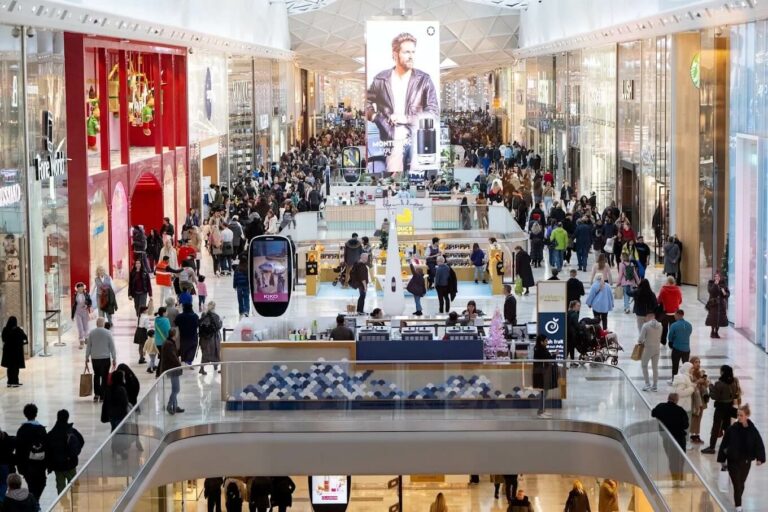
Bluewater opens its first new anchor since 1999. Next takes the former House of Fraser space with about 132,000 square…
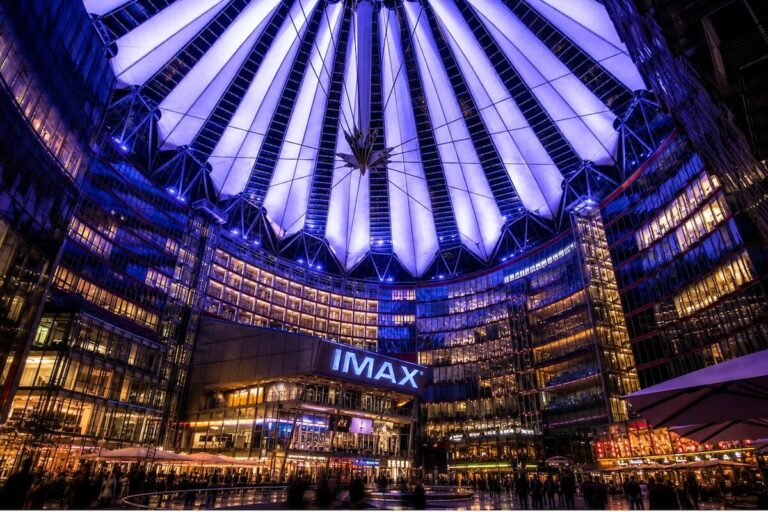
Opening in IMAX 70mm on July 17, 2026: Christopher Nolan's The Odyssey. Select shows went on sale one year in…

European retail is scaling AI, agentic commerce and retail media, but consumer trust is becoming the constraint. Four structural shifts…
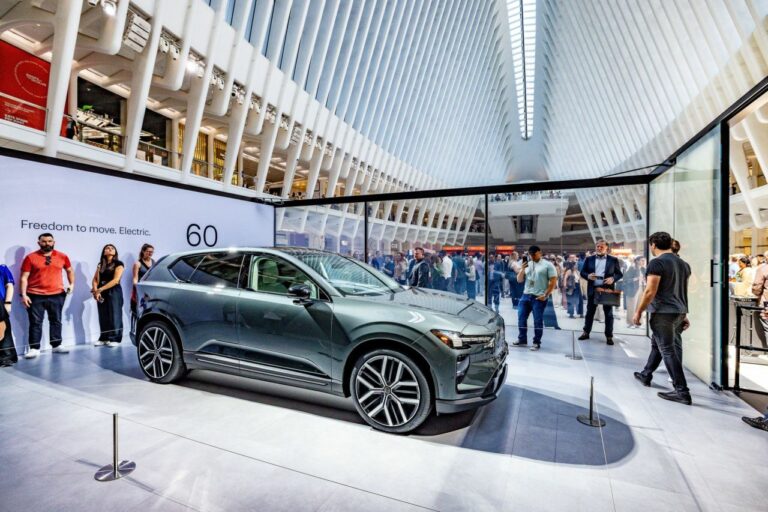
Mall operators are no longer leasing space for pop-ups. They are selling audience access.
Physical stores still drive most retail sales, fulfill online orders, support AI shopping, and help brands return to market.
A practical guide to nine mall tenant formats in 2026, from flagships and pop-ups to anchor redevelopment and mixed-use retail.
Verified signals on brand expansion, store openings, and mall development. Free.
Free · No credit card · Unsubscribe any time
