

Due to the coronavirus pandemic, the growth rate of e-commerce in the U.S. market has moved two years ahead at once.
Today, online commerce is growing worldwide — and at a breakneck pace. By the end of the third quarter of 2020, Internet sales in the U.S. are already reaching levels previously expected no earlier than 2022.
According to Insider Intelligence Research forecasts, the volume of e-commerce sales in the U.S. by 2020 will reach $794.50 billion. It is 32.4% more than in 2019. Previously predicted growth in online commerce by about 18% in the second quarter. Still, because buyers have massively switched to online shopping, there is a real surge in this area. E-commerce sales are projected to reach 14.4% of all U.S. retail spending this year and 19.2% by 2024.
Growth was expected in demand for life-saving goods, like food and necessities. The dynamics of online sales in categories such as consumer electronics and interior furnishings were unpredictable. Due to a completely different lifestyle for consumers during the pandemic, their online shopping approach also changed significantly.
The growth of the online commerce market is also known to be a sign that the largest players will further strengthen its position. The ten largest companies, including Amazon, Walmart, and Best Buy, will grow. According to forecasts, the top ten will take 63.2% of the total market for online sales at the end of the year, 57.9% more than in 2019.

Gross margins and selected profit metrics for Coach, Pop Mart, lululemon, Miniso, Five Below, TJX and Costco, plus where each…

NikeSKIMS, Birkenstock and Starbucks Reserve chose HKRI Taikoo Hui for major China debuts. Why the Shanghai complex keeps winning new…
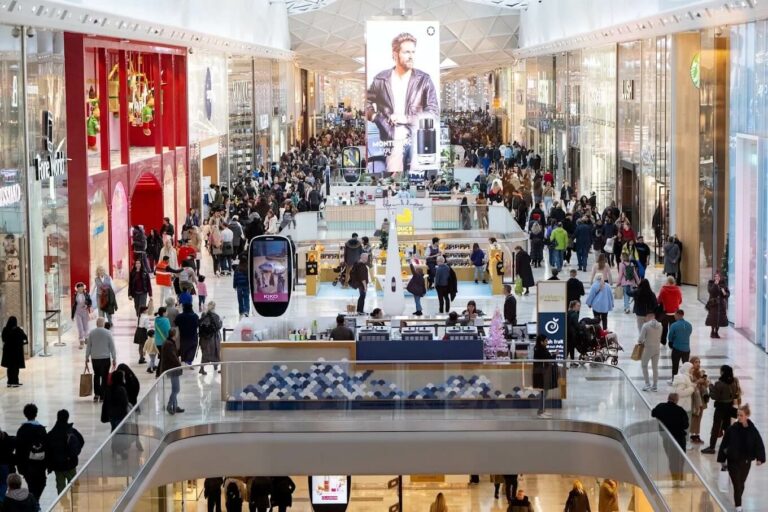
Bluewater opens its first new anchor since 1999. Next takes the former House of Fraser space with about 132,000 square…

Opening in IMAX 70mm on July 17, 2026: Christopher Nolan's The Odyssey. Select shows went on sale one year in…

European retail is scaling AI, agentic commerce and retail media, but consumer trust is becoming the constraint. Four structural shifts…

Mall operators are no longer leasing space for pop-ups. They are selling audience access.
